-
Twin Cities Musky Fishing Report | October 26th 2026
Oct 27, 2026
Twin Cities Musky Fishing Report – Late October 2026
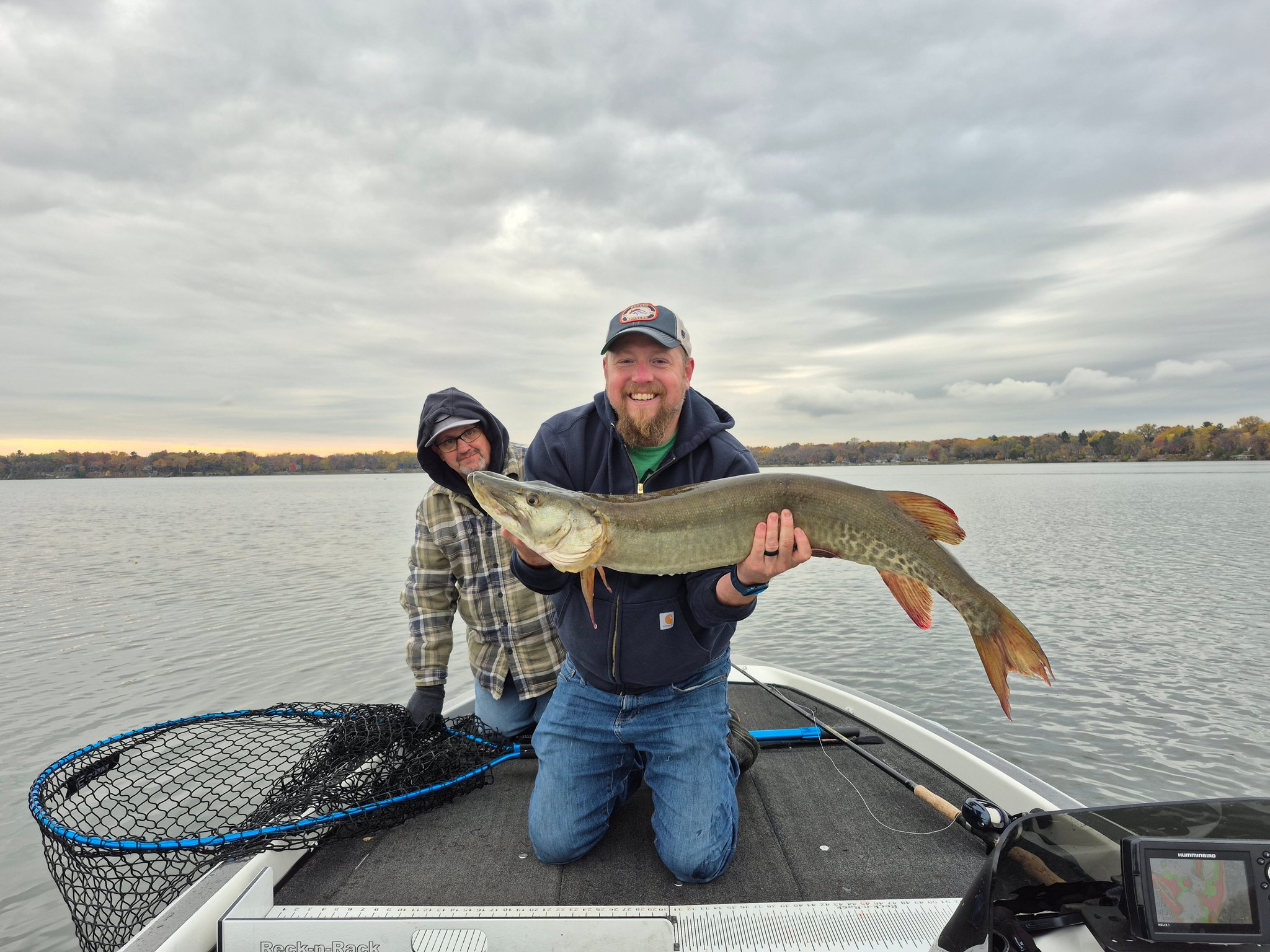
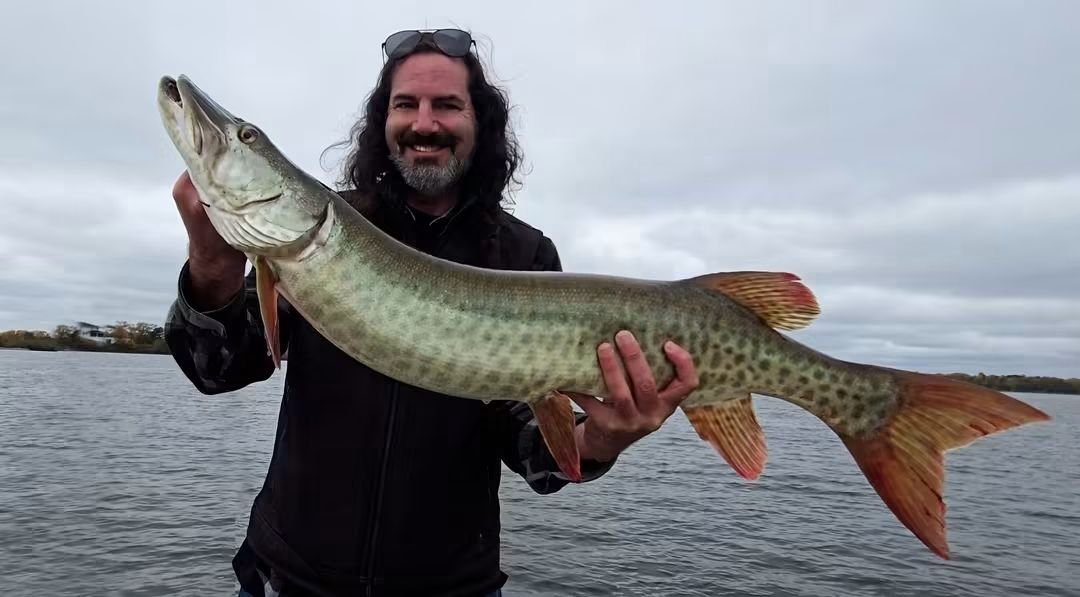
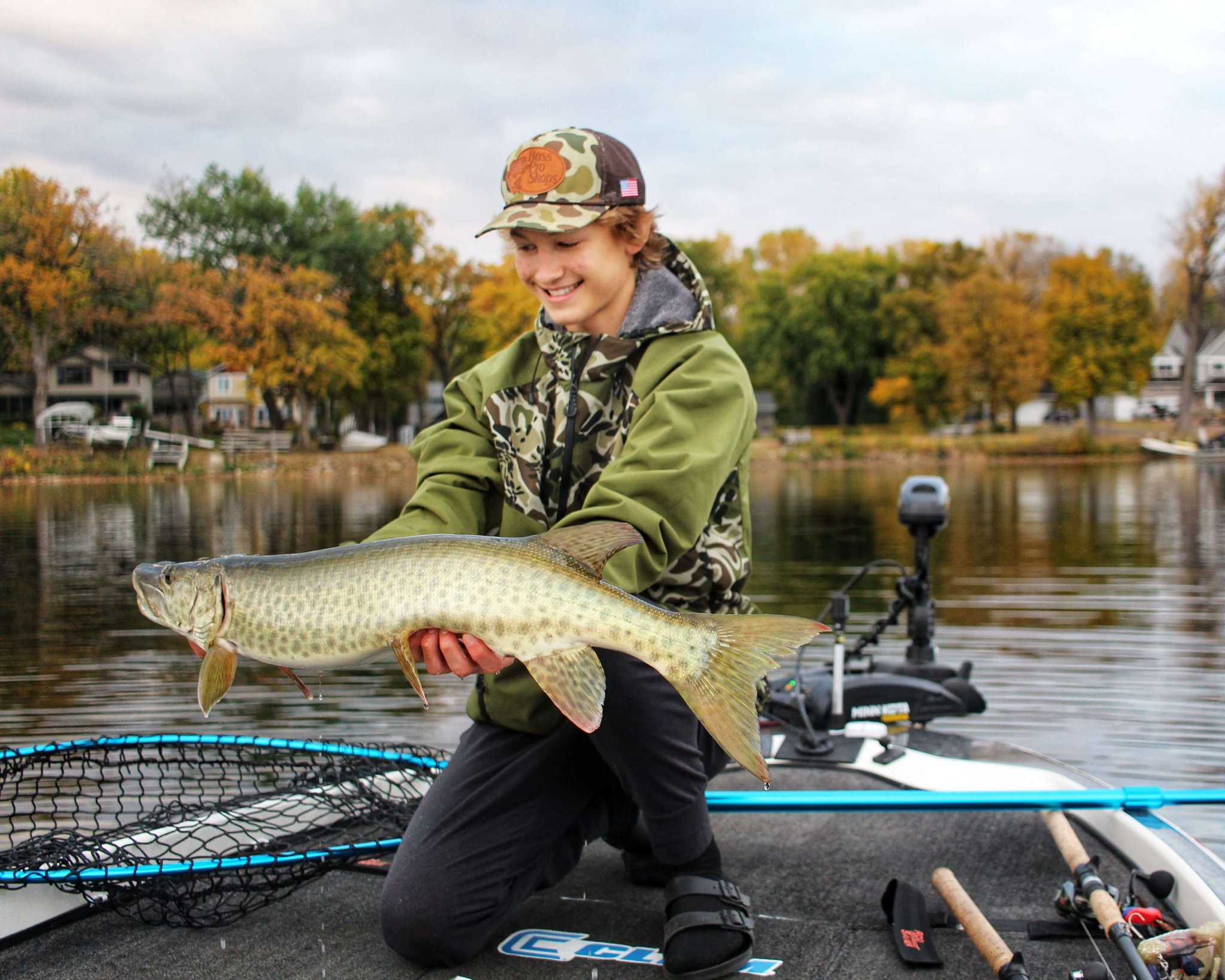
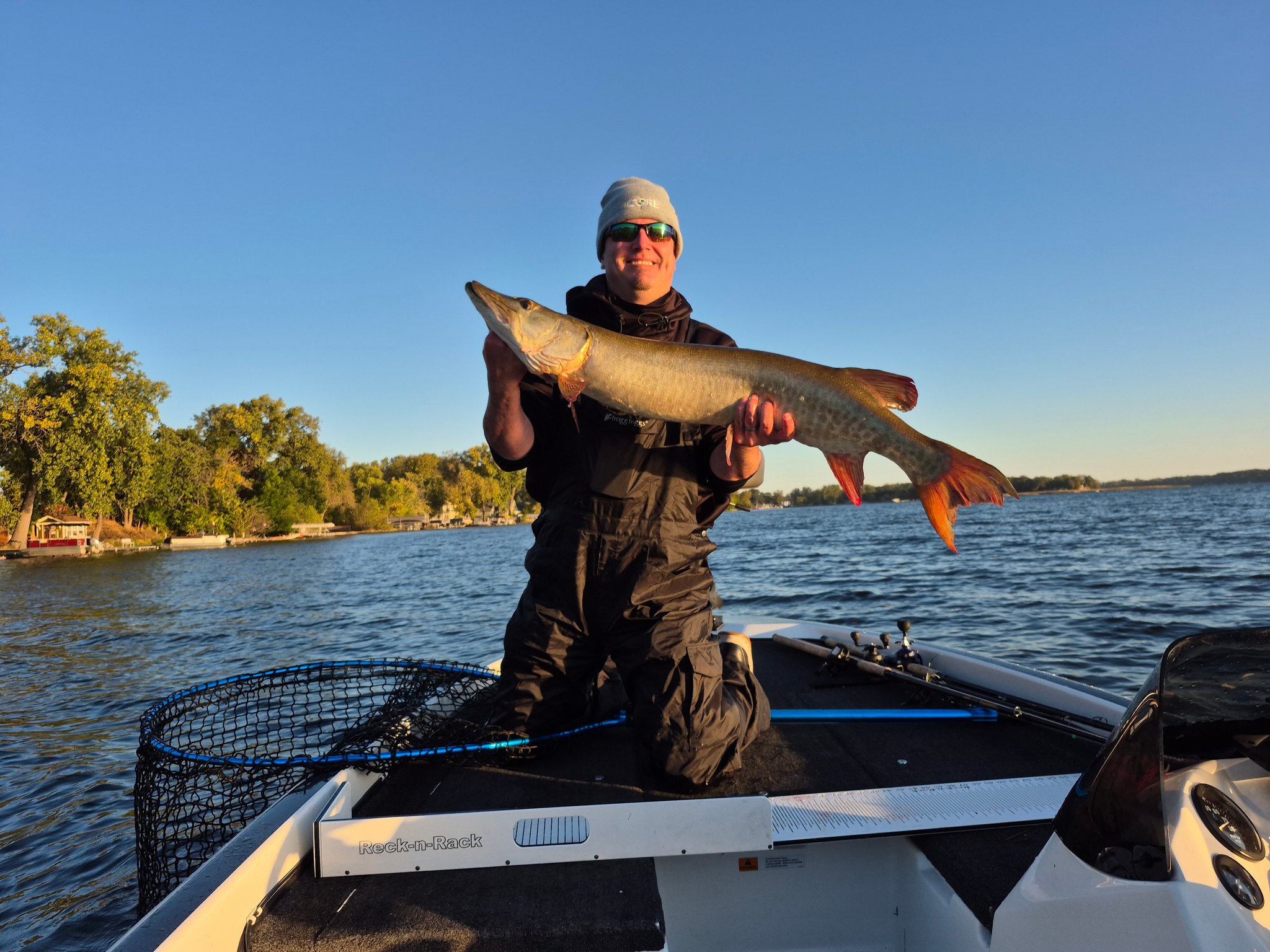
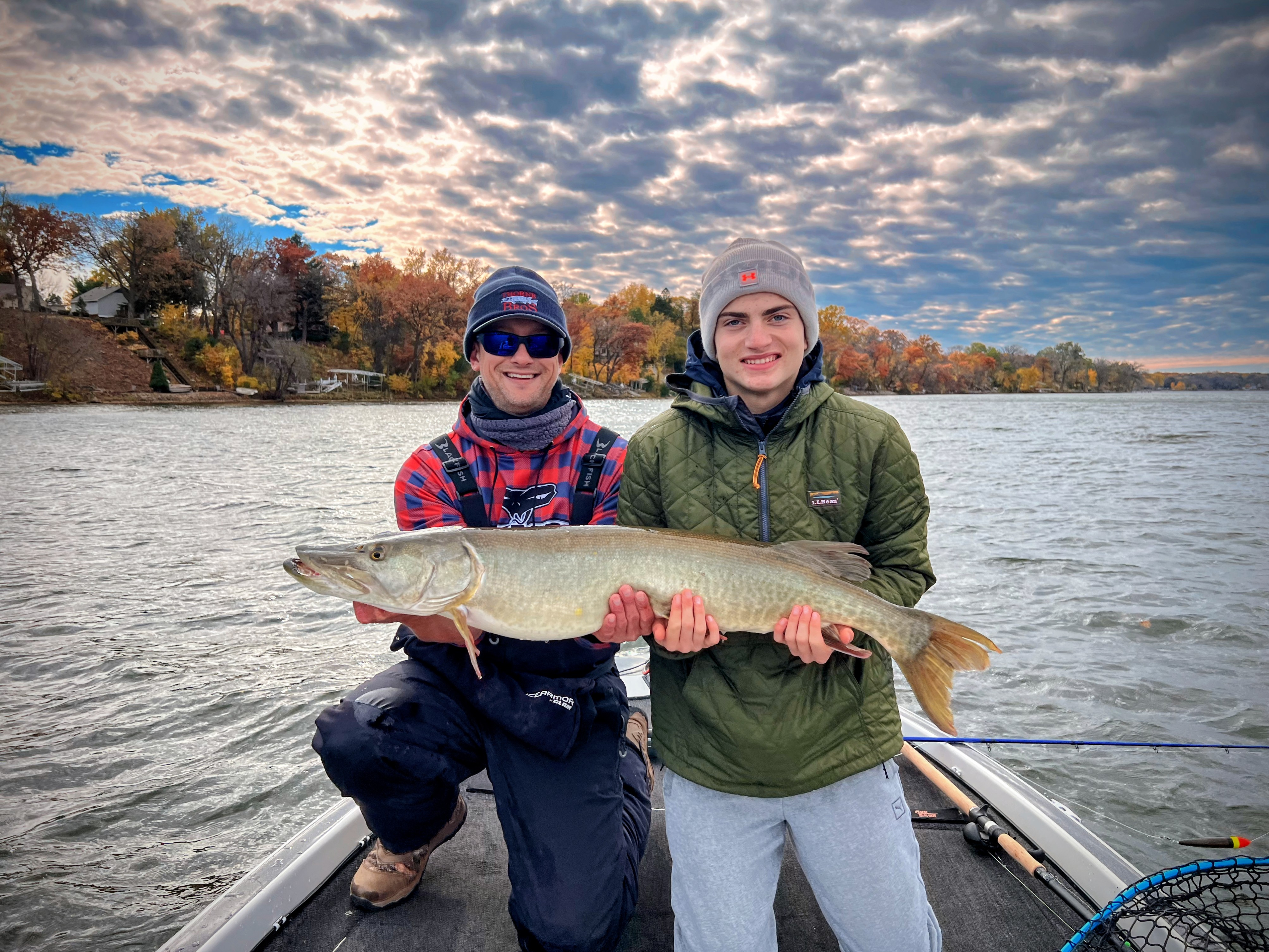
Late October musky fishing in the Twin Cities metro is bringing some of the best opportunities of the fall season. Water temperatures are still hovering around 57 degrees, and muskies are continuing to show up in the 6–8 foot range. A major cold front accompanied by heavy rain is moving through the area, but the late-fall bite is gaining momentum, especially with glide baits and suckers.
Twin Cities Metro Musky Fishing Report
Glide baits are continuing to produce muskies across the Twin Cities metro, making them an excellent option for anglers looking to trigger aggressive fall fish. With water temperatures holding near 57 degrees, there are still opportunities to find muskies relatively shallow and get them to commit to a well-presented artificial bait.
The biggest development right now is the live sucker bite taking off. As we move deeper into fall, suckers are becoming an increasingly important part of the musky fishing equation. The sweet spot for sucker size has been 14–15 inches, providing a solid option for targeting big Minnesota muskies during this late-October transition.
Fish are still showing up in approximately 6–8 feet of water, so don't overlook these relatively shallow areas while searching for your next opportunity. Focus on presenting baits effectively and staying flexible as the weather changes.
How the Cold Front and Rain Could Affect the Bite
A cold front and substantial rainfall are hitting the Twin Cities metro right now. These changing conditions can affect water temperature, clarity, and musky activity, so paying attention to conditions on individual lakes will be important over the coming days.
With water temperatures still around 57 degrees before this weather change, keep an eye on how the lakes respond. Rather than abandoning productive shallow water immediately, continue checking those 6–8 foot areas while adjusting your presentation to the conditions.
Glide baits remain a worthwhile option, while live sucker fishing deserves serious consideration as the late-fall pattern develops.
Best Baits for Late October Musky Fishing
Glide baits: A productive option for working through likely musky areas and triggering fish with an aggressive change-of-direction presentation.
Live suckers: The sucker bite is gaining momentum, and 14–15-inch suckers have been the preferred size. If you're planning a late-season musky outing, now is an excellent time to have a sucker fishing setup ready.
Target depth: Muskies are still being caught around 6–8 feet of water. Continue covering productive areas at this depth while adapting to changing weather and lake conditions.
Book a Twin Cities Musky Fishing Guide Trip
Late October is an exciting time to target trophy muskies in the Twin Cities metro. With glide baits producing and the live sucker bite picking up, there are still opportunities to get on the water and pursue a personal-best Minnesota musky.
At Musky Geek Guide Service, I specialize in guided musky fishing trips in the Twin Cities metro, helping anglers pursue these incredible fish with seasonal techniques and a strategy built around current conditions.
If you've been thinking about booking a Minnesota musky fishing guide, now is the time to get in touch about late-season opportunities.
Ready to chase muskies? Visit Musky Geek Guide Service to learn more about guided fishing trips and plan your next outing.
Fishing conditions can change quickly during late fall. Stay flexible, watch the weather, and always prioritize safe boating conditions as temperatures drop.
-
Twin Cities Fall Musky Fishing Report
Oct 15, 2026
Fall Musky Fishing: Speed, Timing, and Opportunity
Fall musky fishing around the Twin Cities continues to offer opportunities, with water temperatures still holding in the low 60s. Despite the calendar pushing deeper into October, these temperatures are keeping muskies in a position to respond to a variety of presentations, and fast-moving baits are still getting attention.
What’s Working
Bucktails and big gliders are two presentations worth keeping in the rotation right now. Bucktails allow you to cover water efficiently and trigger reaction strikes, while larger bass-style gliders offer a different profile and an enticing side-to-side action that can draw attention from big fish.
Don't overlook sucker fishing, either. Live suckers are getting some attention and are worth having available as part of your fall game plan. As the season progresses and conditions change, having both artificial and live-bait options can help you capitalize on different fish moods.
Where to Focus
With water temperatures remaining in the low 60s, focus on areas that offer muskies access to forage and nearby ambush opportunities. Main-lake structure, points, breaks, and weed edges are all worth checking, especially where baitfish activity or other signs of life are present.
Keep moving until you find productive water, but give high-potential areas a thorough look. Follow fish closely, pay attention to how they respond at boatside, and be ready to change your retrieve speed or presentation when a fish shows interest without committing.
Moon Times Matter
Moon timing remains a key consideration during the fall musky season. Major and minor lunar periods are worth building into your fishing day, particularly when they overlap with low-light conditions or other favorable weather patterns.
For the Twin Cities, the upcoming full moon is October 25. The waxing moon is building toward that period, so keep an eye on daily moonrise, moonset, and the major and minor feeding windows when planning your time on the water.
Remember, moon periods are a tool for prioritizing your time, not a guarantee of activity. Weather changes, wind, water temperature, and forage movement still deserve close attention.
The Bottom Line
Fall musky fishing is far from over. With water temperatures still in the low 60s, bucktails, big gliders, and suckers all deserve a place in the boat. Cover water, make deliberate presentations, and pay attention to moon periods when planning your next outing.
The next opportunity could come on a fast-moving reaction bait or a well-timed sucker presentation. Stay persistent, make every cast count, and be ready when that fall giant finally commits.
Want to get on the water for a Twin Cities musky trip? Contact Musky Geek Guide Service to plan your next fall outing.
-
Fall Muskie Fishing | Minnesota Muskie Fishing
Oct 8, 2026
Twin Cities Fall Musky Fishing Report
Fall musky fishing is starting to shift as water temperatures settle around 61°F across the Twin Cities metro. Yesterday, glide baits were the ticket, with shallow rock structure producing during the moon overhead window. Timing key activity periods and focusing on the right shallow structure will be important as we move deeper into fall.
Weeds are beginning to die off, with healthy cabbage beds still holding strong while milfoil turns brown. Over the coming weeks, expect shallow rocks to become increasingly important as muskies adjust to changing vegetation and cooling water temperatures.
A major cold front is on the way next week, and I’m anticipating the potential for an improved bite as conditions change. Sucker fishing will also become an everyday part of the fall program as we target some of the biggest muskies of the season.
Ready to chase a fall giant? Fall is prime time for musky fishing in the Twin Cities metro. Book your guided musky fishing trip with Musky Geek Guide Service and get in on the action!
-
Minnesota Muskies | Twin Cities Musky Report
Oct 2, 2026
Twin Cities Metro Musky Fishing Report
Water temperatures: 62–64°F
Primary patterns: Bucktails, topwater, shallow structure, moon-phase bite windowsFall musky fishing is getting into one of the most exciting stretches of the season across the Twin Cities metro. Air temps are dropping, days are getting shorter, leaves are changing colors and it's feeling more like fall! Water temperatures are currently running around 62–64 degrees, and muskies are remaining active around shallow structure.
Bucktails & Topwater Producing
The shallow-water bite continues to be the primary pattern. Muskies have been active on bucktails and topwater baits, particularly around shallow weeds, flats, and other structure holding baitfish.
This is the kind of fishing that makes early fall so much fun. Fish are still willing to chase, and casting fast-moving presentations over shallow structure can produce some explosive follows and strikes.
Moon Times Becoming Important
As the season progresses, moon times are becoming increasingly important when planning a musky trip. Bite windows have been revolving around moon events, making it worthwhile to plan your time on the water around those periods when possible.
That doesn't mean muskies won't eat outside of a moon window, but maximizing your time during periods of increased activity can make a difference when you're targeting a fish that may only give you a few key opportunities during a day.
Live Suckers Coming Soon
The fall program will soon expand to include live suckers, looking at this weekend to start dangling a lively sucker. As water temperatures continue to fall, suckers become another important tool for putting a bait in the water while continuing to cast.
That combination of casting and live bait can be extremely effective during the fall musky season. It also gives anglers another way to capitalize on fish that may be following or showing interest without committing to a fast-moving presentation.
Book a Twin Cities Metro Musky Trip
If you've been waiting for the fall musky bite, now is the time to get on the water. With water temperatures in the low-to-mid 60s, active shallow fish, bucktails and topwater producing, and the fall live-bait program approaching, there are still opportunities to put a Twin Cities metro musky in the boat.
Whether you're an experienced musky angler looking to maximize a prime fall window or you're looking to catch your first musky, I'll tailor the trip around current conditions and the most productive patterns available.
Fall dates are limited, so don't wait until the season is nearly over to book your trip.
Book your Twin Cities metro musky fishing trip today with Musky Geek Guide Service. BOOK HERE
-
Fall Musky Fishing with Suckers and Quick Strike Rigs | The Ultimate Guide to Catching Giant Minnesota Muskies
Sep 25, 2026
When the leaves begin changing and water temperatures slide into the low 60s and eventually the 50s, musky anglers know one thing: it's sucker season. Fall is when the biggest muskies of the year feed heavily before winter. While large rubber baits, glide baits, and trolling all produce fish, few presentations consistently tempt trophy muskies like a lively sucker swimming naturally beneath a float or alongside the boat. If your goal is landing the fish of a lifetime in Minnesota this fall, learning how to fish suckers with a quality quick strike rig should become part of your arsenal.
Why Suckers Work So Well in the Fall
As water temperatures cool, muskies begin targeting larger meals that require less energy to catch. A healthy 12-16 inch sucker is an easy, calorie-rich meal. Unlike artificial lures that rely on triggering reaction strikes, live bait presents exactly what muskies are looking for. Many experienced musky anglers run a sucker while casting bucktails, glide baits, or rubber. Often, a fish that follows a lure without committing will immediately eat the live sucker instead. Modern quick-strike rigs also allow anglers to set the hook immediately after the bite, greatly improving hook-up rates while reducing deep hooking and supporting healthy releases.
Choosing the Right Sucker Size
The biggest mistake new anglers make is buying bait that's too small.
For most Minnesota lakes:
- Water 60-55°F: 10-12 inch suckers
- Water 55-48°F: 12-14 inch suckers
- Late fall under 48°F: 14-18 inch suckers
Large muskies aren't afraid of big meals. In fact, oversized suckers often produce the season's largest fish.
How to Fish a Quick Strike Rig
Quick strike rigs have changed musky live bait fishing forever. Instead of allowing a musky to swallow the bait, today's rigs place two treble hooks along the sucker so anglers can drive the hooks home as soon as the fish takes the bait.
Benefits include:
- Better hook-up percentage
- Healthier releases
- Less damage to bait
- Immediate hooksets
- More fish landed
Many anglers now use rubber-band or bridle-style systems because they keep the sucker lively longer while positioning the hooks effectively.
Where to Fish Suckers
During the fall transition, focus on:
- Deep weed edges
- Rock reefs
- Inside turns
- Sharp breaks
- Cisco spawning areas
- Green cabbage remaining late into fall
Wind continues to be your best friend. A strong wind pushing into a healthy weed edge often concentrates baitfish—and muskies won't be far behind.
The Best Live Bait Musky Rod
Fishing suckers requires a rod that's different from your standard casting setup.
You want a rod with:
- Enough backbone for powerful hooksets
- A softer tip that allows the sucker to swim naturally
- Plenty of length for steering fish around the boat
- Comfort for holding during long days
My Recommendation, the Tackle Industries Tank 8'6' XH Musky Rod. This rod has become one of my favorites for live bait fishing because it has the perfect combination of power and forgiveness. The extra length helps control big fish boatside, delivers crushing hooksets on quick strike rigs, and keeps constant pressure during the fight. Whether you're fishing a float or free-lining a sucker while casting another rod, it's built to handle giant fall muskies.
Ready for sucker season? Check out the Tackle Industries Tank Musky Rod here: Tackle Industries Livebait Rod
Reel and Line Setup
A dependable sucker setup includes:
- 80-100 lb braided line
- Heavy-duty round baitcasting reel with a clicker (or comparable heavy musky reel)
- 130-174 lb fluorocarbon or solid wire leader
- Quality quick strike rig
- Large slip float when conditions call for it
The clicker is especially helpful because it lets a musky move naturally while alerting you the instant a fish grabs the bait.
Hookset Timing
One of the biggest myths in musky fishing is waiting several minutes before setting the hook. With a properly rigged quick strike system, set the hook immediately once the fish has the bait and the line comes tight. Modern quick strike rigs are specifically designed for immediate hooksets, improving landing percentages while greatly reducing the chance of deep-hooking the fish.
Don't Stop Casting
One of my favorite fall strategies is running one sucker while actively casting. Many follows that never commit to a bucktail suddenly turn aggressive when they notice an easy live meal swimming nearby. It's one of the highest-percentage ways to convert followers into fish. If you have multiple people in the boat, definitely run a few livebiat rigs and have at least one person casting, just make sure to follow your states law on number of lines per person.
Book a Guided Livebait Trip For Musky
If you want to learn how to fish livebait for big muskies in the fall, book your trip before it's too late. Here's what you will learn:
- Livebait timing
- fall musky locations
- Quick strike rig setup
- Proper livebait fishing mechanics
Book your trip here: Minnesota Guided Musky Trips In The Twin Cities