
-
Fall Musky Fishing with Suckers and Quick Strike Rigs | The Ultimate Guide to Catching Giant Minnesota Muskies
Sep 25, 2026
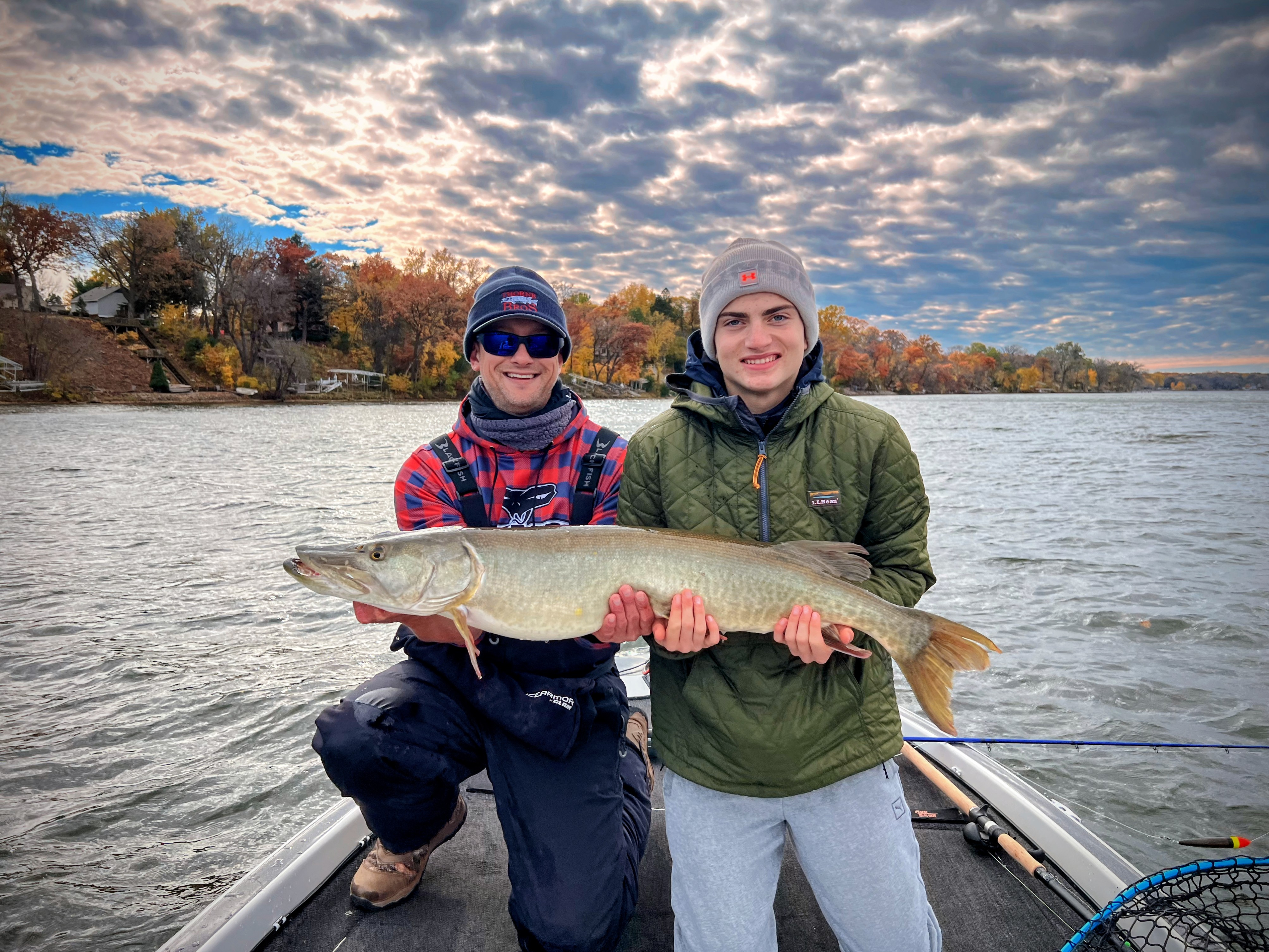
When the leaves begin changing and water temperatures slide into the low 60s and eventually the 50s, musky anglers know one thing: it's sucker season. Fall is when the biggest muskies of the year feed heavily before winter. While large rubber baits, glide baits, and trolling all produce fish, few presentations consistently tempt trophy muskies like a lively sucker swimming naturally beneath a float or alongside the boat. If your goal is landing the fish of a lifetime in Minnesota this fall, learning how to fish suckers with a quality quick strike rig should become part of your arsenal.
Why Suckers Work So Well in the Fall
As water temperatures cool, muskies begin targeting larger meals that require less energy to catch. A healthy 12-16 inch sucker is an easy, calorie-rich meal. Unlike artificial lures that rely on triggering reaction strikes, live bait presents exactly what muskies are looking for. Many experienced musky anglers run a sucker while casting bucktails, glide baits, or rubber. Often, a fish that follows a lure without committing will immediately eat the live sucker instead. Modern quick-strike rigs also allow anglers to set the hook immediately after the bite, greatly improving hook-up rates while reducing deep hooking and supporting healthy releases.
Choosing the Right Sucker Size
The biggest mistake new anglers make is buying bait that's too small.
For most Minnesota lakes:
- Water 60-55°F: 10-12 inch suckers
- Water 55-48°F: 12-14 inch suckers
- Late fall under 48°F: 14-18 inch suckers
Large muskies aren't afraid of big meals. In fact, oversized suckers often produce the season's largest fish.
How to Fish a Quick Strike Rig
Quick strike rigs have changed musky live bait fishing forever. Instead of allowing a musky to swallow the bait, today's rigs place two treble hooks along the sucker so anglers can drive the hooks home as soon as the fish takes the bait.
Benefits include:
- Better hook-up percentage
- Healthier releases
- Less damage to bait
- Immediate hooksets
- More fish landed
Many anglers now use rubber-band or bridle-style systems because they keep the sucker lively longer while positioning the hooks effectively.
Where to Fish Suckers
During the fall transition, focus on:
- Deep weed edges
- Rock reefs
- Inside turns
- Sharp breaks
- Cisco spawning areas
- Green cabbage remaining late into fall
Wind continues to be your best friend. A strong wind pushing into a healthy weed edge often concentrates baitfish—and muskies won't be far behind.
The Best Live Bait Musky Rod
Fishing suckers requires a rod that's different from your standard casting setup.
You want a rod with:
- Enough backbone for powerful hooksets
- A softer tip that allows the sucker to swim naturally
- Plenty of length for steering fish around the boat
- Comfort for holding during long days
My Recommendation, the Tackle Industries Tank 8'6' XH Musky Rod. This rod has become one of my favorites for live bait fishing because it has the perfect combination of power and forgiveness. The extra length helps control big fish boatside, delivers crushing hooksets on quick strike rigs, and keeps constant pressure during the fight. Whether you're fishing a float or free-lining a sucker while casting another rod, it's built to handle giant fall muskies.
Ready for sucker season? Check out the Tackle Industries Tank Musky Rod here: Tackle Industries Livebait Rod
Reel and Line Setup
A dependable sucker setup includes:
- 80-100 lb braided line
- Heavy-duty round baitcasting reel with a clicker (or comparable heavy musky reel)
- 130-174 lb fluorocarbon or solid wire leader
- Quality quick strike rig
- Large slip float when conditions call for it
The clicker is especially helpful because it lets a musky move naturally while alerting you the instant a fish grabs the bait.
Hookset Timing
One of the biggest myths in musky fishing is waiting several minutes before setting the hook. With a properly rigged quick strike system, set the hook immediately once the fish has the bait and the line comes tight. Modern quick strike rigs are specifically designed for immediate hooksets, improving landing percentages while greatly reducing the chance of deep-hooking the fish.
Don't Stop Casting
One of my favorite fall strategies is running one sucker while actively casting. Many follows that never commit to a bucktail suddenly turn aggressive when they notice an easy live meal swimming nearby. It's one of the highest-percentage ways to convert followers into fish. If you have multiple people in the boat, definitely run a few livebiat rigs and have at least one person casting, just make sure to follow your states law on number of lines per person.
Book a Guided Livebait Trip For Musky
If you want to learn how to fish livebait for big muskies in the fall, book your trip before it's too late. Here's what you will learn:
- Livebait timing
- fall musky locations
- Quick strike rig setup
- Proper livebait fishing mechanics
Book your trip here: Minnesota Guided Musky Trips In The Twin Cities
Comments
- (no comments)