-
How to Choose the Right Musky Rod for Every Musky Bait
One of the biggest mistakes musky anglers make isn't choosing the wrong lure, It's using the wrong rod. The correct musky rod makes every cast easier, reduces fatigue, increases hook-up percentages, and gives you much better control during the fight. Whether you're throwing small twitch baits in spring or giant rubber in late fall, matching your rod to your lure is one of the fastest ways to become a more efficient musky angler. After thousands of hours guiding Minnesota muskies, here's how I choose rods for every major bait category.
Best Musky Rod for Small Twitch Baits
Best Length: 8' - 9'
Power: Medium Heavy
Action: Fast
Small twitch baits don't require brute strength. Instead, they require precision. A shorter rod lets you work the bait with downward rod movements without constantly hitting the water. Fast actions make twitching effortless while still providing enough backbone for solid hooksets.
Perfect for:
- Small Suicks
- Small Phantoms
- 5" - 6" minnow baits
- Small crankbaits
- Spring twitch presentations
Why it works
- Better lure control
- Less fatigue
- Accurate casting around shallow cover
- Easier figure eights
The Tackle Industries Medium Heavy rod is one of my favorite choices for twitch baits because it has enough tip to work smaller lures while still packing plenty of power when a big fish eats.
👉 Recommended Rod Tackle Industries Pro Series 9' Medium Heavy
Best Musky Rod for SMall to Medium Bucktails
Double 8s are one of the most versatile musky baits ever created. They aren't extremely heavy, but you'll often cast them hundreds of times in a day. The right rod should load smoothly and reduce casting fatigue.
Recommended setup:
Length: 9'6" or 10'
Power: Medium Heavy
Action: Fast
Great for
- Mepps Single and Double 8
- Musky Mayhem Showgirl
- Musky Frenzy IC7
- Spinnerbait
A Medium Heavy Tackle Industries rod gives enough power to launch bucktails all day while remaining comfortable during long summer outings.
👉 Recommended Rod Tackle Industries Pro Series 9'6 Medium Heavy or Tackle Industries 10' Medium Heavy
Best Musky Rod for Big Bucktails
Double 10s changed musky fishing forever. They also destroy anglers who use the wrong equipment. Large bucktails create tremendous resistance throughout the retrieve. A rod that's too soft forces your wrists and forearms to do all the work.
Instead choose:
Length: 9'6 or 10'
Power: Extra Heavy
Action: Moderate Fast
Benefits include:
- Longer casts
- Less fatigue
- Better hook penetration
- Easier figure eights
- More leverage
Popular Double 10 Baits
- Musky Frenzy
- Musky Mayhem
- Spanky Baits
When I'm guiding anglers who plan to throw Double 10s most of the day, I almost always recommend an Extra Heavy Tackle Industries rod. The added backbone makes a noticeable difference after hundreds of casts.
👉 Recommended Rod Tackle Industries Pro Series 9'6 Extra Heavy or Tackle Industries 10' Extra Heavy
Best Musky Rod for Jerkbaits
Jerkbaits require a completely different rod. Unlike bucktails, you're constantly snapping, pulling and working the bait. Too long of a rod becomes awkward.
Recommended:
- 9'
- Extra Heavy Power
- Fast Action
The shorter length gives maximum lure control while allowing aggressive downward snaps.
Ideal for:
- Suicks
- Reef Hawgs
- Bobbies
- Hellhounds
Why shorter works
- Better cadence
- More accurate lure action
- Reduced fatigue
- Easier boat-side maneuvers
This is another application where a Heavy Tackle Industries rod shines by combining a responsive tip with enough backbone to drive hooks home.
👉 Recommended Rod Tackle Industries Pro Series 9' Extra Heavy
Best Musky Rod for Big Rubber
Few presentations stress equipment more than giant rubber. Large Medussas and tubes are incredibly heavy and require maximum power.
Recommended:
- 9'6 or 10
- Extra Extra Heavy
- Moderate Fast
Benefits
- Easier casting
- Better bait control
- Reduced shoulder fatigue
- Strong hooksets through thick plastic
Examples:
- Magnum Medussa
- Monster Medussa
- Poseidon
- Red October Tubes
- Mag Super D
If giant rubber is a regular part of your fall fishing, an Extra Heavy Tackle Industries rod is a worthwhile investment that protects both your body and your gear.
👉 Recommended Rod Tackle Industries Pro Series 9'6 XXH or Tackle Industries 10' XXH
Best Musky Rod for Fall Live Bait Fishing
Fall live bait fishing often involves large suckers and quick-strike rigs. Your rod must have the power to drive the quick strike rig home.
Recommended:
- 8'6
- Extra Heavy
- Moderate Fast
This setup gives:
- Maximum hooksetting power
- Better line pickup
- Easier control boatside
- Better leverage
Live Bait Situations
- Deep weed edges
- Rock bars
- Late October
- November muskies
The Extra Heavy Tackle Industries Tank rod provides powerful hooksets and exceptional control when fighting large fall muskies on sucker rigs.
👉 Recommended Rod Tackle Industries Tank 8'6 Livebait Rod
Final Thoughts
Choosing the right musky rod isn't about buying the most expensive equipment—it's about matching your rod to the techniques you fish most often. The right setup improves casting distance, reduces fatigue, increases hook-up percentages, and helps you land more fish throughout the season. Whether you're twitching shallow spring baits, burning Double 10 bucktails in midsummer, or throwing giant rubber in October, selecting the proper rod will make every day on the water more enjoyable. If you're looking for a versatile lineup of musky rods built specifically for these techniques, check out the Tackle Industries lineup using my affiliate link below and save yourself 15% on your order.
👉 Tackle Industries Discount Link
-
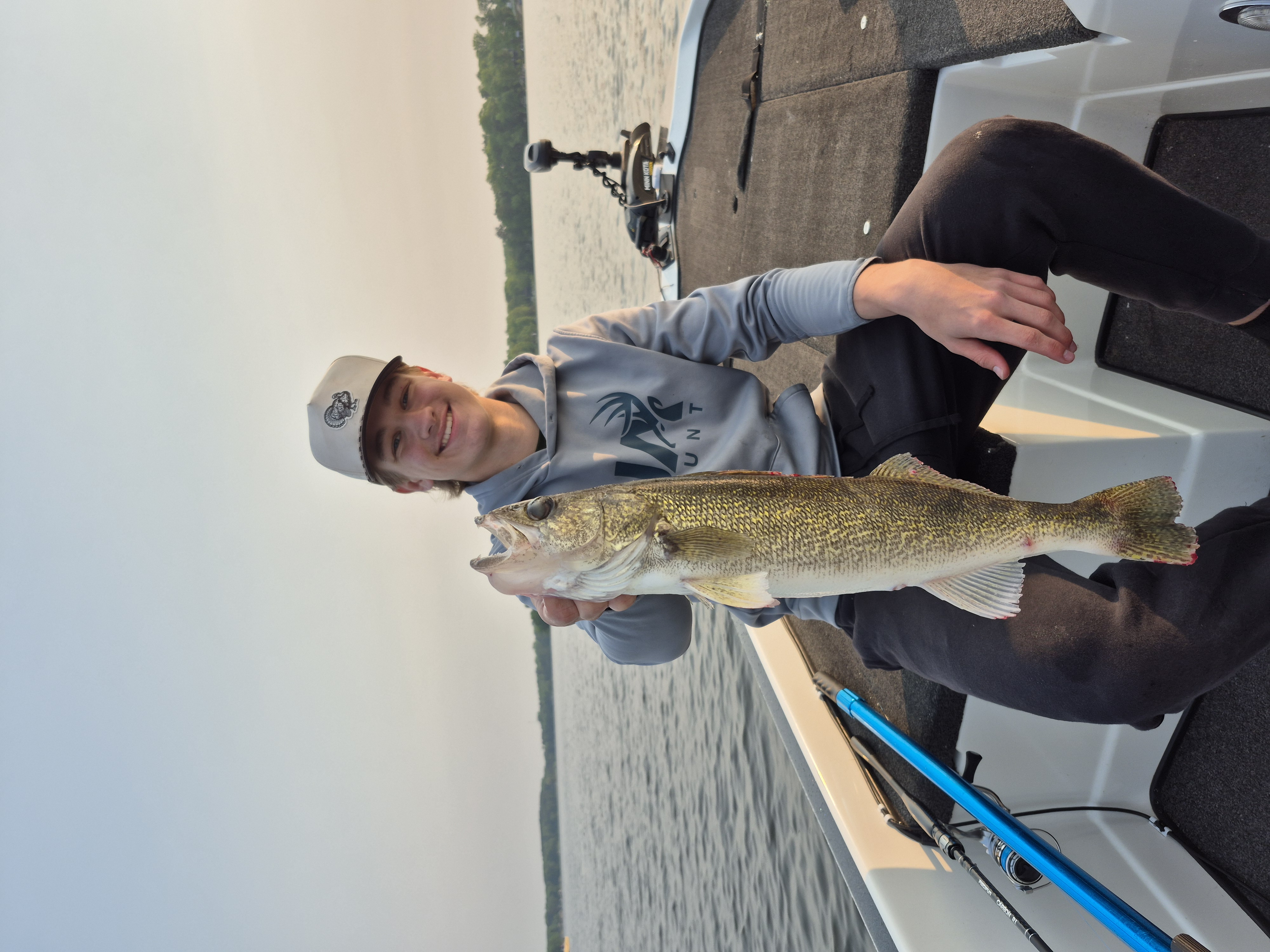
If you're serious about catching more walleyes, there are few techniques that consistently produce like snap jigging. Whether you're casting jigging minnows over deep flats, ripping rattle baits across roaming fish, or working aggressive reaction presentations on offshore structure, your rod is one of the most important pieces of equipment. A rod that's too soft won't drive hooks home. A rod that's too stiff won't properly work the bait or absorb violent head shakes. After thousands of hours chasing Minnesota walleyes, I've learned exactly what characteristics make a great snap jigging rod—and why investing in the right setup catches more fish.
Recommended Gear: Vexan Walleye Series Spinning RodWhy Your Walleye Rod Matters
Snap jigging is a reaction technique. You're not simply dragging a jig across bottom. You're making your lure dart, glide, vibrate, crash into bottom, then suddenly shoot several feet upward before fluttering back down. Most strikes happen on the fall or immediately after the snap, making sensitivity and hook-setting power critical.
The ideal rod should provide:
- Excellent sensitivity
- Fast hooksets
- Enough backbone for large walleyes
- Light weight for all-day casting
- Accurate lure control
- Reduced angler fatigue
Why the Vexan Walleye Rod Excels
When fishing aggressive presentations like:
- Vexan crystal reaper minnows
- Rapala rippin Raps
- Acme Hyper Rattles
- Blade baits
- Snap-jigged plastics
I want a rod that instantly transfers every movement into the lure. It's critical to know when your bait is fouled up, when your bait is fouled, you're missing opportunity. The Vexan Walleye Rod delivers exactly that.
Features I Look For:
- High-modulus graphite construction
- Extremely lightweight
- Fast action tip
- Sensitive blank
- Powerful backbone
- Comfortable handle for casting all day
Whether I'm fishing deep mud flats, gravel flats, weed edges, or suspended fish, this rod gives me complete control.
SHOP THE VEXAN WALLEYE ROD HERE FOR A 15% DISCOUNT
Best Rod Length for Snap Jigging
The best rod that I recommend:
Length: 7'4"
Power: Medium-Light to Medium
Action: Fast or Extra Fast
This combination allows you to:
- Cast farther
- Work jigging minnows efficiently
- Keep fish pinned
- Feel subtle bites
- Maintain lure control
Why Fast Action Is Critical
A fast action rod loads quickly for better bait control and reaches the backbone fast to drive the hooks home.
That means:
- More aggressive snaps
- Better bait action
- Immediate hook penetration
- Less slack after the lure falls
Walleyes often inhale the bait on slack line. Many bites simply feel like extra weight or a tiny "tick," making sensitivity and quick hooksets especially important.
Snap Jigging Rattle Baits
One of my favorite summertime patterns is snap jigging lipless crankbaits and vibrating rattle baits over:
- Deep sand flats
- Gravel flats
- Wind-blown points
- Rock bars
- Roaming schools
The retrieve is simple:
Cast long. Let the bait reach bottom. Snap the rod upward. Allow the bait to fall on semi-slack line. Repeat. Most fish strike during the fall. Because of this, sensitivity is everything.
Fishing Jigging Minnows
Jigging minnows continue to dominate throughout the open-water season.
These baits imitate:
- Dying bait
- Shiners
- Perch
- Young-of-year baitfish
Snap them aggressively. Pause. Let them glide. Watch your line. Often, your line simply jumps before you ever feel the fish. This technique excels when walleyes are grouped on offshore flats or feeding aggressively, especially when you need to trigger reaction strikes rather than relying on a slow presentation.
My Favorite Line Setup
I pair my Vexan rod with:
- 10 lb braided mainline
- 10-12 lb fluorocarbon leader
- 2000 spinning reel
This setup maximizes sensitivity while still giving enough strength to land trophy walleyes.
Common Snap Jigging Mistakes
Many anglers:
- Fish too slowly
- Use rods that are too soft
- Fail to watch the line
- Set the hook too late
- Lose bottom contact
Aggressive fish want aggressive movements. Don't be afraid to really rip the bait.
Book a Guided Minnesota Walleye Trip
Want to learn snap jigging firsthand?
I guide anglers across Minnesota using these exact techniques to catch summer and early fall walleyes. Whether you're new to jigging or want to fine-tune your electronics, boat positioning, and lure cadence, a guided trip can shorten the learning curve dramatically.
Book your Minnesota Walleye Guide Trip today and learn how to consistently catch walleyes using snap jigging techniques with rattle baits, jigging minnows, and modern electronics.
Minnesota Guided Walleye Trips
Final Thoughts
The rod you choose directly affects:
- Casting accuracy
- Sensitivity
- Hook-up ratio
- Fish landing percentage
- Overall confidence
- If you want one rod that excels with jigging minnows, rattle baits, blade baits, and snap jigging presentations, the Vexan Walleye Rod is an excellent option to consider.
Ready to upgrade your setup?
SHOP THE VEXAN WALLEYE ROD HERE FOR A 15% DISCOUNT
-
Bucktails catch muskies everywhere in Minnesota. Whether you're fishing the Twin Cities metro, Mille Lacs, Leech Lake, Vermilion, or one of the other lakes across the state, chances are a bucktail spends more time in the water than any other lure. But many anglers spend hundreds of dollars on premium bucktails while throwing them on the wrong rod. As a full-time Minnesota musky guide, I've watched anglers instantly cast farther, retrieve more comfortably, and perform dramatically better figure 8s simply by switching to the proper rod. If you're looking for one rod specifically designed to throw bucktails all day, here's exactly what I recommend.
Why Bucktails Require a Specialized Musky Rod
Bucktails may not be the heaviest lure in your tackle box, but they're one of the most physically demanding.
Large double-bladed bucktails create:
- Constant resistance
- Continuous rod loading
- Thousands of casts during a day
- High-speed retrieves
- Critical boatside figure 8 opportunities
The wrong rod creates fatigue. The right rod actually makes fishing easier.
The Ideal Musky Rod Specifications
After years of guiding Minnesota waters, here's the sweet spot.
Length:
9'6" to 10'0"
Longer rods:
- Cast farther
- Pick up more line
- Make smoother figure 8s
- Keep fish pinned better
Every extra inch helps when a giant musky follows to the boat.
Power
For #7's up to #9's I love a Med-Heavy power, you have great control in your figure 8 and there's just enough flex to keep those angry fish pinned when they eat at your feet. With a Med-Heavy, you can effortlesly cast any medium sized bucktail a long ways. For bigger blades, anything #9 and bigger, I prefer an Extra Heavy. Lots of power for bigger hooks, great boatside control and still soft enough to handle those intense boatside battles.
Why I Recommend Tackle Industries Rods
If you're searching for the best value in musky rods but want the performance of a high end premium rod, Tackle Industries continues to impress!
What stands out:
- Incredible casting distance
- Lightweight feel
- Excellent balance
- Plenty of backbone
- Comfortable all-day fishing
- Outstanding figure 8 performance
Most importantly, they fish well above their price point.
Instead of paying premium prices for a custom rod, anglers can purchase a professional-quality rod while saving money for reels, line, and more tackle.
SHOP TACKLE INDUSTRIES RODS HERE:
Tackle Industries Pro Series 9'6 MH
Tackle Industries Pro Series 9'6 XH
Pairing the Right Reel
A quality rod deserves a quality reel.
Look for:
- High-speed retrieve (6.3:1 or faster)
- Strong drag
- Large line capacity
- Comfortable power handle
The faster you retrieve bucktails, the easier it becomes to trigger reaction strikes.
Best Line Setup
For Minnesota bucktail fishing I recommend:
- 80-pound braided line
- 7" Single strand wire leader
- Heavy-duty split rings
- Premium snaps
This combination handles nearly every musky you'll encounter.
Why Longer Rods Catch More Fish
Many anglers think longer rods simply cast farther. That's true. But the biggest advantage happens boatside.
Long rods create:
- Larger figure 8s
- Wider turns
- Better lure speed
- More control
- More room to keep fish engaged
Some of the biggest muskies I guide clients into never strike until the eighth or ninth turn. The right rod keeps those fish interested.
Common Mistakes When Buying a Bucktail Rod
Buying too short, 7'6" rods are becoming outdated for serious musky anglers, long rods simply perform better. Buying too soft, bucktails load rods constantly, a softer rod quickly becomes exhausting. Buying only by price, expensive doesn't always mean better, rod balance and fishability matter far more than flashy cosmetics.
Ready to Learn Bucktail Fishing?
Equipment helps. Experience catches fish. If you'd like to learn where to fish, when to fish, boat positioning, retrieve speed, triggering follows, and mastering the figure 8, book a guided musky trip. You'll spend an entire day learning techniques that often take anglers years to discover on their own.
Book A Minnesota Musky Guide Trip
-
We are reaching peak summer temps so that means the early season is long gone and it's time to put musky fishing on hold until the water cools down. What that means for Musky Geek Guide Service and musky fishing here in the metro area, THE BEST PART OF THE SEASON IS KNOCKING ON THE DOOR! If you're looking for the best month to catch a trophy musky in Minnesota, August deserves to be at the top of your list. While many anglers think fall is the only time giant muskies feed aggressively, experienced musky fishermen know that late summer often produces incredible action. As water temperatures begin to cool from their midsummer highs, muskies become noticeably more active. Feeding windows get longer, fish begin roaming larger areas, and they start positioning around shallow structure to take advantage of schools of baitfish. For anglers willing to cover water and fish aggressively, August can provide some of the most exciting musky fishing of the entire year. As a Minnesota Professional Musky Guide this, in my opinion, is when the magic really starts to happen.
Cooling Water Temperatures Trigger More Activity
Throughout July, water temperatures often remain in the upper 70s or even low 80s on many Minnesota lakes. As August progresses, cooler nights gradually reduce surface temperatures. That slight temperature drop makes a tremendous difference. Muskies become more comfortable moving throughout the day, recover quicker after feeding, and begin increasing their calorie intake in preparation for fall.
Rather than spending long periods suspended in open water, many fish begin revisiting classic shallow feeding areas including:
- Rock reefs
- Weed edges
- Sand and rock transitions
- Shallow cabbage beds
- Wind-blown shorelines
- Isolated boulders
These locations concentrate baitfish and create ideal ambush points for feeding muskies.
Shallow Water Comes Alive
One of the biggest August changes is how many quality fish begin sliding shallow. Large schools of perch, bluegills, juvenile panfish, and young-of-the-year baitfish become more active around shallow cover. Muskies follow this food source.
Don't overlook water less than six feet deep—especially during:
- Early morning
- Evening
- Cloud cover
- Windy conditions
- Before approaching storms
Some of the biggest muskies of the year are caught in surprisingly shallow water during August.
Bucktails Cover Water Better Than Any Other Lure
When muskies are actively roaming, few presentations can match the efficiency of a bucktail.
Bucktails allow anglers to:
- Cover miles of productive shoreline
- Trigger reaction strikes
- Fish efficiently over weeds
- Work through scattered fish quickly
- Locate active muskies faster than slower presentations
Double-bladed bucktails create tremendous flash and vibration that muskies can detect from long distances. When fish are feeding aggressively, they often chase these lures with incredible speed and violence. One of the biggest mistakes anglers make is fishing too slowly. During August, speed frequently triggers strikes that slower retrieves simply cannot.
The Right Bucktail Rod Makes Every Cast Easier
Burning double bladed bucktails all day demands the right equipment. A quality bucktail rod reduces fatigue, improves casting distance, and gives you complete control over heavy resistance baits. A huge improvement is going to a longer rod, espetially for bucktails, I love my 10 footers.
A dedicated bucktail rod should feature:
- Medium Heavy power for small to medium size blades
- Extra Heavy power for medium to large baldes
- A moderate-fast action for casting large blades
- Enough backbone to drive hooks home at long distances
- Comfortable balance for all-day casting
Looking for a rod built specifically for burning big bucktails? Check out the Tackle Industries Bucktail Rod here and enjoy a 15% discount when you use this link Tackle Industries Musky Rods
The right rod doesn't just make fishing more comfortable—it helps you make longer and more accurate casts, keep blades running correctly, and stay fresh during long days on the water.
August Is Prime Time for Explosive Topwater Strikes
Nothing in freshwater fishing compares to watching a giant musky explode on a topwater bait.
August is one of the best months of the year for topwater fishing because muskies are:
- Feeding aggressively near the surface
- Hunting shallow baitfish
- Willing to travel long distances to strike
- Active during low-light conditions
- Topwater lures excel over:
- Thick weeds
- Shallow rock
- Timber
- Calm bays
- Wind-blown flats
Early mornings and evenings often produce unforgettable surface explosions, but don't ignore cloudy afternoons. Some of the biggest fish of the season are caught on topwater in the middle of the day when weather conditions line up.
A Dedicated Topwater Rod Gives You Better Control
Large prop baits and walking-style topwaters perform best on a rod designed specifically for moving oversized lures. For topwater baits, regardless of style, I prefer a slightly shorter rod than one I would use for bucktails. For me, a 9'6" works phenomenal for topwater lures.
The ideal topwater rod offers:
- Excellent casting accuracy
- Enough tip to work the bait correctly
- Powerful backbone for solid hook penetration
- The leverage needed to control trophy muskies boatside
Whether you're throwing prop-style baits, creepers, or walk-the-dog topwaters, using the proper rod makes every retrieve more effective. Upgrade your topwater setup with a Tackle Industries rod, they've been guide tested and approved. Enjoy a 15% discount when you use this link Tackle Industries Musky Rods
When every strike could be the fish of a lifetime, confidence in your equipment matters.
Peak Musky Activity Means Peak Opportunity
August consistently produces multiple-fish days along with legitimate trophy opportunities. Changing weather patterns, cooling water temperatures, and increasing feeding activity combine to create one of the most consistent bites of the year.
This is the month when anglers often experience:
- More follows
- More committed strikes
- More shallow fish
- More daytime activity
- Bigger feeding windows
Simply put, your odds improve.
Book an August Musky Guide Trip Before the Calendar Fills
August is one of the busiest months on my guide calendar—and for good reason. These fish are feeding hard, covering water, and setting up on predictable structure that allows us to fish efficiently and maximize opportunities throughout the day. Whether you're chasing your very first musky or hoping to land a true Minnesota giant, August provides some of the highest-percentage fishing of the entire season.
Every trip includes professional instruction on:
Reading seasonal musky movements
- Boat positioning
- Bucktail retrieves
- Topwater techniques
- Figure-8 mechanics
- Equipment selection
- Fish handling and release
The goal isn't just helping you catch a fish—it's helping you become a better musky angler.
Reserve Your August Date Now
If you'd rather shorten the learning curve and fish during the season's best bite, consider booking one of my Guided Minnesota Musky Trips. Prime August dates disappear quickly every year because experienced anglers understand how productive this period can be. If you've been waiting for the perfect time to book your Minnesota musky adventure, this is it. Book your August musky guide trip today and experience one of the most exciting bites of the season before the calendar is full.
-
If you're looking for the best July walleye fishing in Minnesota, now is the time to get on the water. The traditional early-summer structure bite is giving way to one of my favorite patterns of the year—covering water and targeting roaming schools of active walleyes on expansive mud, sand, and gravel flats. Rather than sitting on one spot waiting for fish to bite, we're using aggressive power fishing techniques to locate feeding fish quickly. Once we contact a school, the action can be incredibly fast with multiple fish coming from the same area.
July Walleye Pattern
Water temperatures have pushed walleyes into their mid-summer locations, and many fish are no longer relating tightly to shoreline structure. Instead, they're roaming open flats following baitfish and feeding windows. These fish are constantly moving, which makes mobility the key to success. Electronics play a huge role in locating fish, but just as important is using presentations that allow us to efficiently cover water until we find an active school.
Snap Jigging Is Producing Big Results
One of the most productive techniques right now has been snap jigging. Aggressive rod snaps trigger reaction strikes from walleyes that may ignore slower presentations. Instead of dragging a bait through inactive fish, we're forcing them to make a split-second decision.
Our top presentations include:
- Snap jigging rattle baits
- Jigging minnows
- Snap jigging soft plastics
- Aggressive vertical presentations around roaming schools
These techniques excel because they allow us to quickly search large areas while still triggering quality fish. They're also incredibly effective for bigger, more aggressive summer walleyes.
Why Power Fishing Works in July
Many anglers slow down too much during the summer. When fish are scattered across large flats, slowing down often means fishing where the walleyes aren't. Power fishing lets us eliminate unproductive water and spend more time casting to active fish. By constantly moving and covering water, we locate schools faster and stay on fish throughout the day as they continue to roam. It's an exciting style of fishing that keeps anglers actively casting instead of waiting for bites.
What to Expect on a Guided Trip
Every trip begins with locating active fish using current conditions and electronics before dialing in the best presentation.
Depending on the day, you'll learn how to:
- Snap jig rattle baits
- Fish jigging minnows effectively
- Work plastics with aggressive rod movements
- Read electronics to stay with moving schools
- Understand why walleyes are using specific flats and feeding zones
Whether you're looking to catch more walleyes, improve your electronics skills, or simply enjoy a fun day on the water, July offers some of the most exciting fishing of the season.
Book Your Minnesota Walleye Guide Trip
July is one of the busiest months of the year, and the best dates fill quickly. If you've been thinking about learning power fishing techniques or simply want to experience fast-paced summer walleye action, now is the perfect time to reserve your trip. A guided trip gives you the opportunity to fish proven patterns, learn techniques that continue producing long after the trip is over, and spend more time catching fish instead of searching for them.
Ready to experience Minnesota's outstanding July walleye fishing? Contact Musky Geek Guide Service today to reserve your date before the calendar fills. Book your trip HERE MN Guided Walleye Trip