-
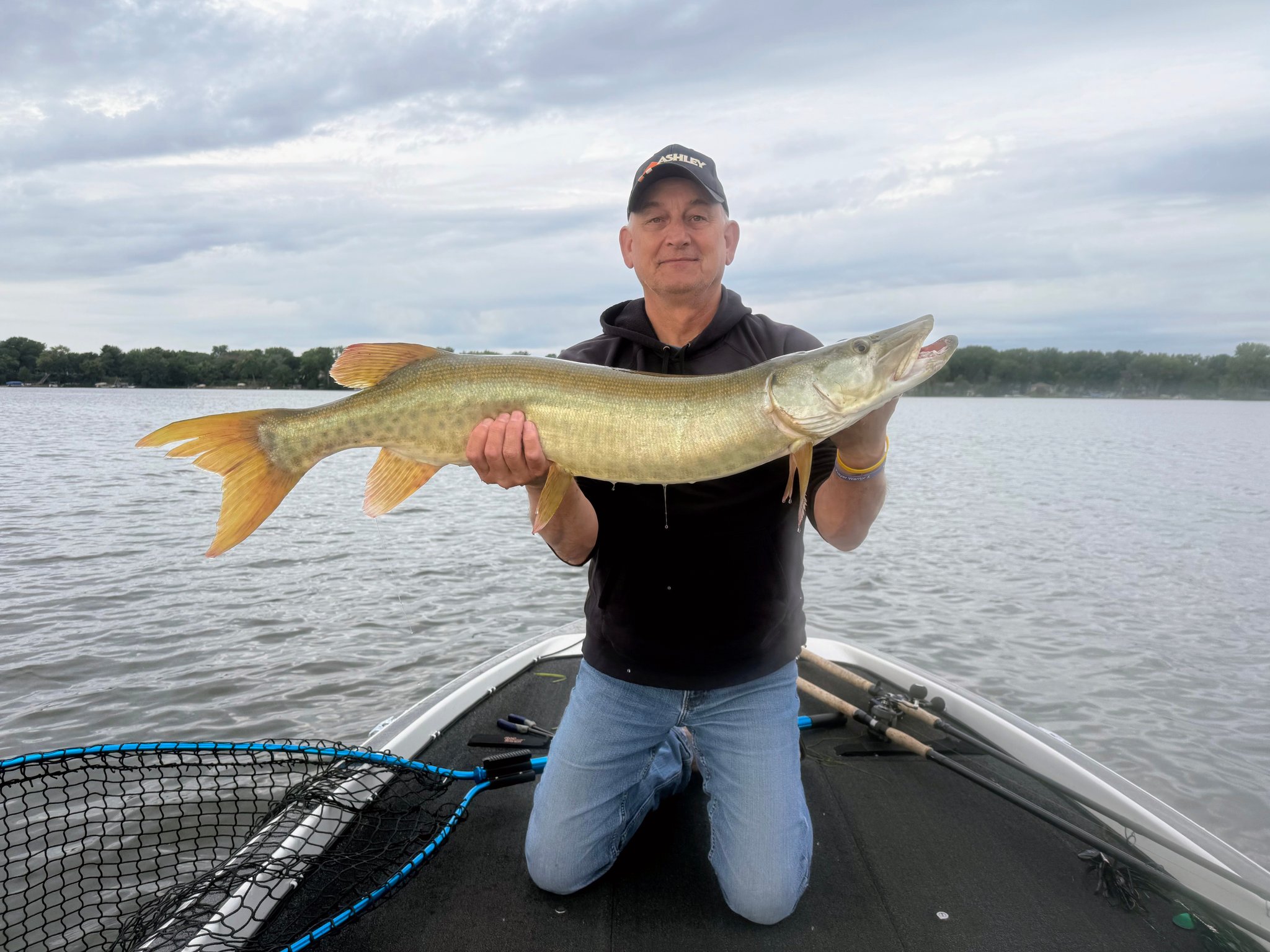
Musky season is heating up—and I have a handful of prime dates still available.
If you’ve been waiting for the right time to chase a Minnesota musky, this is it!
I’m focusing on filling a few select dates during the last week of August and first week of September. This is the transition into some of the most exciting musky fishing of the year, with fish becoming increasingly aggressive as fall approaches.
🎣 Available late-August & early-September dates:
August: 28 and 31 MORNING TRIPSSeptember: 2 and 3 MORNING TRIPS
September: 8 and 10 MORNING TRIPS
These dates are limited—and once they’re gone, they’re gone.
Don’t wait until September is in full swing to start looking for a date. If musky fishing is on your list this year, now is the time to get on the water.
👉 Book your musky trip with Musky Geek Guide Service.
A few open dates. A lot of fish. One shot at getting on the calendar!
-
September Transition Musky Fishing in Minnesota: Why It's One of the Best Times to Catch Trophy Muskies
Aug 17, 2026
Temperatures slowly begin to cool, forage becomes more active, and muskies transition into one of their most aggressive feeding periods of the year. If you've been waiting for the perfect time to book a musky fishing trip, late August through early September is one of the highest-percentage windows of the season. Whether you're chasing your first musky or looking for the fish of a lifetime, understanding these seasonal movements can dramatically improve your odds. To shorten the learning curve, book a Minnesota guided Musky Fishing Trip. My schedule fills extremely fast for September so now is the time to book!
Why Late August is a Turning Point
During July and early August, many lakes experience their warmest water temperatures of the year. Muskies often feed in shorter windows and may spend much of the day suspended or resting.
By the second half of August, conditions begin changing:
- Slightly cooler nights
- Shorter daylight hours
- Increased oxygen levels
- More comfortable water temperatures
Even a small drop of just a few degrees can completely change musky behavior. Rather than feeding only during narrow windows, fish often become active multiple times throughout the day.
Cooling Water Means More Active Muskies
One of the biggest triggers during this period is cooling surface temperatures. When water begins dropping into the upper 60s and low 70s, muskies become noticeably more comfortable and willing to chase fast-moving presentations. This creates incredible opportunities to fish aggressively. Instead of waiting for one short evening bite, anglers often experience multiple feeding windows throughout the day.
Bucktails Become a Go-To Search Bait
Late August is prime time for burning bucktails. Large double-bladed bucktails allow anglers to cover massive amounts of water while triggering reaction strikes from active fish.
Focus on:
- Weed edges
- Rock transitions
- Saddle areas
- Deep cabbage
- Points
- Reef structures
Many muskies are actively roaming in search of perch, suckers, tullibees, and other baitfish. Fast-moving bucktails excel at finding these fish.
Why Bucktails Shine
- Cover water quickly
- Trigger reaction bites
- Excellent for locating active fish
- Great during cloudy or windy conditions
- Effective all day long
Topwater Action Can Be Incredible
Few experiences compare to watching a giant musky explode on a topwater bait. Late August and early September often provide some of the year's most consistent topwater fishing. Cooling nights allow fish to cruise shallow flats and weed edges throughout much of the day—not just during sunrise or sunset.
Some of the best areas include:
- Inside weed lines
- Sparse cabbage beds
- Large shallow sand flats
- Rock-to-weed transitions
- Wind-blown shorelines
Calm mornings and low-light evenings are excellent, but don't overlook overcast afternoons.
Wind Becomes Your Best Friend
As summer transitions toward fall, wind becomes increasingly important. Wind pushes baitfish. Bait attracts muskies. Some of the best fishing during late August occurs on wind-blown shorelines where bait is concentrated. Rather than avoiding windy conditions, experienced musky anglers actively seek them out.
Fish the Major Feeding Windows
Late August frequently produces longer feeding windows than midsummer.
Pay close attention to:
- Sunrise
- Moonrise
- Moonset
- Sunset
- Incoming weather systems
- Approaching cold fronts
These periods often produce explosive action. Planning your day around these windows can make a tremendous difference.
Big Fish Begin Showing Themselves
Although October often gets the spotlight, many trophy-class muskies are caught before September even arrives. Some of the biggest fish I encounter all season come during the early September transition when the biggest muskies in the lake have avoided pressure all summer long out in the open water and start to become more vulnerable in shallow water.
Late August fish are:
- Healthy
- Aggressive
- Feeding heavily
- Willing to chase moving baits
These fish are preparing for the coming fall feeding period. That makes this one of the best opportunities all season to connect with a true Minnesota giant.
Why Hire a Minnesota Musky Guide During This Time?
Late August offers outstanding fishing—but knowing where fish are transitioning is the real advantage. Every lake changes differently. Daily adjustments matter. A professional guide eliminates the guesswork by putting you on active fish based on current conditions, recent patterns, and years of experience. Instead of spending valuable vacation time searching, you'll spend more time casting to high-percentage spots and learning techniques that continue paying off long after your trip. Whether you're chasing your first musky or your personal best, guided trips consistently increase your chances of success.
Book Your Late Summer Musky Adventure
Late August and early September dates are some of the first trips to fill each season because experienced anglers know just how productive this time can be. If you're planning a Minnesota fishing vacation or simply want your best chance at landing a trophy musky, now is the time to reserve your trip before the calendar fills up. Musky Geek Guide Service specializes in putting anglers on active fish during these seasonal transitions using proven patterns, premium equipment, and years of experience on Minnesota waters.
Reserve your late August or early September musky trip today and experience one of the most exciting times of the season to catch the fish of a lifetime. Book Your Twin Cities Musky Trip Here
Want the information I don't post publicly?
This article is exactly why I created the Musky Geek email list.
I don't put every fishing observation, seasonal pattern, trip update or strategy on social media.
Email subscribers get the behind-the-scenes information — including what I'm seeing on the water, how conditions are changing, upcoming opportunities and the techniques I'm using as the season progresses.
If you want to stay ahead of the seasonal transitions instead of finding out about them after the fact:
[JOIN THE MUSKY GEEK EMAIL LIST →]
The best musky fishing of the season is getting closer.
Get on the water before the window closes.
-
If you're serious about catching more walleyes, there are few techniques that consistently produce like snap jigging. Whether you're casting jigging minnows over deep flats, ripping rattle baits across roaming fish, or working aggressive reaction presentations on offshore structure, your rod is one of the most important pieces of equipment. A rod that's too soft won't drive hooks home. A rod that's too stiff won't properly work the bait or absorb violent head shakes. After thousands of hours chasing Minnesota walleyes, I've learned exactly what characteristics make a great snap jigging rod—and why investing in the right setup catches more fish.
Recommended Gear: Vexan Walleye Series Spinning RodWhy Your Walleye Rod Matters
Snap jigging is a reaction technique. You're not simply dragging a jig across bottom. You're making your lure dart, glide, vibrate, crash into bottom, then suddenly shoot several feet upward before fluttering back down. Most strikes happen on the fall or immediately after the snap, making sensitivity and hook-setting power critical.
The ideal rod should provide:
- Excellent sensitivity
- Fast hooksets
- Enough backbone for large walleyes
- Light weight for all-day casting
- Accurate lure control
- Reduced angler fatigue
Why the Vexan Walleye Rod Excels
When fishing aggressive presentations like:
- Vexan crystal reaper minnows
- Rapala rippin Raps
- Acme Hyper Rattles
- Blade baits
- Snap-jigged plastics
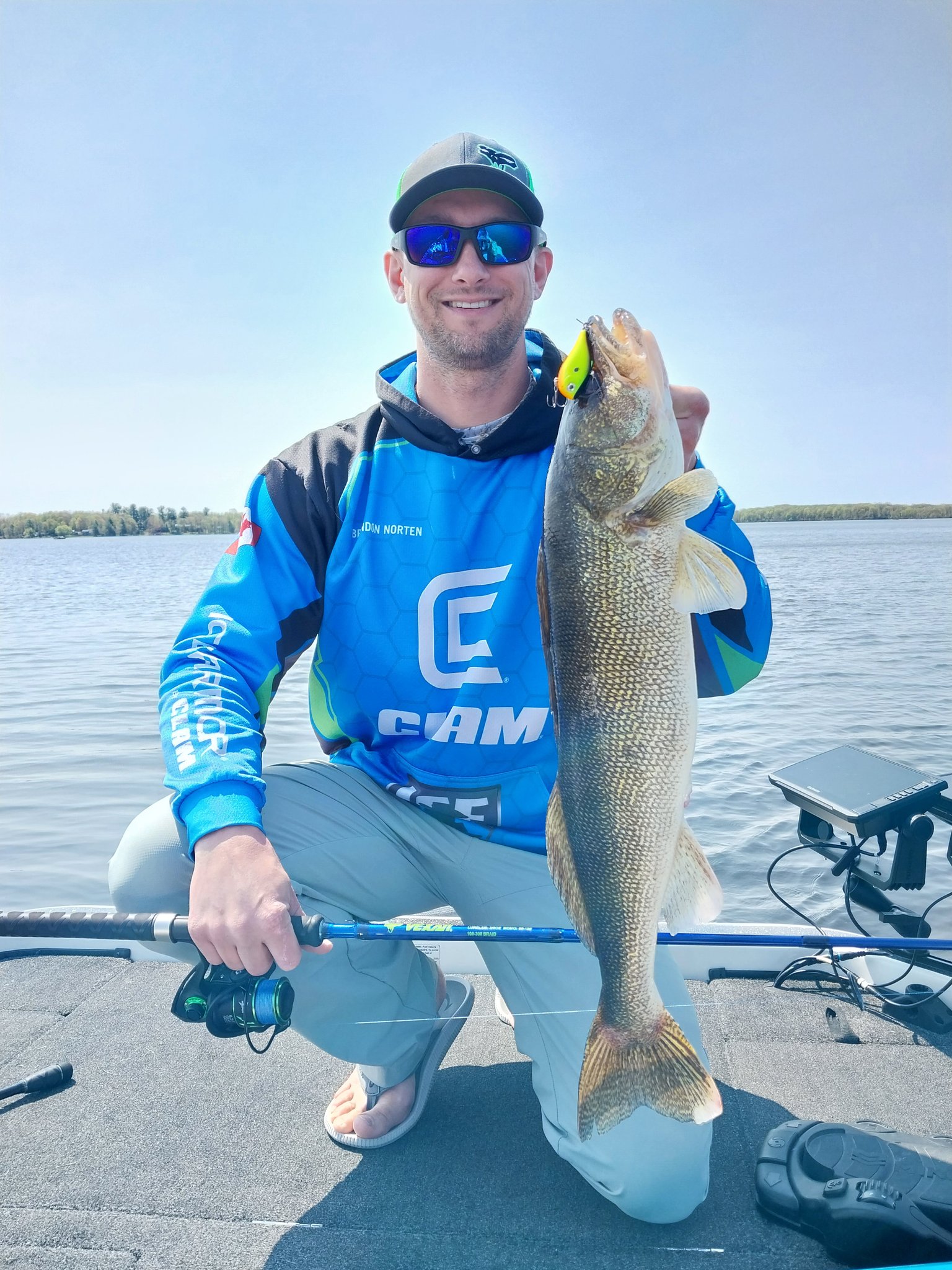
I want a rod that instantly transfers every movement into the lure. It's critical to know when your bait is fouled up, when your bait is fouled, you're missing opportunity. The Vexan Walleye Rod delivers exactly that.
Features I Look For:
- High-modulus graphite construction
- Extremely lightweight
- Fast action tip
- Sensitive blank
- Powerful backbone
- Comfortable handle for casting all day
Whether I'm fishing deep mud flats, gravel flats, weed edges, or suspended fish, this rod gives me complete control.
SHOP THE VEXAN WALLEYE ROD HERE FOR A 15% DISCOUNT
Best Rod Length for Snap Jigging
The best rod that I recommend:
Length: 7'4"
Power: Medium-Light to Medium
Action: Fast or Extra Fast
This combination allows you to:
- Cast farther
- Work jigging minnows efficiently
- Keep fish pinned
- Feel subtle bites
- Maintain lure control
Why Fast Action Is Critical
A fast action rod loads quickly for better bait control and reaches the backbone fast to drive the hooks home.
That means:
- More aggressive snaps
- Better bait action
- Immediate hook penetration
- Less slack after the lure falls
Walleyes often inhale the bait on slack line. Many bites simply feel like extra weight or a tiny "tick," making sensitivity and quick hooksets especially important.
Snap Jigging Rattle Baits
One of my favorite summertime patterns is snap jigging lipless crankbaits and vibrating rattle baits over:
- Deep sand flats
- Gravel flats
- Wind-blown points
- Rock bars
- Roaming schools
The retrieve is simple:
Cast long. Let the bait reach bottom. Snap the rod upward. Allow the bait to fall on semi-slack line. Repeat. Most fish strike during the fall. Because of this, sensitivity is everything.
Fishing Jigging Minnows
Jigging minnows continue to dominate throughout the open-water season.
These baits imitate:
- Dying bait
- Shiners
- Perch
- Young-of-year baitfish
Snap them aggressively. Pause. Let them glide. Watch your line. Often, your line simply jumps before you ever feel the fish. This technique excels when walleyes are grouped on offshore flats or feeding aggressively, especially when you need to trigger reaction strikes rather than relying on a slow presentation.
My Favorite Line Setup
I pair my Vexan rod with:
- 10 lb braided mainline
- 10-12 lb fluorocarbon leader
- 2000 spinning reel
This setup maximizes sensitivity while still giving enough strength to land trophy walleyes.
Common Snap Jigging Mistakes
Many anglers:
- Fish too slowly
- Use rods that are too soft
- Fail to watch the line
- Set the hook too late
- Lose bottom contact
Aggressive fish want aggressive movements. Don't be afraid to really rip the bait.
Book a Guided Minnesota Walleye Trip
Want to learn snap jigging firsthand?
I guide anglers across Minnesota using these exact techniques to catch summer and early fall walleyes. Whether you're new to jigging or want to fine-tune your electronics, boat positioning, and lure cadence, a guided trip can shorten the learning curve dramatically.
Book your Minnesota Walleye Guide Trip today and learn how to consistently catch walleyes using snap jigging techniques with rattle baits, jigging minnows, and modern electronics.
Minnesota Guided Walleye Trips
Final Thoughts
The rod you choose directly affects:
- Casting accuracy
- Sensitivity
- Hook-up ratio
- Fish landing percentage
- Overall confidence
- If you want one rod that excels with jigging minnows, rattle baits, blade baits, and snap jigging presentations, the Vexan Walleye Rod is an excellent option to consider.
Ready to upgrade your setup?
SHOP THE VEXAN WALLEYE ROD HERE FOR A 15% DISCOUNT
-
Spring Crappie Fishing report: Minnesota Metro
May 4, 2026
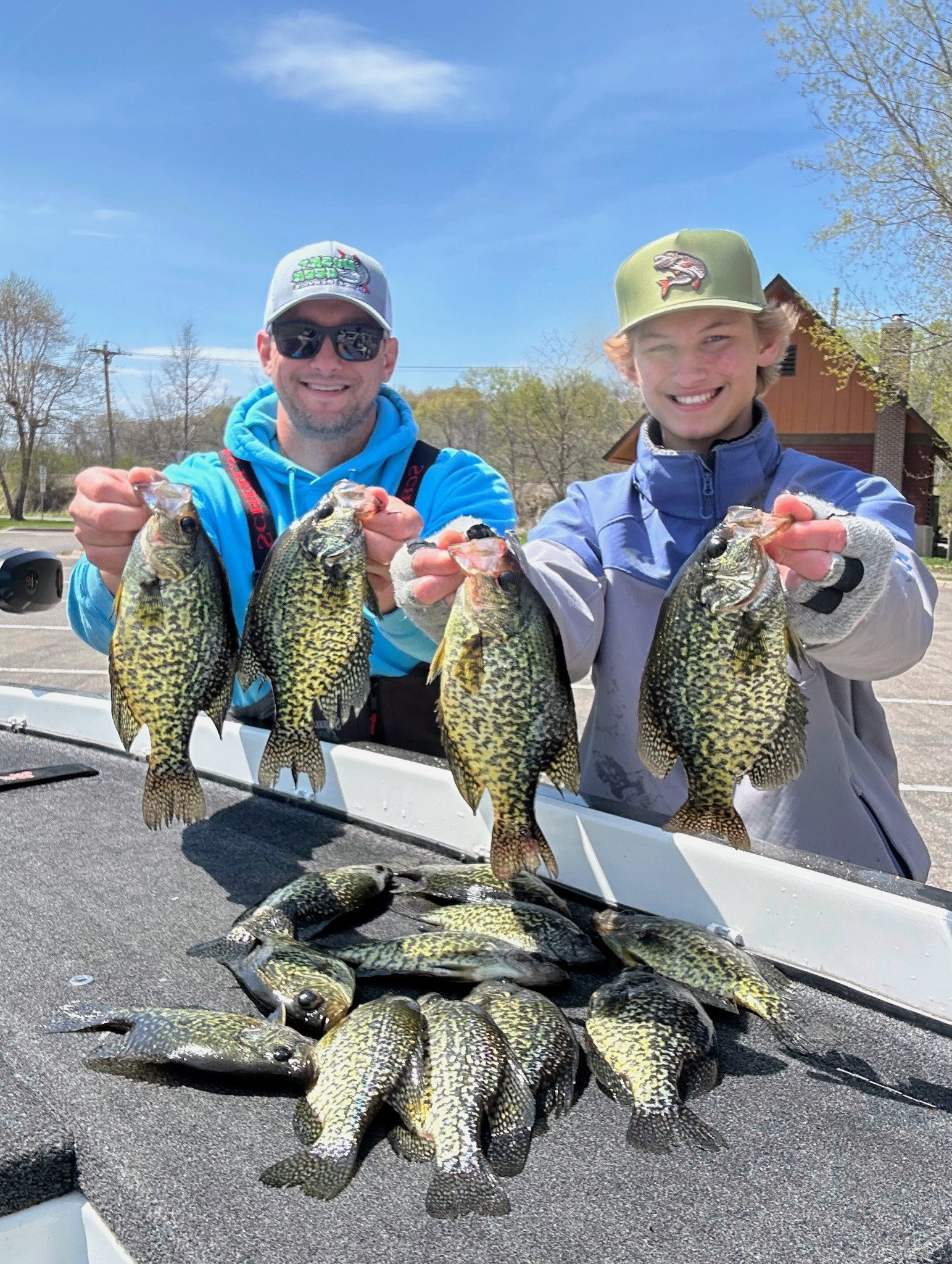
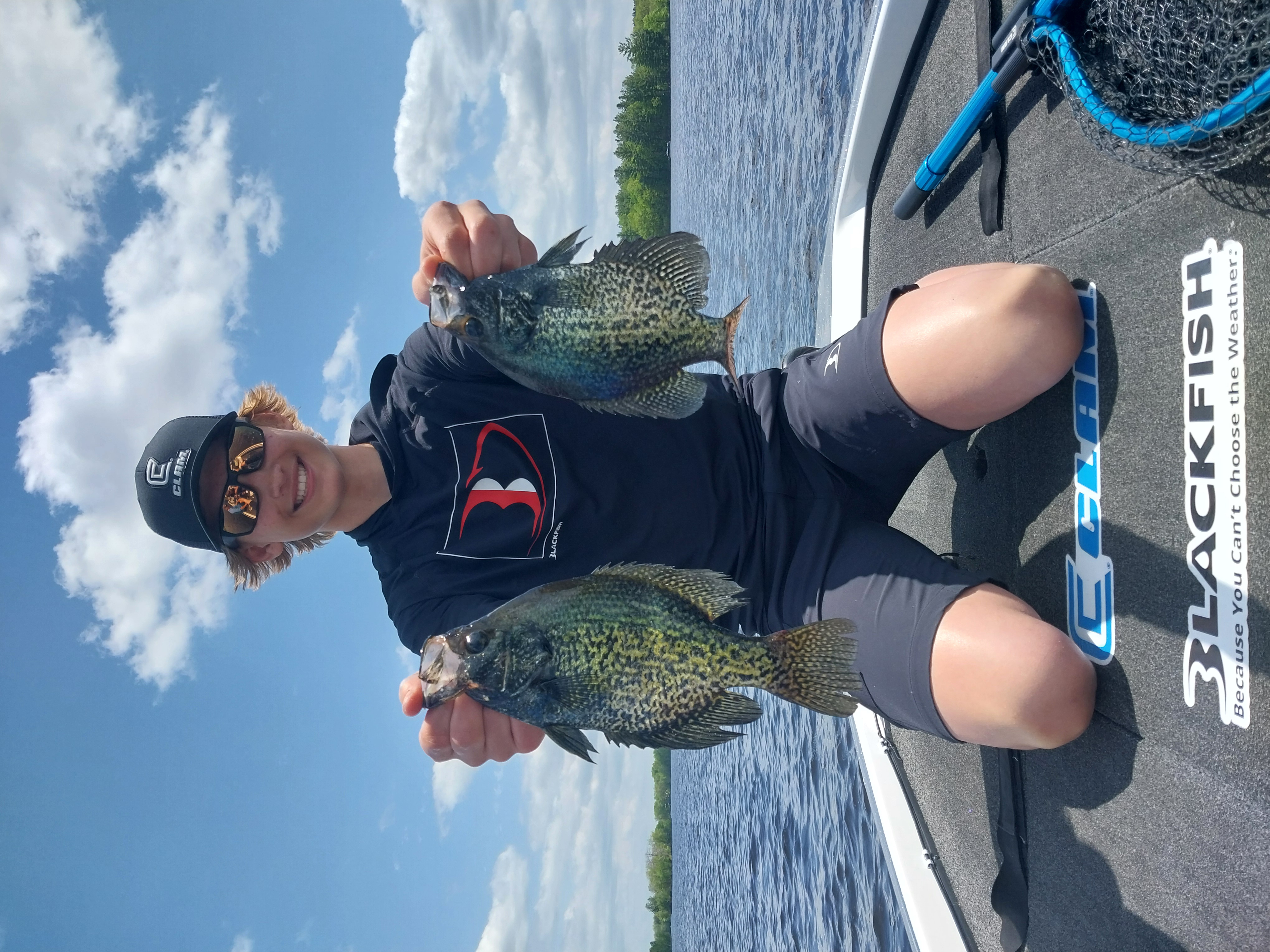
Spring crappie fishing is starting to heat up in the metro area, if we could get a week with normal tempuratures the bite wuld light on fire. The cold overnight lows cooled the water back down and really changes the bite from day to day. Water temps were at 53-55 degerees this weekend. Weed growth is looking really good in a lot of the spots I've fished, with weedlines out to about 12 feet. We have been getting a lot of our fish on the wind blown weed edges where the warmer water has been pushed, anywhere in the 8 to 12 foot range. We're catching them on everything from hair jigs, to 5mm tungsten ice jigs with a plastic. I'm expecting the bite to really get going soon! Walleye opener is May 9th, I'll be hitting my favorite metro spots looking for that metro gold. If you're looking to get in on a sweet crappie/walleye combo trip, don't wait, book it while you can!
-
Why Spring Is the Most Predictable Crappie Bite in Minnesota
Ask any Minnesota angler to name the most reliable crappie bite of the year, and chances are they’ll say spring without hesitation. While summer patterns scatter fish and fall transitions can be short-lived, spring crappies follow a script that’s about as predictable as fishing gets in the Land of 10,000 Lakes.
Here’s why spring consistently delivers the most dependable crappie action in Minnesota—and why it’s the season anglers plan vacations around.
Crappies Go Shallow for a Reason
Spring is all about spawning, and spawning means shallow water. As ice leaves the lakes and water temperatures climb into the mid-40s and 50s, crappies slide out of winter basins and begin staging near classic shallow-water structure. Reeds, bulrushes, pencil reeds, docks, fallen trees, and north-facing bays all become prime real estate. Unlike summer, when crappies can suspend anywhere and roam constantly, spring fish are tied to very specific areas. They’re there to feed, warm up, and eventually spawn—and that keeps them grouped up and easy to locate.
Water Temperature Narrows the Pattern
Spring crappies aren’t guessing. Once water temps reach key ranges, their behavior becomes remarkably consistent:
- Mid-40s: Fish stage just outside spawning areas
- Upper-40s to low-50s: Crappies push shallow and feed aggressively
- Mid-50s and up: Spawning begins!
Because these temperature windows are predictable year after year, anglers can follow the progression lake by lake. When you find the right water temp, you find the fish—it’s that simple.
Less Water, More Fish
One of the biggest reasons spring fishing feels so automatic is geography. In winter, crappies can be anywhere in the basin. In summer, they can suspend over deep water or spread across massive weed flats. But in spring, the “fishable” water shrinks dramatically. Instead of thousands of acres, you’re often targeting a handful of bays or shoreline stretches. That concentration turns average anglers into successful ones and good anglers into fish-catching machines.
Slower Presentations Match Cold-Water Moods
Spring crappies are comfortable with slow, finesse presentations, which keeps the bite consistent throughout the day. Small jigs, plastics, and live bait under a float work because fish don’t need to chase far. They’re willing to eat—but they want it easy. That willingness leads to fewer “mystery days” where nothing works. If you’re putting a bait in front of fish at the right depth, odds are they’ll bite.
Light Pressure (At First)
Early spring often means fewer boats on the water. Ice-out timing, cold mornings, and unpredictable weather keep many anglers at home. Those who do venture out are rewarded with fish that haven’t seen much pressure, making them less finicky and more aggressive. Once word gets out, the crowds come—but that early window is pure Minnesota spring magic.
It Happens Every Year
That’s the real secret. Spring crappie patterns repeat themselves year after year. Same spots. Same depths. Same presentations. Once you understand the progression, you can almost set your watch by it. While other seasons require constant adjustment, spring rewards anglers who simply pay attention to water temperature, weather trends, and classic shallow structure.
Final Thoughts
Spring isn’t just the best time to catch crappies in Minnesota—it’s the most predictable. Fish are shallow, concentrated, and driven by instincts that don’t change. Whether you’re fishing from shore, a canoe, or a fully rigged boat, spring offers the most reliable opportunity to find and catch fish. That consistency is why spring crappie season isn’t just another bite—it’s a tradition. If you want to take the guess work out of trying to find crappies, book your date now and lets catch some fish! 🎣