-
September Transition Musky Fishing in Minnesota: Why It's One of the Best Times to Catch Trophy Muskies
Aug 17, 2026
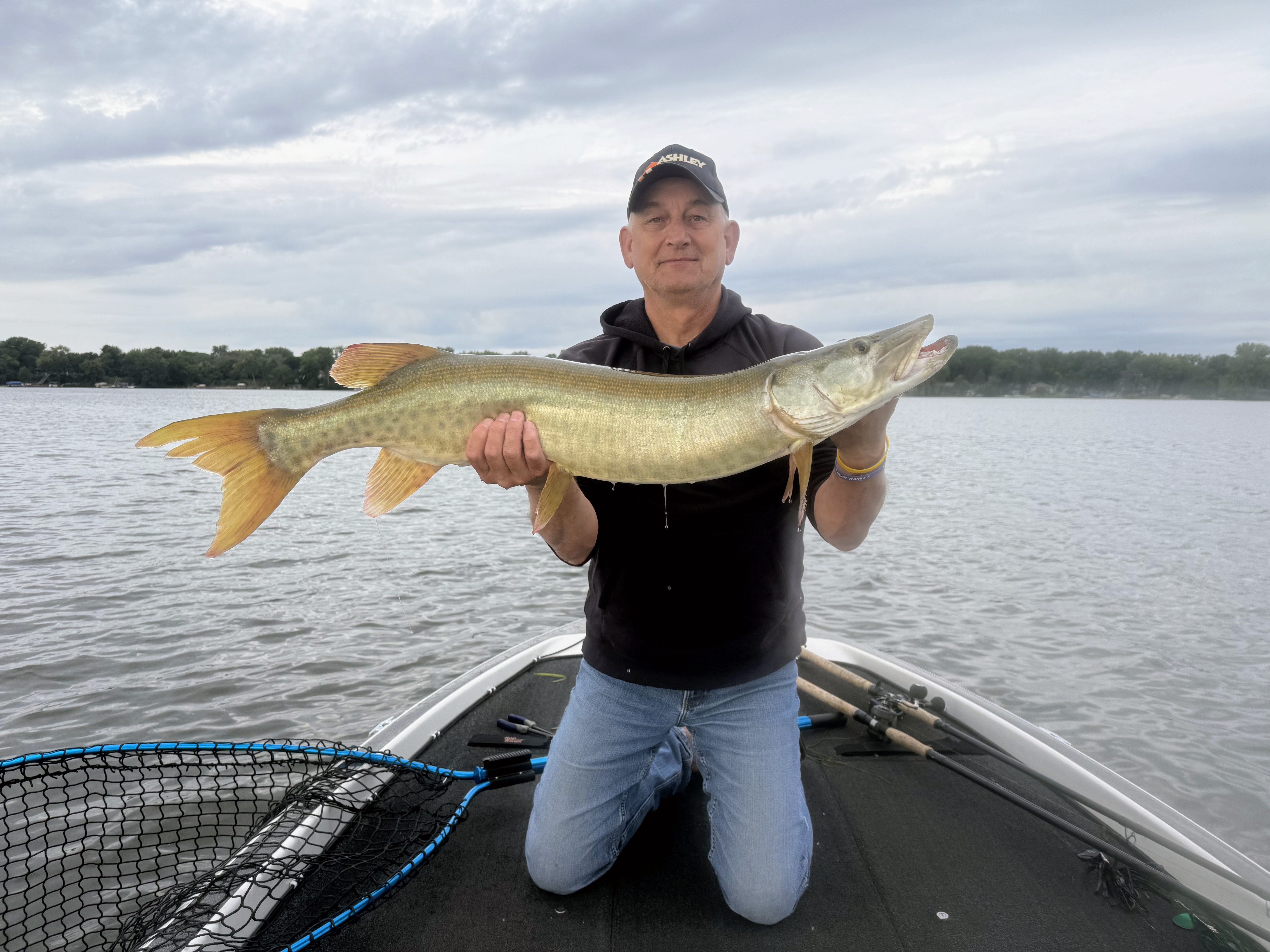
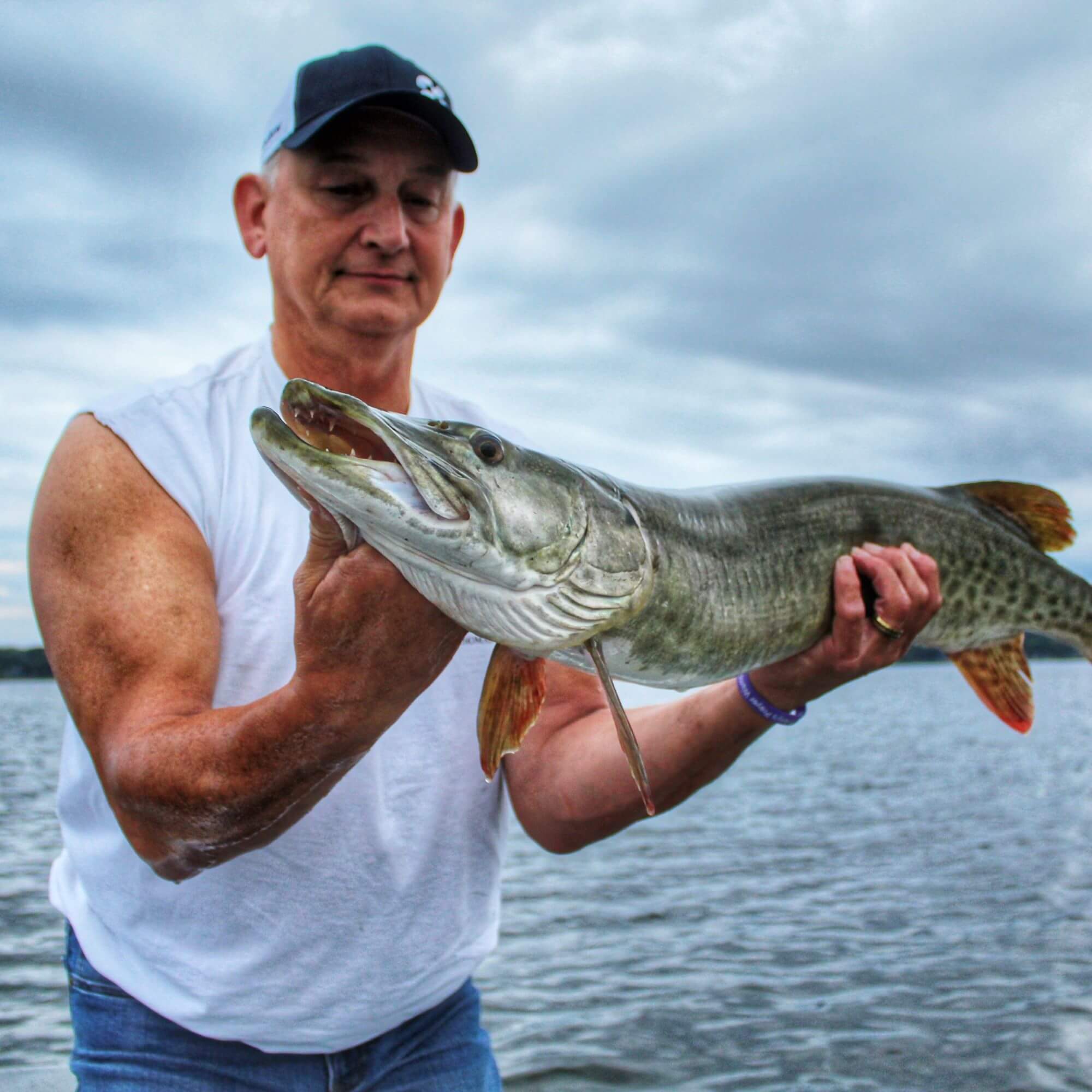
Temperatures slowly begin to cool, forage becomes more active, and muskies transition into one of their most aggressive feeding periods of the year. If you've been waiting for the perfect time to book a musky fishing trip, late August through early September is one of the highest-percentage windows of the season. Whether you're chasing your first musky or looking for the fish of a lifetime, understanding these seasonal movements can dramatically improve your odds. To shorten the learning curve, book a Minnesota guided Musky Fishing Trip. My schedule fills extremely fast for September so now is the time to book!
Why Late August is a Turning Point
During July and early August, many lakes experience their warmest water temperatures of the year. Muskies often feed in shorter windows and may spend much of the day suspended or resting.
By the second half of August, conditions begin changing:
- Slightly cooler nights
- Shorter daylight hours
- Increased oxygen levels
- More comfortable water temperatures
Even a small drop of just a few degrees can completely change musky behavior. Rather than feeding only during narrow windows, fish often become active multiple times throughout the day.
Cooling Water Means More Active Muskies
One of the biggest triggers during this period is cooling surface temperatures. When water begins dropping into the upper 60s and low 70s, muskies become noticeably more comfortable and willing to chase fast-moving presentations. This creates incredible opportunities to fish aggressively. Instead of waiting for one short evening bite, anglers often experience multiple feeding windows throughout the day.
Bucktails Become a Go-To Search Bait
Late August is prime time for burning bucktails. Large double-bladed bucktails allow anglers to cover massive amounts of water while triggering reaction strikes from active fish.
Focus on:
- Weed edges
- Rock transitions
- Saddle areas
- Deep cabbage
- Points
- Reef structures
Many muskies are actively roaming in search of perch, suckers, tullibees, and other baitfish. Fast-moving bucktails excel at finding these fish.
Why Bucktails Shine
- Cover water quickly
- Trigger reaction bites
- Excellent for locating active fish
- Great during cloudy or windy conditions
- Effective all day long
Topwater Action Can Be Incredible
Few experiences compare to watching a giant musky explode on a topwater bait. Late August and early September often provide some of the year's most consistent topwater fishing. Cooling nights allow fish to cruise shallow flats and weed edges throughout much of the day—not just during sunrise or sunset.
Some of the best areas include:
- Inside weed lines
- Sparse cabbage beds
- Large shallow sand flats
- Rock-to-weed transitions
- Wind-blown shorelines
Calm mornings and low-light evenings are excellent, but don't overlook overcast afternoons.
Wind Becomes Your Best Friend
As summer transitions toward fall, wind becomes increasingly important. Wind pushes baitfish. Bait attracts muskies. Some of the best fishing during late August occurs on wind-blown shorelines where bait is concentrated. Rather than avoiding windy conditions, experienced musky anglers actively seek them out.
Fish the Major Feeding Windows
Late August frequently produces longer feeding windows than midsummer.
Pay close attention to:
- Sunrise
- Moonrise
- Moonset
- Sunset
- Incoming weather systems
- Approaching cold fronts
These periods often produce explosive action. Planning your day around these windows can make a tremendous difference.
Big Fish Begin Showing Themselves
Although October often gets the spotlight, many trophy-class muskies are caught before September even arrives. Some of the biggest fish I encounter all season come during the early September transition when the biggest muskies in the lake have avoided pressure all summer long out in the open water and start to become more vulnerable in shallow water.
Late August fish are:
- Healthy
- Aggressive
- Feeding heavily
- Willing to chase moving baits
These fish are preparing for the coming fall feeding period. That makes this one of the best opportunities all season to connect with a true Minnesota giant.
Why Hire a Minnesota Musky Guide During This Time?
Late August offers outstanding fishing—but knowing where fish are transitioning is the real advantage. Every lake changes differently. Daily adjustments matter. A professional guide eliminates the guesswork by putting you on active fish based on current conditions, recent patterns, and years of experience. Instead of spending valuable vacation time searching, you'll spend more time casting to high-percentage spots and learning techniques that continue paying off long after your trip. Whether you're chasing your first musky or your personal best, guided trips consistently increase your chances of success.
Book Your Late Summer Musky Adventure
Late August and early September dates are some of the first trips to fill each season because experienced anglers know just how productive this time can be. If you're planning a Minnesota fishing vacation or simply want your best chance at landing a trophy musky, now is the time to reserve your trip before the calendar fills up. Musky Geek Guide Service specializes in putting anglers on active fish during these seasonal transitions using proven patterns, premium equipment, and years of experience on Minnesota waters.
Reserve your late August or early September musky trip today and experience one of the most exciting times of the season to catch the fish of a lifetime. Book Your Twin Cities Musky Trip Here
Want the information I don't post publicly?
This article is exactly why I created the Musky Geek email list.
I don't put every fishing observation, seasonal pattern, trip update or strategy on social media.
Email subscribers get the behind-the-scenes information — including what I'm seeing on the water, how conditions are changing, upcoming opportunities and the techniques I'm using as the season progresses.
If you want to stay ahead of the seasonal transitions instead of finding out about them after the fact:
[JOIN THE MUSKY GEEK EMAIL LIST →]
The best musky fishing of the season is getting closer.
Get on the water before the window closes.
-
Mid Summer Musky Tactics
Jun 1, 2026
Mid-Summer Muskie Tactics on Minnesota Metro Lakes
Mid-summer muskie fishing on Minnesota metro lakes can be some of the most misunderstood—and most rewarding—time of the season. When water temps climb and pleasure boat traffic peaks, muskies don’t disappear. They simply reposition. Understanding where these fish go and how to trigger bites is the key to consistent action during July and August.
Where Metro Lake Muskies Live in Summer
As water temperatures stabilize in the mid-70s, muskies on metro lakes often set up near deep weed edges, mid-lake structure, and shaded cover. Healthy cabbage beds, coontail, and milfoil remain top producers, especially where they intersect with quick access to deeper water. On heavily pressured lakes, muskies frequently slide deeper during the day, holding tight to inside turns, short weed points, or isolated clumps most anglers overlook. Early morning and evening remain prime feeding windows, but midday bites are absolutely possible—especially on overcast days or when wind pushes baitfish into structure.
Best Mid-Summer Muskie Presentations
Mid-summer is all about efficiency and triggering reaction strikes. These are the tactics that consistently put fish in the net on Minnesota metro waters:
Bucktails: Double 8s and 10s are hard to beat when covering water. Focus on weed edges and make long, clean retrieves. Speeding up can often trigger neutral fish in warmer water.
Topwater: Low-light conditions are prime time for prop baits and walk-the-dog style topwaters. Calm mornings and evenings around shallow weeds, docks, and flats can produce explosive strikes.
Rubber Baits: When fish are deeper or pressured, soft plastics shine. Slow-rolled Medussas and paddle-tails worked along breaklines are deadly during midday hours.
Crankbaits: Shallow-to-mid-depth crankbaits excel when muskies are relating to suspended baitfish or sparse cover. Trolling can also be effective on select metro lakes where regulations allow.
Boat Control and Figure-8s Matter More Than Ever
In summer, muskies often follow before committing. Perfect figure-8 mechanics at the boat are non-negotiable. Keep your speed up, corners wide, and transitions smooth. Many mid-summer muskies eat boatside, especially on pressured lakes where they’re conditioned to inspect baits closely. Boat control is just as important. Position your boat so your casts stay in the strike zone as long as possible, especially along deeper weed edges and contour breaks.
Timing Is Everything
Pay attention to weather changes. Cold fronts, approaching storms, and moon phases can all create short but intense feeding windows. Mid-summer muskies often feed in brief bursts, and being on the water at the right time makes all the difference.
Guided Musky Trips on Minnesota Metro Lakes
If you want to shorten the learning curve and put proven mid-summer muskie tactics to work, a guided trip can help you dial in seasonal patterns fast. From lure selection to precise boat positioning, fishing with a local musky guide gives you an edge on pressured Minnesota metro lakes.
Mid-summer isn’t a slowdown—it’s an opportunity. Fish smarter, adapt to conditions, and stay confident. The next strike could come at any cast.