-
Mid Summer Musky Tactics
Jun 1, 2026
Mid-Summer Muskie Tactics on Minnesota Metro Lakes
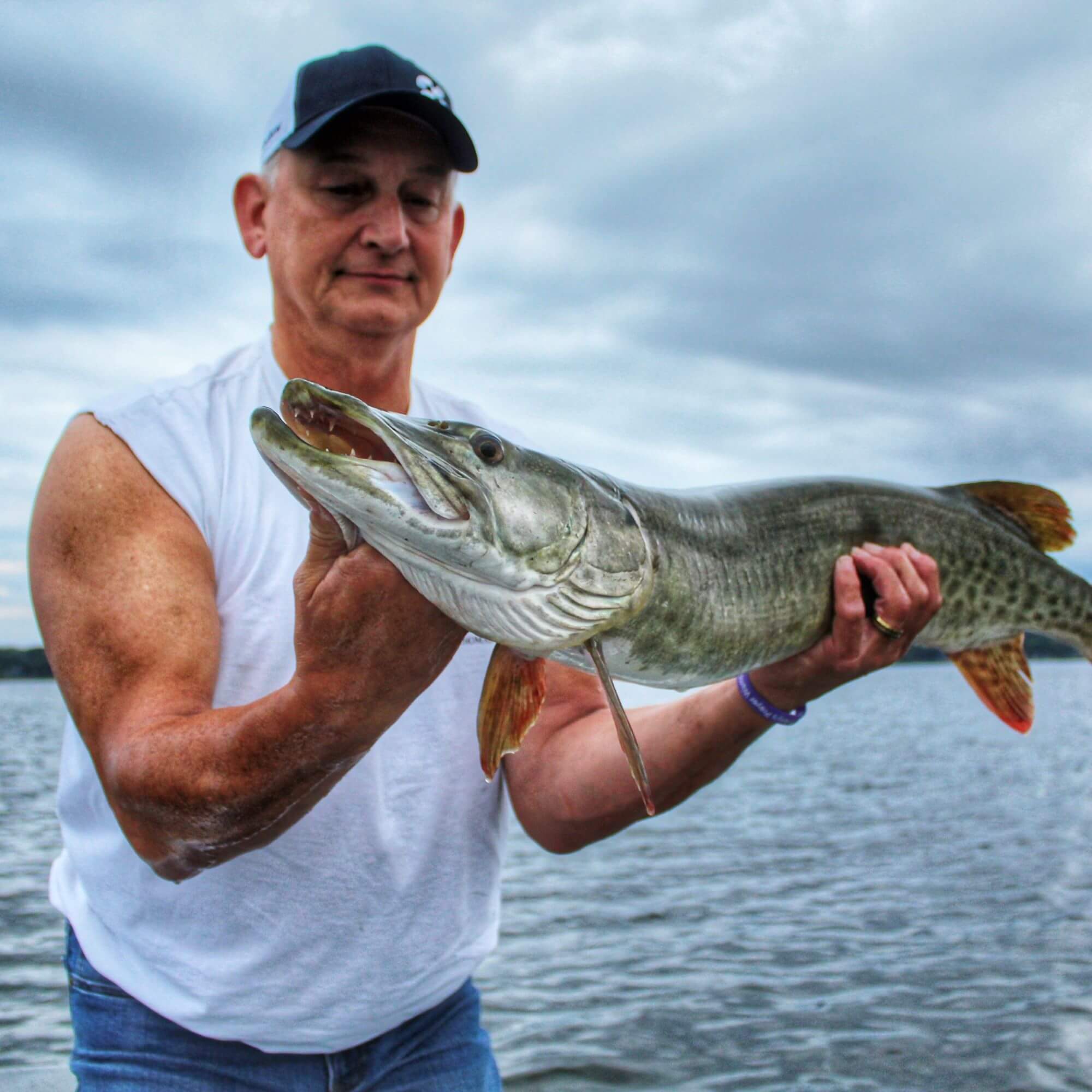
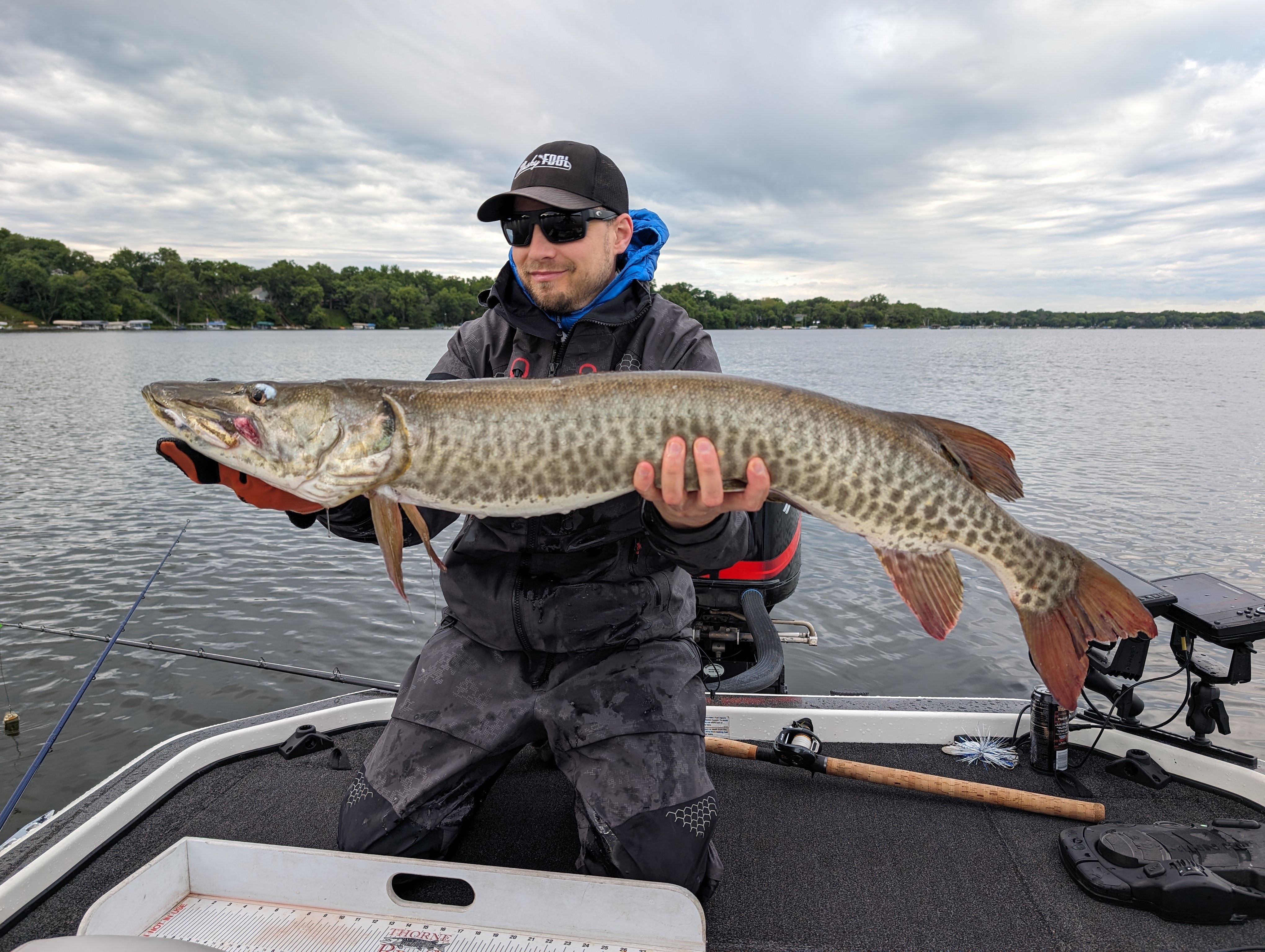
Mid-summer muskie fishing on Minnesota metro lakes can be some of the most misunderstood—and most rewarding—time of the season. When water temps climb and pleasure boat traffic peaks, muskies don’t disappear. They simply reposition. Understanding where these fish go and how to trigger bites is the key to consistent action during July and August.
Where Metro Lake Muskies Live in Summer
As water temperatures stabilize in the mid-70s, muskies on metro lakes often set up near deep weed edges, mid-lake structure, and shaded cover. Healthy cabbage beds, coontail, and milfoil remain top producers, especially where they intersect with quick access to deeper water. On heavily pressured lakes, muskies frequently slide deeper during the day, holding tight to inside turns, short weed points, or isolated clumps most anglers overlook. Early morning and evening remain prime feeding windows, but midday bites are absolutely possible—especially on overcast days or when wind pushes baitfish into structure.
Best Mid-Summer Muskie Presentations
Mid-summer is all about efficiency and triggering reaction strikes. These are the tactics that consistently put fish in the net on Minnesota metro waters:
Bucktails: Double 8s and 10s are hard to beat when covering water. Focus on weed edges and make long, clean retrieves. Speeding up can often trigger neutral fish in warmer water.
Topwater: Low-light conditions are prime time for prop baits and walk-the-dog style topwaters. Calm mornings and evenings around shallow weeds, docks, and flats can produce explosive strikes.
Rubber Baits: When fish are deeper or pressured, soft plastics shine. Slow-rolled Medussas and paddle-tails worked along breaklines are deadly during midday hours.
Crankbaits: Shallow-to-mid-depth crankbaits excel when muskies are relating to suspended baitfish or sparse cover. Trolling can also be effective on select metro lakes where regulations allow.
Boat Control and Figure-8s Matter More Than Ever
In summer, muskies often follow before committing. Perfect figure-8 mechanics at the boat are non-negotiable. Keep your speed up, corners wide, and transitions smooth. Many mid-summer muskies eat boatside, especially on pressured lakes where they’re conditioned to inspect baits closely. Boat control is just as important. Position your boat so your casts stay in the strike zone as long as possible, especially along deeper weed edges and contour breaks.
Timing Is Everything
Pay attention to weather changes. Cold fronts, approaching storms, and moon phases can all create short but intense feeding windows. Mid-summer muskies often feed in brief bursts, and being on the water at the right time makes all the difference.
Guided Musky Trips on Minnesota Metro Lakes
If you want to shorten the learning curve and put proven mid-summer muskie tactics to work, a guided trip can help you dial in seasonal patterns fast. From lure selection to precise boat positioning, fishing with a local musky guide gives you an edge on pressured Minnesota metro lakes.
Mid-summer isn’t a slowdown—it’s an opportunity. Fish smarter, adapt to conditions, and stay confident. The next strike could come at any cast.
-
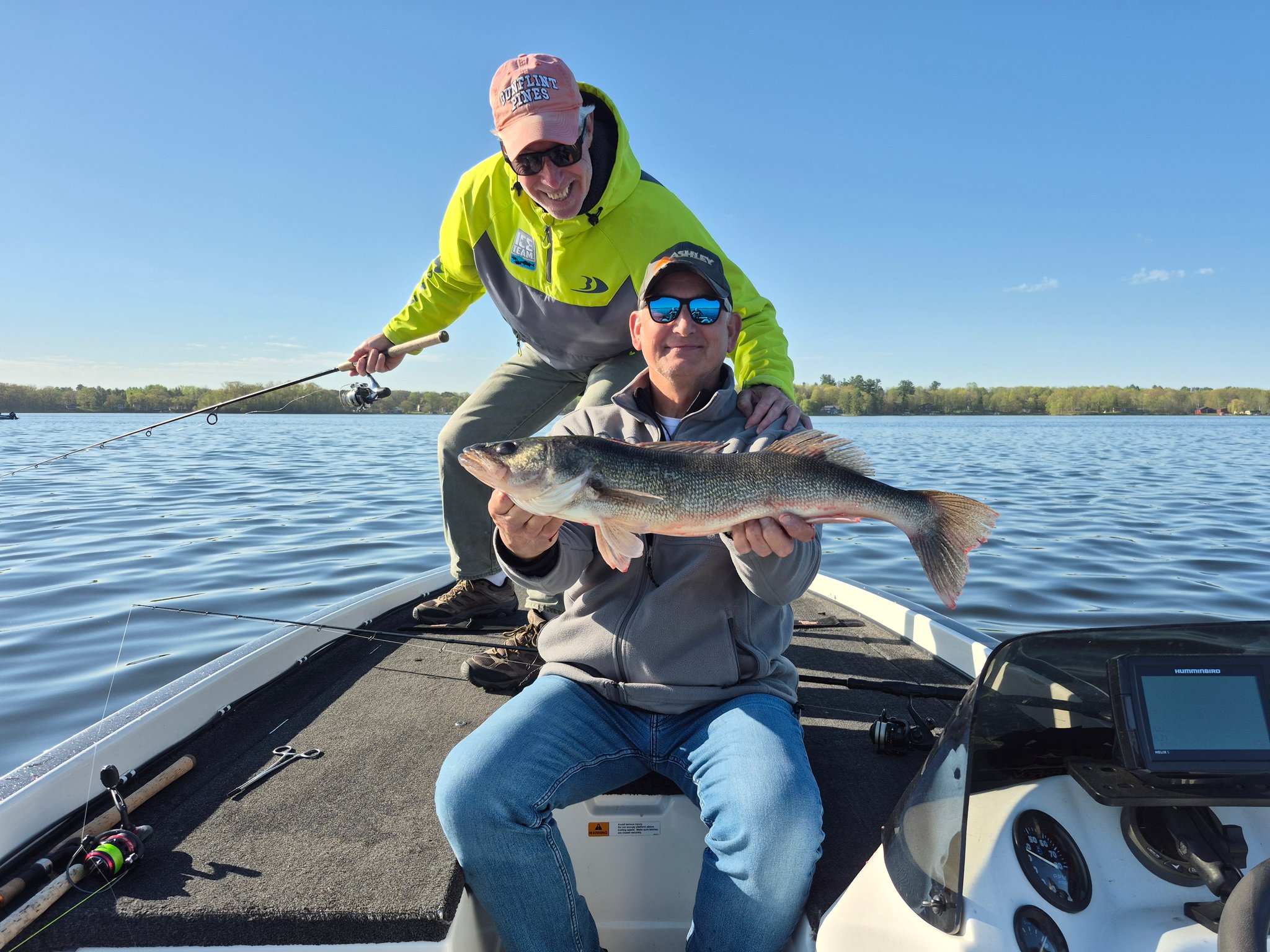
Early summer walleyes are sliding into aggressive feeding windows across Minnesota, and power fishing with a Jigging minnow style bait has been putting some serious numbers fish in the boat lately, and some big ones! My favorite is the Vexan Fishing Crystal Reaper. The best action has been coming in 10–12 feet of water, especially around hard-bottom transitions, scattered rock, and emerging weed edges.
Fish are reacting hard to aggressive snaps and quick cadences right now. Instead of slowing down and finesse fishing, covering water has been key to finding active schools. A sharp upward rip followed by controlled slack has been triggering reaction bites from fish that normally wouldn’t commit to live bait presentations.
Natural baitfish colors have been producing best in clearer water, while brighter patterns are getting attention during low-light periods or stained conditions. Most bites are happening on the fall, so staying focused on line jumps or sudden slack is critical.
Wind-blown shorelines and main lake flats with nearby depth changes have been holding the most consistent fish. The morning bite has been especially strong, but overcast days are keeping fish active longer throughout the afternoon.
A few key patterns making the difference right now:
- Focus on 10–12 foot zones with rock-to-sand transitions
- Cover water fast until active fish are located
- Snap the bait aggressively to trigger reaction bites
- Watch electronics closely for roaming fish just off bottom
- Stay mobile — schools are shifting throughout the day
The shallow Jigging Minnow pattern is only getting better as water temperatures climb, and it’s a great way to target aggressive walleyes while filtering through smaller fish. If the current trend continues, Minnesota anglers are in for an outstanding early summer bite. If you want to learn how to fish this style of power fishing, I have dates available.
-
Early Summer Muskie Tactics
May 25, 2026
Early Summer Muskie Tactics for Minnesota Metro Lakes
Early summer is one of the most underrated — and most consistent — muskie windows on Minnesota metro lakes. As water temperatures stabilize and forage settles into predictable patterns, muskies shift from post-spawn recovery to aggressive feeding. If you understand where they go and how they behave during this phase, early summer can produce some of the best action of the season.
Where Muskies Set Up in Early Summer
On Minnesota metro lakes, early summer muskies relate heavily to shallow structure adjacent to deep water. Weed growth is just reaching maturity, baitfish are using edges and pockets, and muskies take advantage of easy ambush opportunities.
Key early summer muskie locations include:
- Inside weed edges in 4–8 feet of water
- Newly topped-out cabbage beds
- Shallow points leading into basins
- Rock-to-weed transitions
- First breaks near spawning bays
Metro lakes warm quickly, so muskies often stay shallow longer than anglers expect — especially during low-light periods and stable weather.
Best Early Summer Muskie Presentations
Early summer is about covering water efficiently while triggering reaction strikes. Muskies are feeding often, but they won’t chase long distances unless conditions are right.
Bucktails and Spinnerbaits
Bucktails shine in early summer on metro lakes. Double-8s and smaller double-10s fished fast over weeds or along edges are excellent search baits. Focus on speed changes near turns, points, and thicker cover.Topwater Baits
Once water temps climb into the mid-60s, topwater becomes a major player. Prop baits and creepers worked over shallow weeds during mornings and evenings can draw explosive strikes. Calm, warm nights often lead to the best topwater bite.Glide Baits and Jerkbaits
When muskies are following but not committing, gliders and shallow jerkbaits shine. Work them slower along inside weed edges or through pockets. Early summer fish often eat on the pause.Boat Positioning Matters
On pressured Minnesota metro lakes, boat control can make or break your day. Stay off the structure and cast shallow whenever possible. Muskies cruising weed flats spook easily in clear water, especially during sunny conditions.
Focus on:
- Long casts parallel to weed edges
- Quiet boat movement
- Thorough coverage of high-percentage spots
Slowing down and making multiple passes often triggers fish that didn’t commit the first time.
Figure-8s Are Critical
Early summer muskies follow baits aggressively but often hesitate boatside. This is where perfect figure-8 execution turns follows into fish. Keep your bait moving, stay wide on turns, and change speed during the figure-8. Many early summer muskies strike right at the boat once they commit.
Timing the Bite
Weather stability is huge in early summer. The best muskie fishing on metro lakes typically happens:
- After 2–3 days of stable weather
- During warming trends
- Ahead of approaching fronts
- Early morning and evening hours
Cloud cover and light wind help extend shallow bites throughout the day.
Early Summer Is Prime Guide Season
Early summer muskie fishing on Minnesota metro lakes is predictable, exciting, and ideal for both experienced anglers and first-time muskie hunters. Understanding seasonal movements, dialing in the right presentations, and capitalizing on follows puts the odds heavily in your favor.
If you’re looking to shorten the learning curve and fish the best windows, hiring a local muskie guide during early summer can make all the difference.
-
Minnesota Walleye Report: Metro Area Walleye Fishing
May 20, 2026
The Minnesota walleye season is off to a great start here in the North Metro Area! We've been catching fish with a variety of techniques and a variety of locations. Jig/minnow, Lindy Rig/leech and slip bobber/leech combos have all worked well, but my top producing pattern, and by far my favorite way to target these spring walleyes is snap jigging either a #6 Rapala Rippin' Rap or a Vexan Fishing Titan 3/8 oz Blade bait. In this article, I'll breakdown the when, where, why and how to approach snap jigging hard baits for roaming walleyes!
Snap Jigging Walleyes with Rattling Baits: How I Catch Aggressive Fish Fast
When the ice leaves Minnesota lakes and the water start warming up, one of the most effective ways to trigger aggressive walleyes is snap jigging with lipless crankbaits like the Rapala Rattlin’ Rap or blade baits like the Vexan Fishing Titan. This technique covers water quickly, triggers reaction bites, and consistently catches larger fish during the spring feeding window. If you’ve ever watched walleyes ignore live bait but absolutely crush a vibrating bait ripped off bottom, you already know how deadly this presentation can be.
Why Snap Jigging Works
Spring walleyes are aggressive. Water temperatures are climbing, baitfish are active, and fish are recovering from the spawn. Instead of slowly dragging bait, snap jigging forces reaction strikes from fish that may not even be feeding heavily. The vibration, flash, and erratic fall of a rattling bait imitate wounded baitfish perfectly. In dirty water or windy conditions, the internal rattles help walleyes locate the bait fast The biggest advantage? You can locate active fish quickly instead of waiting them out.
Best Areas to Target
Areas I focus on:
- Shallow sand flats
- Windblown shorelines
- Rock transitions
- Base of breaklines
- Gravel bars near spawning areas
Most fish I'm finding are between 4–12 feet early in the season, especially during low-light periods or windy days. Walleyes relating to baitfish schools will often suspend slightly off bottom, which makes ripping a Rattlin’ Rap extremely effective.
My Go-To Snap Jigging Setup
The right rod matters more than most anglers realize. You need enough backbone to rip the bait cleanly while still having a responsive tip to feel the bait vibrate and detect subtle bites on the fall. For this technique, I recommend a medium-light to medium power spinning rod around 7’–7’6” with a fast action. One of my favorite setups is the 7'-4" Medium Vexan Walleye Series rod paired with a 2500-size spinning reel and 10-pound braid connected to a fluorocarbon leader.
That combination gives:
- Excellent sensitivity
- Better hook penetration
- More control over ripping cadence
- Reduced fatigue during long days casting
- Perfect flex to keep fish pinned
Best Rattlin’ Rap Colors for Walleyes
Color selection matters depending on water clarity and weather conditions.
Clear Water:
- Chrome Blue
- Silver
- Natural Perch
- Glass Shad
Dirty or Stained Water:
- Firetiger
- Gold Fluorescent Red
- Orange Craw
- Purpledescent
Bright colors excel during windy conditions when visibility is reduced.
The Snap Jigging Retrieve
The retrieve is simple, but cadence matters.
Here’s the basic sequence:
- Cast long over structure
- Let the bait hit bottom
- Rip the bait upward sharply 1–3 feet
- Follow slack line back down
- Pause briefly
- Repeat
Most bites happen on the fall, or when it hits bottom. A lot of fish will try to pin the bait on the bottom. Sometimes the strike feels like a “tick” other times your line simply stops before reaching bottom. Set the hook immediately anytime something feels different. One mistake many anglers make is overworking the bait. In colder water, shorter snaps and longer pauses often outperform aggressive ripping.
Boat Positioning is Critical
Wind is your friend when snap jigging walleyes. I usually position the boat upwind and drift naturally across flats or breaks while fan casting. This keeps the bait moving naturally and helps cover water efficiently. When there is a breeze, I will start my pass downwind and work up aginst the wind, using my Minn Kota Terrova to zig-zag along breaklines and flats, also using electronics to locate baitfish schools dramatically increases success rates. If you mark fish but they won’t commit, downsizing your bait or slowing your cadence can make a huge difference.
When Snap Jigging Outperforms Live Bait
There are days when minnows simply cannot compete with a reaction bait presentation.
Snap jigging shines when:
- Fish are scattered
- Wind creates stained water
- Water temperatures rise quickly
- Active baitfish are present
- You need to cover water fast
It’s also one of the best ways to target larger, more aggressive walleyes.
Final Thoughts
Spring is one of the best times of year to target walleyes with aggressive presentations, and few techniques are as exciting as snap jigging a Rattlin’ Rap. The strikes are violent, the fish are active, and the technique consistently produces quality fish throughout the Midwest. With the right cadence, proper rod setup, and confidence in the presentation, you’ll quickly understand why so many serious walleye anglers keep a lipless crankbait tied on all spring long.
If you want to learn how to snap jig for walleyes, I have guide dates available! This snap jigging pattern will last most of the open water season so don't miss out on this action packed bite!
-
Post Spawn Open Water Muskies
May 18, 2026
Post-spawn musky fishing on Minnesota metro lakes is one of the most overlooked opportunities of the season. Once muskies finish spawning and slide out of shallow back bays, they don’t disappear—they reposition into nearby open water where food, oxygen, and recovery zones overlap. Understanding this transition is the key to consistent early-season success.
On metro lakes, post-spawn muskies typically move to the first breaks outside spawning areas. Look for emerging weed edges, inside turns, shallow rock flats adjacent to deep water, and subtle mid-lake structure close to spawning bays. These fish are recovering and feeding opportunistically, not roaming randomly. Small pods of baitfish, warming surface temps, and light wind-driven current all concentrate muskies in predictable open-water locations.
Speed control is critical during the post-spawn window. Muskies are willing to eat, but they’re rarely in full chase mode yet. My go-to bait is some sort of rubber bait, like a Medussa, Swimming Dawg, or Tubes. Another bait I've been playing around with is hopping a Dyin' Dawg. Long pauses, controlled turns, and clean figure-8s at the boat matter more now than any other time of year—many metro muskies commit late during post-spawn conditions.
Timing also plays a major role. Stable weather, warming trends, and low-light periods consistently outperform bright, high-pressure days. Early mornings and evenings shine, especially when light wind pushes bait onto structure. On pressured metro lakes, precision and efficiency beat covering water fast.
Post-spawn open water fishing rewards anglers who understand musky movement—not just spots. If you want to shorten the learning curve and capitalize on this prime early-season bite, a guided trip can put you on the right water at the right time.