-
When it comes to musky fishing, there are countless variables that affect success. Weather, water temperature, moon phase, forage location, and fishing pressure all play a role. However, one factor consistently separates anglers who occasionally catch muskies from those who regularly put fish in the net: understanding major and minor feeding windows. If you've ever had a day where nothing seemed to happen for hours and then suddenly multiple fish appeared within a short period, you've experienced a feeding window firsthand.
What Are Major and Minor Feeding Windows?
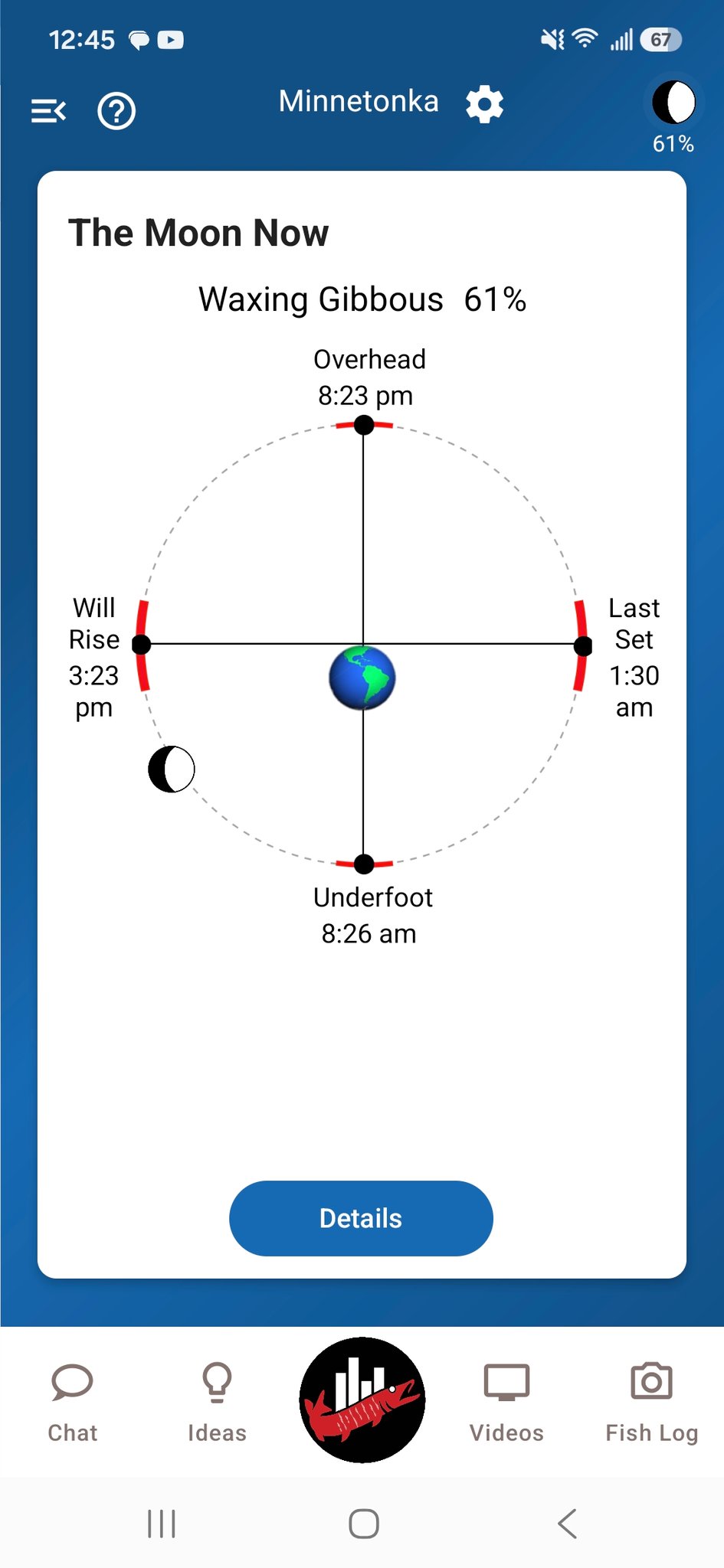
Major and minor feeding windows are periods of increased fish activity influenced primarily by moon position and gravitational forces. Major feeding periods occur when the moon is directly overhead or directly underfoot relative to your location. These windows typically last around two hours and often trigger the strongest feeding activity of the day. During a major feeding window, muskies frequently become more aggressive, move shallower, and are more willing to commit to a bait.
Minor feeding periods occur when the moon is rising or setting. These windows are generally shorter, lasting approximately one hour. While not typically as powerful as a major, minor windows can still produce trophy fish and often trigger follows, strikes, and increased activity.
Why Feeding Windows Matter
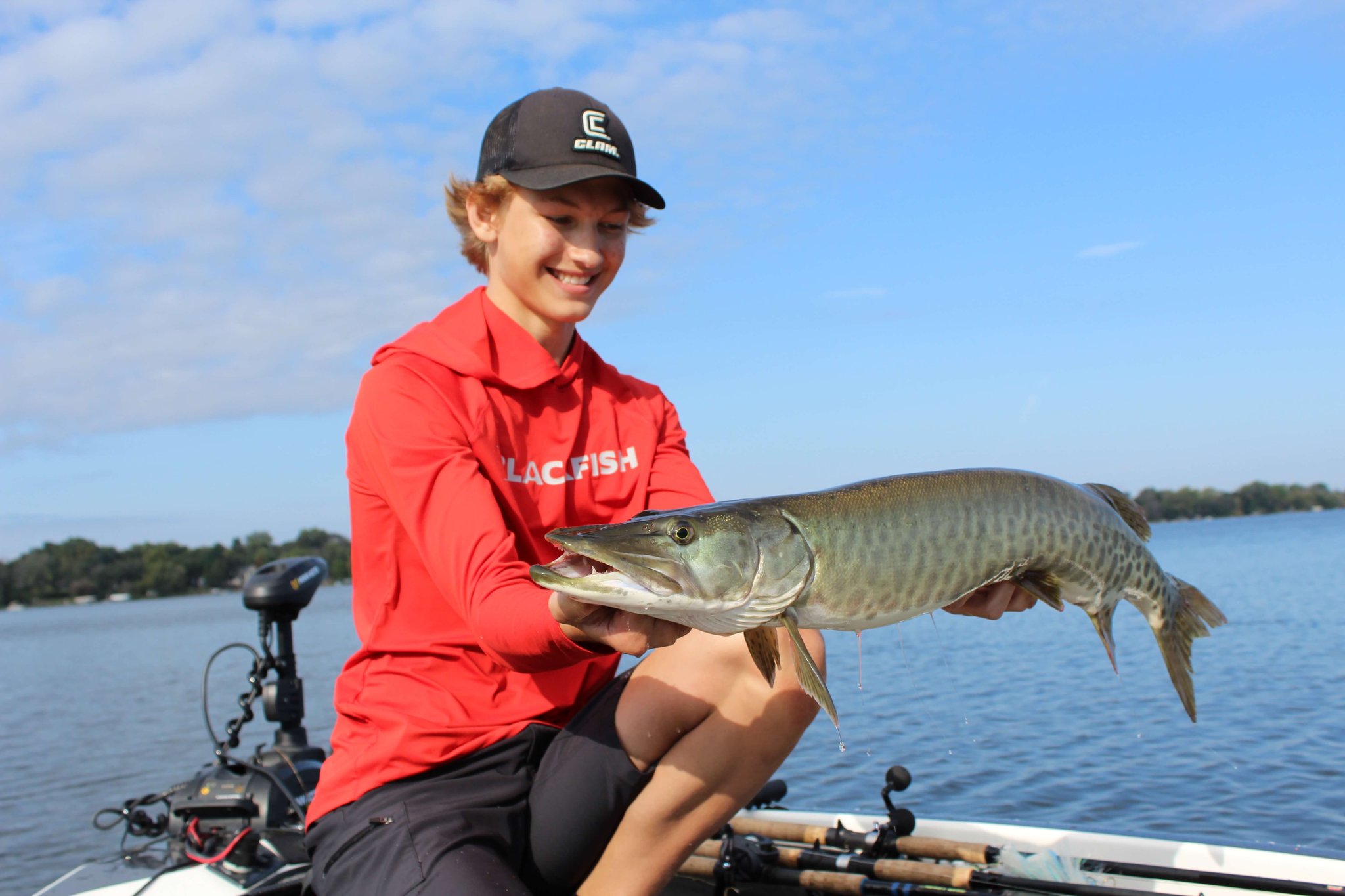
Muskies are famous for their unpredictability. Unlike many species that feed consistently throughout the day, muskies often feed in short bursts. You may fish an entire lake for several hours without seeing a fish, only to encounter multiple muskies in a 30-minute span. This isn't coincidence.
Feeding windows frequently act as triggers that cause muskies to move and feed, especially during difficult conditions such as:
- Post-frontal weather
- Bluebird skies
- High fishing pressure
- Extreme heat
- Cold fronts
- Midday periods
Many experienced musky anglers plan their entire day around being on their best spots during these windows.
Position Yourself for Success
One of the biggest mistakes musky anglers make is running around the lake during feeding windows. Instead of searching for fish when a window approaches, focus on fishing your highest-confidence locations.
Prime areas include:
- Weed edges
- Rock points
- Reef structures
- Saddle areas
- Deep weed lines
- Current-related structure
When a major or minor window arrives, you want your lure in front of active fish—not your boat running across the lake.
Windows Don't Guarantee Fish
A common misconception is that feeding windows guarantee action. They don't. Think of feeding windows as increasing the odds. If you're fishing poor locations, using ineffective presentations, or targeting inactive fish, a feeding window may not save the day. However, if you're already around muskies, feeding windows can be the trigger that converts follows into eats.
How Weather and Feeding Windows Work Together
The most productive musky days often occur when favorable weather aligns with a major feeding period.
Examples include:
- Incoming storms during a major
- Stable weather and cloud cover during a minor
- Wind shifts near moonrise
- Falling barometer during moon overhead
When multiple triggering factors stack together, musky activity can increase dramatically. These are often the days when multiple fish are contacted and trophy muskies hit the net.
The Guide's Advantage
As a Minnesota musky guide, I track major and minor feeding windows every day on the water.
While feeding windows are never the only factor I consider, they help determine:
- Which spots to fish
- When to slow down
- When to speed up presentations
- Where to position clients during peak activity periods
Many of our biggest fish each season are caught within minutes of a major or minor feeding period.
Book a Minnesota Musky Fishing Trip
Understanding feeding windows can dramatically improve your musky fishing success, but experience on specific lakes makes an even bigger difference. At Musky Geek Guide Service, I combine seasonal fish movements, weather conditions, lake-specific patterns, and major/minor feeding windows to maximize your opportunities at a trophy Minnesota musky.
Ready to learn how to consistently put yourself in front of active muskies?
Whether you're chasing your first musky or your next trophy fish, we'll help shorten the learning curve and put you on productive water.