-
Minnesota Crappie Fishing: May Crappie Tactics
Feb 28, 2026
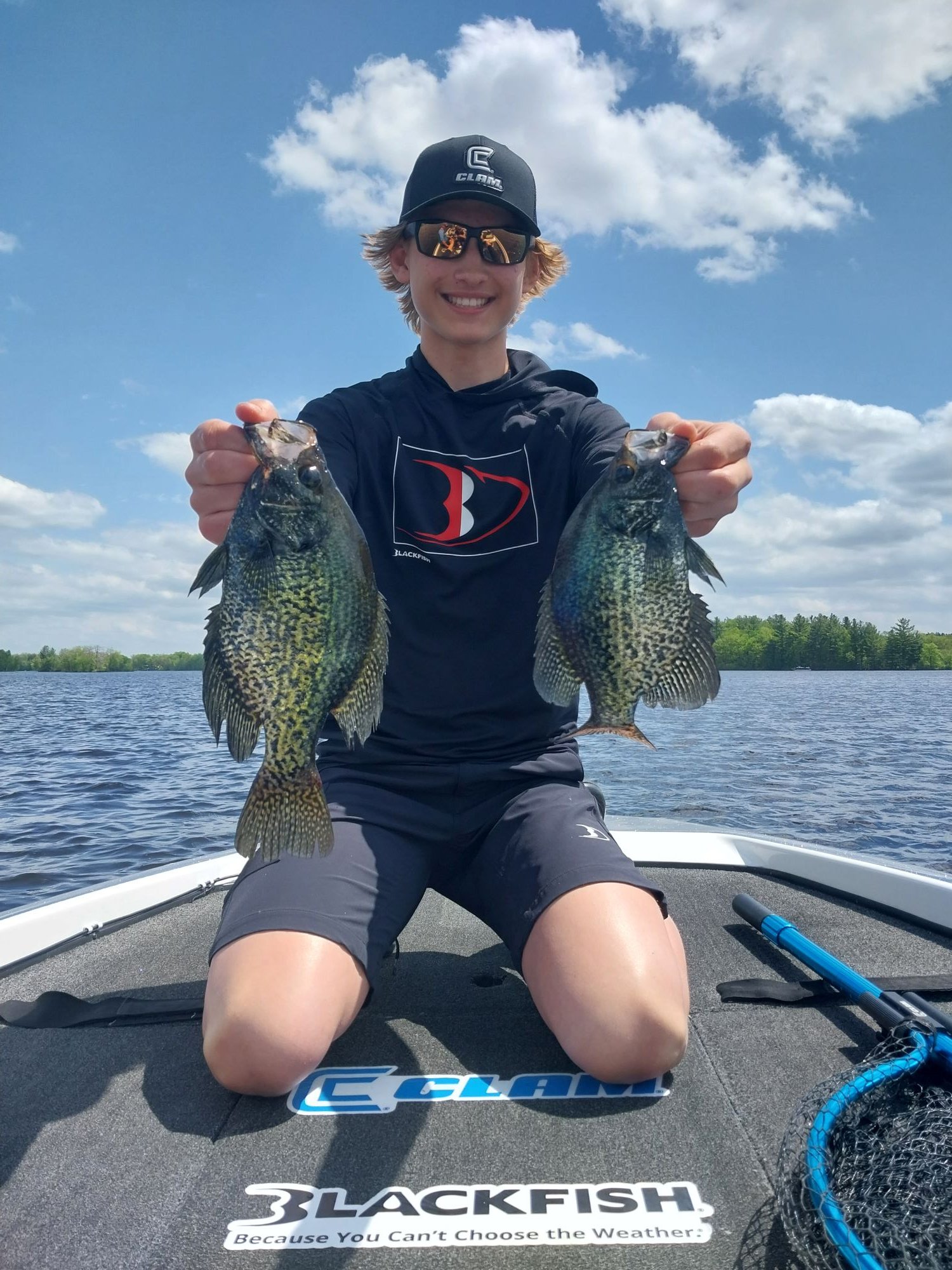
May is one of the best months of the year for spring crappie fishing on metro lakes. As water temperatures climb into the upper 50s and 60s, crappies move shallow to spawn, making them accessible and aggressive for anglers who know where to look.
Where to Find Crappies in May
On metro-area lakes, crappies typically stage and spawn in 2–6 feet of water. Focus on:
- Shallow bays and pockets protected from wind
- Reed beds, bulrushes, and pencil reeds
- Shoreline brush, fallen trees, and docks
- Dark-bottom areas that warm quickly
Early and late in the day, crappies often slide even tighter to cover, while mid-day fish may hold just outside spawning areas.
Best Spring Crappie Presentations
In May, slow and subtle presentations are key:
- Small jigs (1/32–1/16 oz) with soft plastics
- Live minnows under a slip float
- Vertical jigging along cover from a boat
Keep your jig just above the fish—crappies feed upward, especially in shallow water.
Boat Positioning and Stealth
Metro lakes see heavy fishing pressure in spring. Keep noise to a minimum, use your trolling motor on low, and make long casts when possible. Precise boat control often makes the difference between a good day and a great one.
Why May Is Prime Time
Stable weather, predictable fish movement, and shallow water combine to make May ideal for both beginners and experienced anglers. With the right tactics, limits can come quickly on metro lakes.
If you’re looking to shorten the learning curve, guided spring crappie trips offer the fastest way to dial in seasonal patterns and put more fish in the boat.
-
Spring crappie fishing on metro-area lakes can be outstanding if you’re using the right soft plastics. As water temps rise and crappies slide into shallow bays, canals, and weed edges, subtle presentations and natural profiles consistently outproduce everything else. For clients fishing with me on metro lakes in spring, three soft plastic styles dominate: paddle tails, baby shads, and tubes.
Paddle Tail Soft Plastics
Small paddle tail plastics are deadly during spring because they provide action at slow speeds. In cold to mid-40s water temperatures, crappies want a bait that moves without being overworked. A 1.5–2 inch paddle tail rigged on a light jig head creates just enough thump to trigger bites when fish are staging along emerging weeds or suspended near docks.
Best colors: white, pearl, chartreuse, and natural shad
Best retrieves: slow swim or steady glide through coverBaby Shad Plastics
Baby shad-style soft plastics are a staple for spring crappie fishing on pressured metro lakes. Their slim profile closely matches young-of-the-year baitfish and insects crappies feed on early in the season. These plastics excel when fish are neutral or lightly negative, especially in clear water conditions.
Best rigging: cast and slow retrieve or slow pendulum swing under a float
Where they shine: weed edges, falllen timber, and basin transitionsTube Jigs for Spring Crappies
Tube jigs remain one of the most versatile soft plastics for spring crappie fishing. Their hollow body and subtle tentacle movement make them perfect for cold fronts and finicky fish. Tubes are especially effective when pitched into shallow cover like reeds, brush, or boat slips.
Ideal sizes: 1–1.75 inches
Top colors: black/chartreuse, pink/white, glowFinal Thoughts
Matching soft plastics to spring crappie behavior is key to consistent success on metro lakes. Paddle tails cover water, baby shads shine in finesse situations, and tubes catch fish when nothing else will. If you want to shorten the learning curve and stay on active crappies all spring long, fishing these soft plastics the right way makes all the difference.
Looking to dial in your spring crappie bite? Book a guided trip and fish proven metro-lake patterns from ice-out through post-spawn.
-
Minnesota Crappie Fishing: Metro Springtime Slabs
Feb 14, 2026
Where to Find Spring Crappies in Minnesota Metro Lakes
Spring is prime time for crappie fishing in the Minnesota metro area. As ice-out arrives and water temperatures creep into the low-to-mid 40s, crappies begin their predictable spring migration. Knowing where to look in metro lakes can mean the difference between a slow day and a full livewell.
Early Spring Crappie Locations (Ice-Out to Pre-Spawn)
Right after ice-out, crappies move shallow—but not randomly. In Twin Cities metro lakes, focus on:
- North-facing bays that receive the most sunlight
- Shallow flats (4–8 feet) near deeper basin access
- Dark-bottom areas that warm faster
- Emerging weeds, reeds, and cattails
Metro lakes warm quickly compared to northern Minnesota waters, so crappies often push shallow earlier than many anglers expect.
Best Structure to Target in Metro Lakes
Spring crappies relate heavily to structure during warming trends. Productive areas include:
- Newly emerging weed beds
- Old dead reed beds
- Fallen trees near shore
- Docks and boat lifts
- Channel edges entering spawning bays
On calm, sunny days, crappies will slide extremely shallow. During cold fronts, they often back out slightly to nearby breaks or suspend off structure.
Water Temperature Matters More Than Depth
In spring, water temperature is more important than depth. Once temps hit 48–55°F, crappies stage near spawning areas. When temperatures approach the low 60s, they move into spawning pockets with minimal current and protection from wind.
Best Metro Lakes for Spring Crappies
Many Minnesota metro lakes offer excellent spring crappie fishing, especially those with:
- Healthy shallow vegetation
- Soft-bottom bays
- Limited water clarity (warms faster)
Pressure can be heavy, but fish behavior stays consistent year after year.
Spring Crappie Fishing Tips
- Fish slow and shallow
- Use light jigs, plastics, or live minnows
- Watch your electronics for suspended fish
- Be mobile—crappies roam in spring
Final Thoughts
Spring crappie fishing in Minnesota metro lakes is short, aggressive, and incredibly productive if you know where to look. Target warming shallow water, key structure, and adjust daily based on conditions.
If you want to maximize your spring bite, fishing with a local guide can shorten the learning curve and put you on fish fast.
Book a spring crappie trip now and take advantage of the best bite of the year.
-
Spring Crappie Bite
Apr 21, 2025
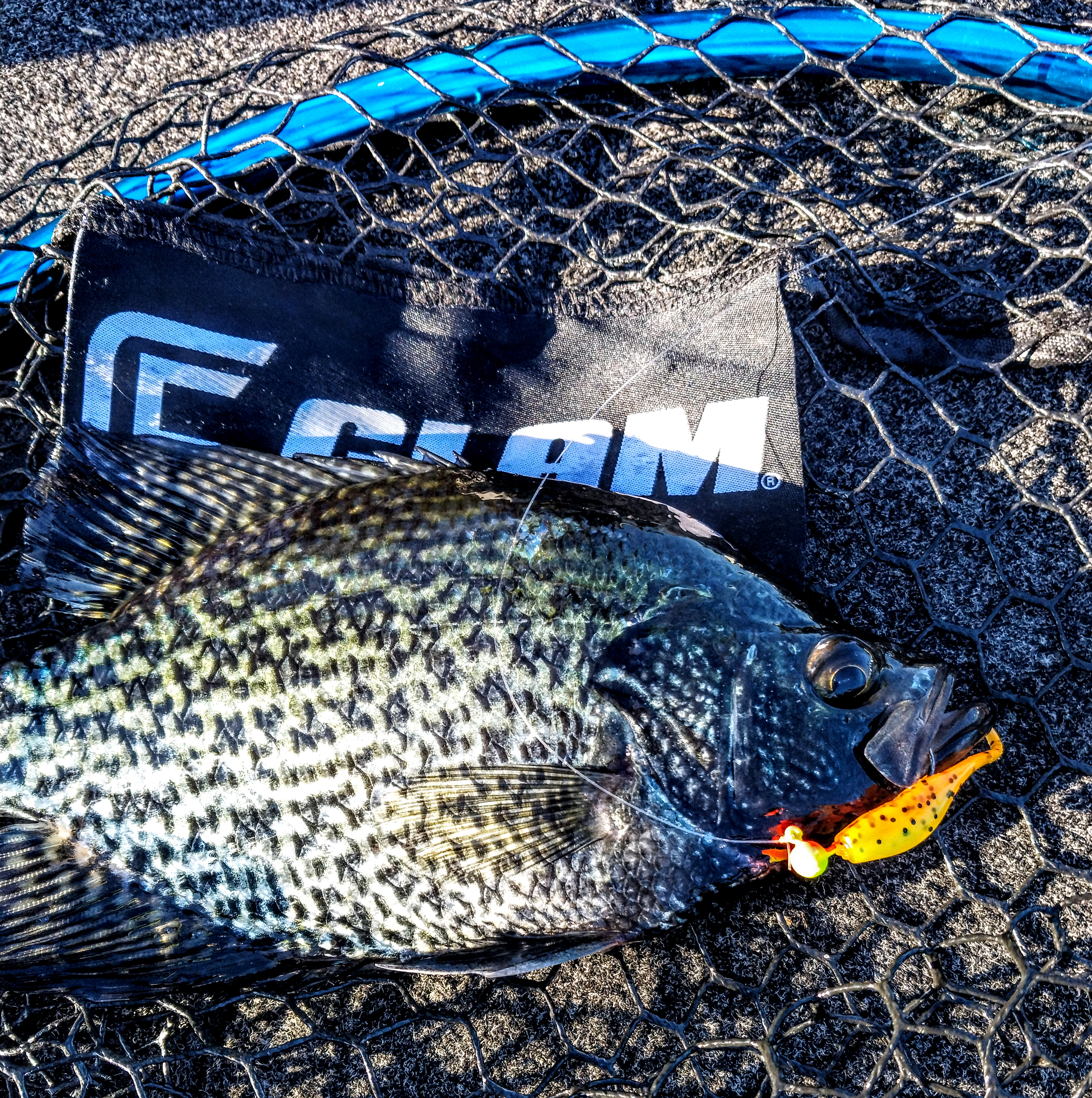
The weather has not been ideal lately, with lots of weather changes, cold mornings and rain, but we're still managing to catch some crappies. The water on this particular section of the lake started out at 50.7 degrees in the morning and by early afternoon it was up to 52 degrees. The crappies were sitting in about 7 feet of water around healthy weed patches. If your jig wasn't right over the weeds, you weren't getting bit. A jig and Clam Niku plastic under a bobber was the prefered tactic. If we could string together a few really nice days with sun and little or no wind, these crappies will be on fire! Book your spring crappie guide trip before it's too late.
-
Spring Crappie Gear
Apr 3, 2025
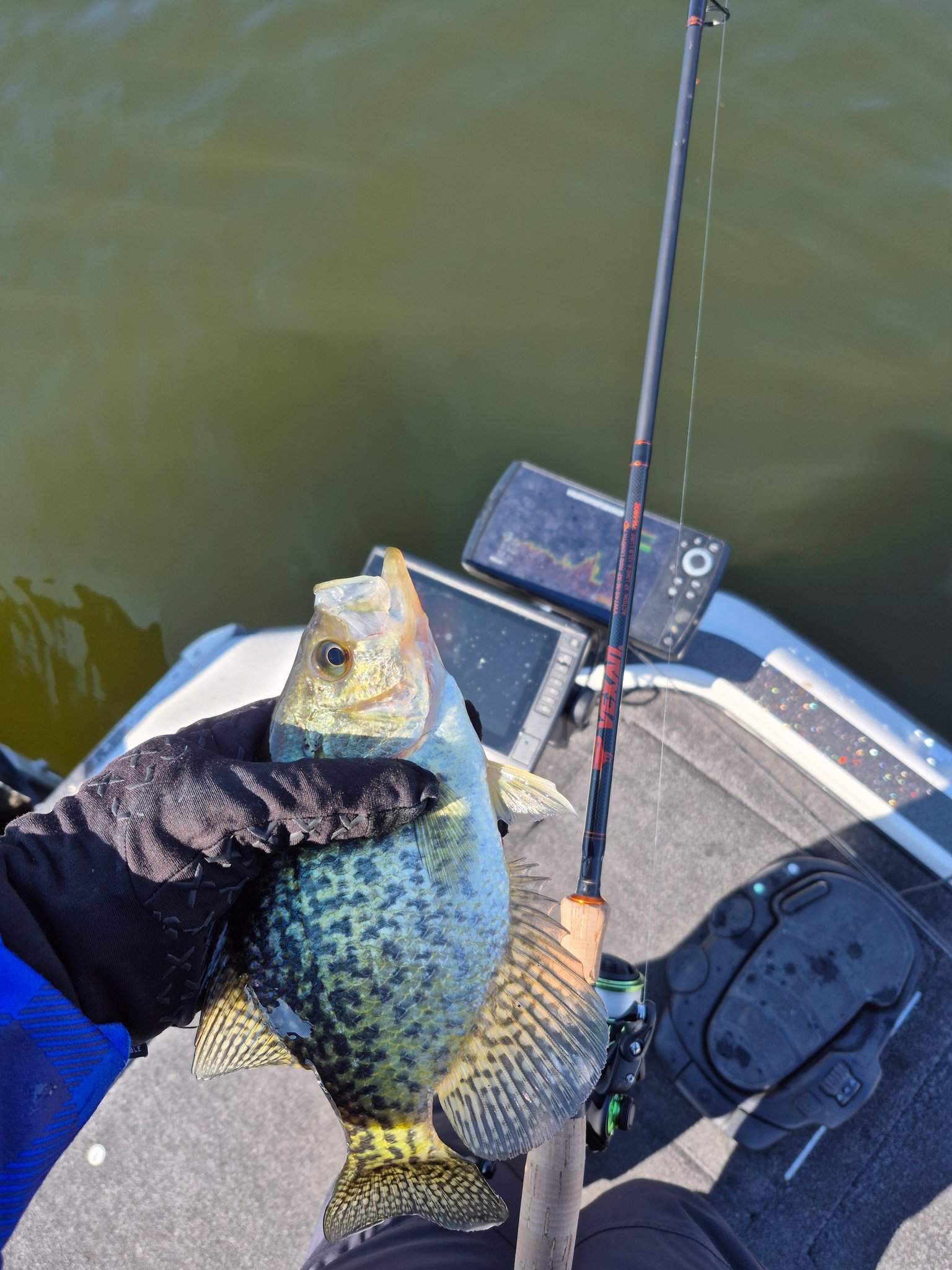
Spring crappie fishing will be in full force soon, and it's time to get all geared up with the right equipment! First is rod choice, to me it's always the most imprtant piece of your equipment. My rod choice will vary a little bit depending on fishing technique. If I'm casting and retrieving a jig and plastic or a hair jig, I will always go with a rod that is a graphite blank. I'm always going to go with a longer rod as well, this will help with longer casts and as well as working as a shock absorber so you don't tear the hook from their soft mouths. My rod choice is a Vexan Fishing 7'4 ML in the Walleye Series, for almost all of my crappie fishing. My second choice is the Vexan Fishing Crappie Series, 7'2 light, this rod is what I use when I'm using a jig and float combo. Pair these rods with a 1000 size reel and 6 pound mono line and you're ready to fish.
Next is tackle, a lot of times this will depend on how far along they are in the spawn movements. If they are still staging a little deeper at the start of the spawn transition, I will go with the exact jig and plastic combo I was using during my last ice fishing outing. one of my favorites is a Clam Outdoors Drop XL and Clam Outdoors Maki Plastic or Niku Plastic, these are a super deadly combination that I fish under a float. When the fish move into the shallows, I will have a variety of baits going when I have guide clients with me. I'll have some jigs under a float, working it back to the boat. Another option I will have in the water is a small crappie swimbait, like a Bobby Garland Baits Stroll'R plastic or Shad plastic. with a slow retrieve, these baits will get crushed.
These spring crappies are loads of fun with tons of action! On a nice spring day the you can catch so many crappies which makes it a great option to introduce kids to the sport. Crappies are an extremely popular fish to keep for a fish fry, just remember, DO NOT overharvest, a few fish can go a long way! Keep a few 9-11 inch fish and let the big ones go so their genetics can get passed down and keep the lake staying strong with eaters and trophy caliber fish.