-
Minnesota Musky Lake Study: How to Find Musky Spots Before the Season Starts
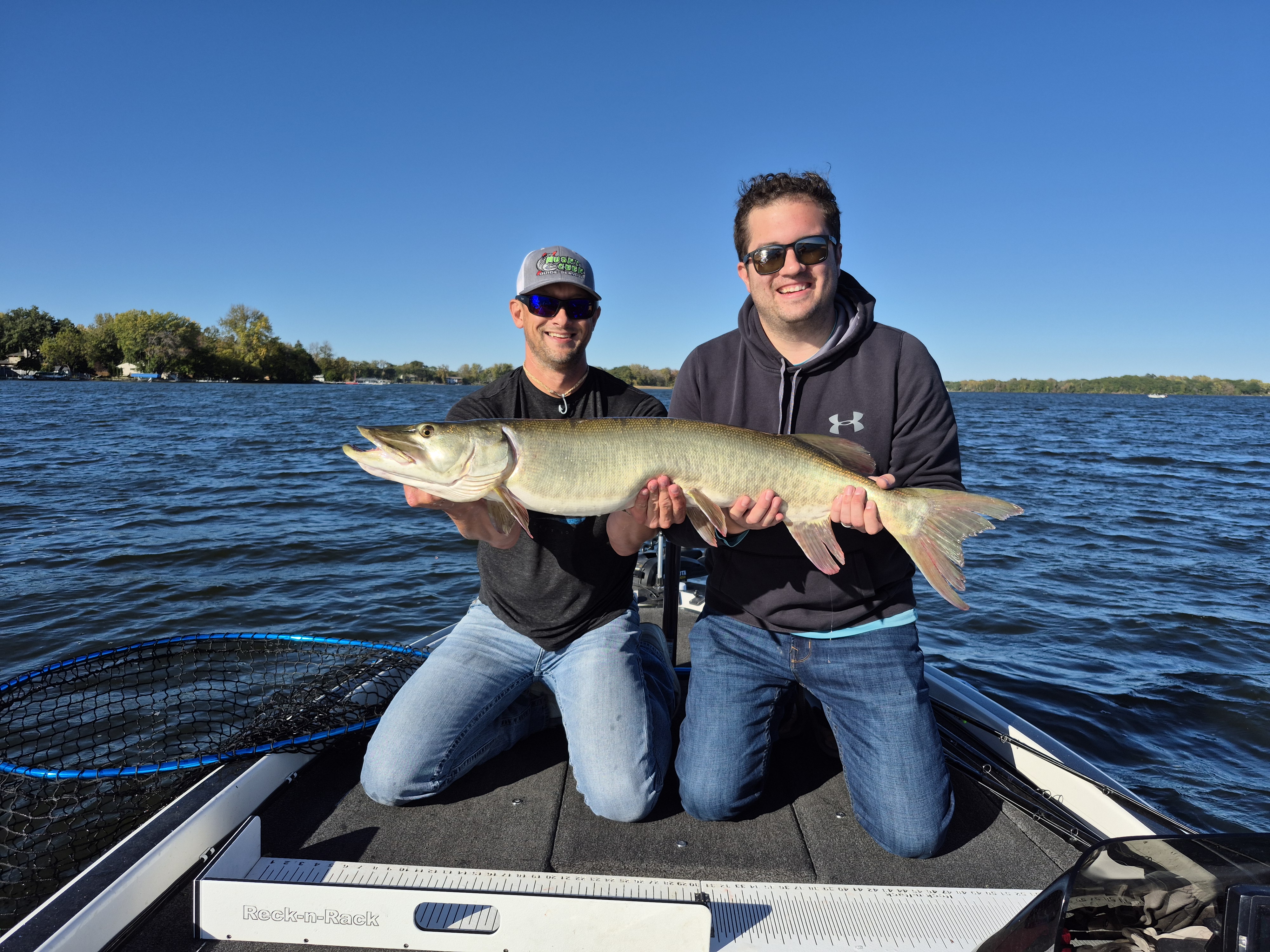
Successful musky fishing in Minnesota doesn’t start on opening day—it starts months earlier. While the lakes are still frozen, experienced musky guides are already breaking down maps, reviewing past data, and identifying high-percentage areas long before the first cast of the season.
This preseason lake study process is one of the biggest differences between anglers who hope to find muskies and those who consistently contact them. In this article, we’ll break down how Minnesota musky guides study lakes before the season starts, what to look for, and how this preparation leads to more fish once the ice is gone.
Why Preseason Lake Study Is Critical for Minnesota Musky Fishing
Minnesota’s musky season is limited, and early-season opportunities can be some of the best of the year. Fish are often shallow, predictable, and concentrated—but only if you know where to look.
Preseason lake study allows you to:
- Eliminate unproductive water before the season begins
- Build a milk run of high-percentage spots
- Fish with confidence instead of guessing
- Capitalize on early-season patterns immediately
- Guides rely on this process so clients aren’t “donating casts” during prime windows.
- Start With High-Quality Lake Maps and GPS Data
The foundation of musky lake study begins with detailed mapping.
Focus on:
- Contour maps with tight depth changes
- Side-scan and sonar history (if available)
- Marked weed edges and basins
- Known forage zones
Modern digital maps make it easy to identify structure, but the key is understanding why certain features attract muskies—not just where they are.
Identify Spawning Areas and Early-Season Movement Routes
In Minnesota, musky behavior early in the season is closely tied to spawning and recovery.
During winter lake study, identify:
- Shallow bays with dark bottoms
- Protected areas with minimal current
- Nearby access to deeper water
- Subtle channels leading out of spawning zones
These areas often serve as early-season feeding and staging locations once water temperatures rise.
Break Down Weed Growth Potential Before Ice-Out
Weeds are one of the most important factors in musky location, especially on Minnesota lakes.
Before the season:
- Look for flats that historically grow early weeds
- Identify inside turns and fingers on weed edges
- Note hard-bottom areas mixed with vegetation
Understanding where weeds will grow is just as important as knowing where they were last year.
Focus on Transitions, Not Just Structure
Pressured Minnesota muskies often relate to subtle changes rather than obvious spots.
Key transitions to mark during lake study:
- Weed-to-rock changes
- Sand-to-muck edges
- Hard-bottom patches within weeds
- Depth changes that don’t show clearly on maps
These areas are easy to overlook but frequently hold fish—especially once pressure increases.
Build a Seasonal Milk Run Before the Opener
Don’t wait until opening day to decide where to fish.
During winter:
- Mark primary and secondary spots
- Group locations by season and conditions
- Plan rotation routes to avoid burning spots
This preparation allows efficient decision-making once on the water—adjusting based on weather, pressure, and fish behavior.
Use Past Success (and Failure) as Data
One of the most valuable lake study tools is your own experience.
Ask yourself:
- Where did fish show up early last season?
- Which spots produced follows but no strikes?
- Where did fish appear later than expected?
Keep mental—or written—records that help refine future plans. Every follow is a clue.
Why Guides Have an Early-Season Advantage
When clients step into a guide’s boat, the plan is already built.
A guide brings:
- Preseason research and spot selection
- Understanding of seasonal fish movement
- Confidence in where fish should be
- Efficient use of limited fishing time
This is why guided trips often produce fish early in the season while others are still searching.
Final Thoughts: Preparation Finds Muskies Before the Season Starts
Musky lake study isn’t about memorizing spots—it’s about understanding fish movement, structure, and seasonal behavior. In Minnesota, where time and opportunities are limited, preseason preparation is one of the most powerful tools an angler can use.
The more work you put in before the ice goes out, the fewer casts you waste once the season begins—and the more muskies you’ll contact throughout the year.
-
Figure-8 Mechanics in Musky Fishing: How to Convert More Boatside Follows
Figure-8 mechanics are one of the most important—and most misunderstood—skills in musky fishing. Many anglers lose trophy fish at the boat not because the lure or location was wrong, but because their figure-8 technique failed to trigger a strike. Understanding how muskies react at boatside and applying proper figure-8 mechanics will dramatically increase your hookup ratio on follows.
This guide breaks down the essential mechanics of the figure-8 in musky fishing, from rod position and speed control to depth management and reading fish behavior.
Why Figure-8 Mechanics Matter in Musky Fishing
Muskies are apex predators designed for ambush and pursuit. When a musky follows a lure to the boat, it has already committed time, energy, and interest. What stops many strikes is a sudden change in speed, direction, or depth right at boatside. The figure-8 keeps the lure moving in a predictable yet triggering pattern that mimics fleeing prey. Proper figure-8 mechanics force a musky to make a decision—either strike immediately or lose the opportunity. For pressured fish especially, a clean and controlled figure-8 is often the final trigger.
Start the Figure-8 Before the Lure Reaches the Boat
One of the most common figure-8 mistakes is starting too late. Proper mechanics begin several feet before the lure reaches the rod tip.
As the lure approaches the boat:
- Lower the rod smoothly
- Extend your arms forward
- Maintain lure speed and depth
Avoid lifting or pausing the bait at the surface. Any hesitation can break the musky’s tracking rhythm and cause it to fade away. A good figure-8 should feel like a natural extension of the retrieve—not a sudden, forced motion.
Proper Rod Position and Body Mechanics
Rod position plays a major role in effective figure-8 mechanics. Keep the rod low and pointed toward the water, ideally with the tip just below the surface. This allows the lure to stay submerged and maintain consistent speed through turns. Use your shoulders, arms, and torso to guide the rod—not just your wrists. Wide, sweeping turns create smoother arcs that large muskies can follow without losing alignment. Along rod is crucial to making wide turns, look at the Tackle Industries 9'6 or 10' rods. Use discount code muskygeek15 for 15% off.
Speed Control: Matching the Musky’s Mood
Speed is one of the most critical elements of a successful figure-8. Many anglers slow down too much at boatside, giving the fish time to inspect the lure instead of react.
In most situations:
- Maintain the same speed as your retrieve
- Slightly slow down at the outside of your turns turns
- Increase speed as the fish closes distance
Aggressive muskies often respond best to a slight slow down at the outside of your turn as they try to "T-Bone" the bait. Neutral or lazy followers typically prefer steady speed with clean, predictable corners. The key is intentional speed changes—not panic-driven movements.
Depth Control and Vertical Movement
Depth consistency is just as important as horizontal movement during a figure-8. Keep the lure running at the same depth it was during the retrieve, or slightly deeper if possible. Avoid letting the bait rise toward the surface unless you are deliberately attempting to trigger a reaction strike. Rising baits often cause muskies to lose tracking alignment. Subtle vertical movements—such as a slight dip on straightaways—can sometimes imitate a wounded baitfish, but excessive lifting and dropping usually hurts more than it helps.
Read the Fish, Not the Figure-8 Pattern
While the figure-8 is the standard boatside maneuver in musky fishing, it shouldn’t be treated as a rigid formula. The best anglers adjust their mechanics based on the fish’s behavior. Wide, relaxed followers respond well to big turns. Tight, nose-down fish often need faster, shorter patterns. Some fish react better to ovals, circles, or modified “L” turns. Let the musky dictate the movement. Reacting to the fish is far more effective than forcing a textbook pattern.
Make the Figure-8 Automatic on Every Cast
Consistency is the final key to mastering figure-8 mechanics. Every cast—whether you see a fish or not—should end with a proper figure-8. This builds muscle memory and ensures that when a trophy musky appears unexpectedly, your movements remain smooth and confident. In musky fishing, opportunities are rare and fleeting. When a fish finally commits at boatside, flawless figure-8 mechanics can be the difference between another follow and the fish of a lifetime.
-
Minnesota Crappie Fishing: May Crappie Tactics
Feb 28, 2026
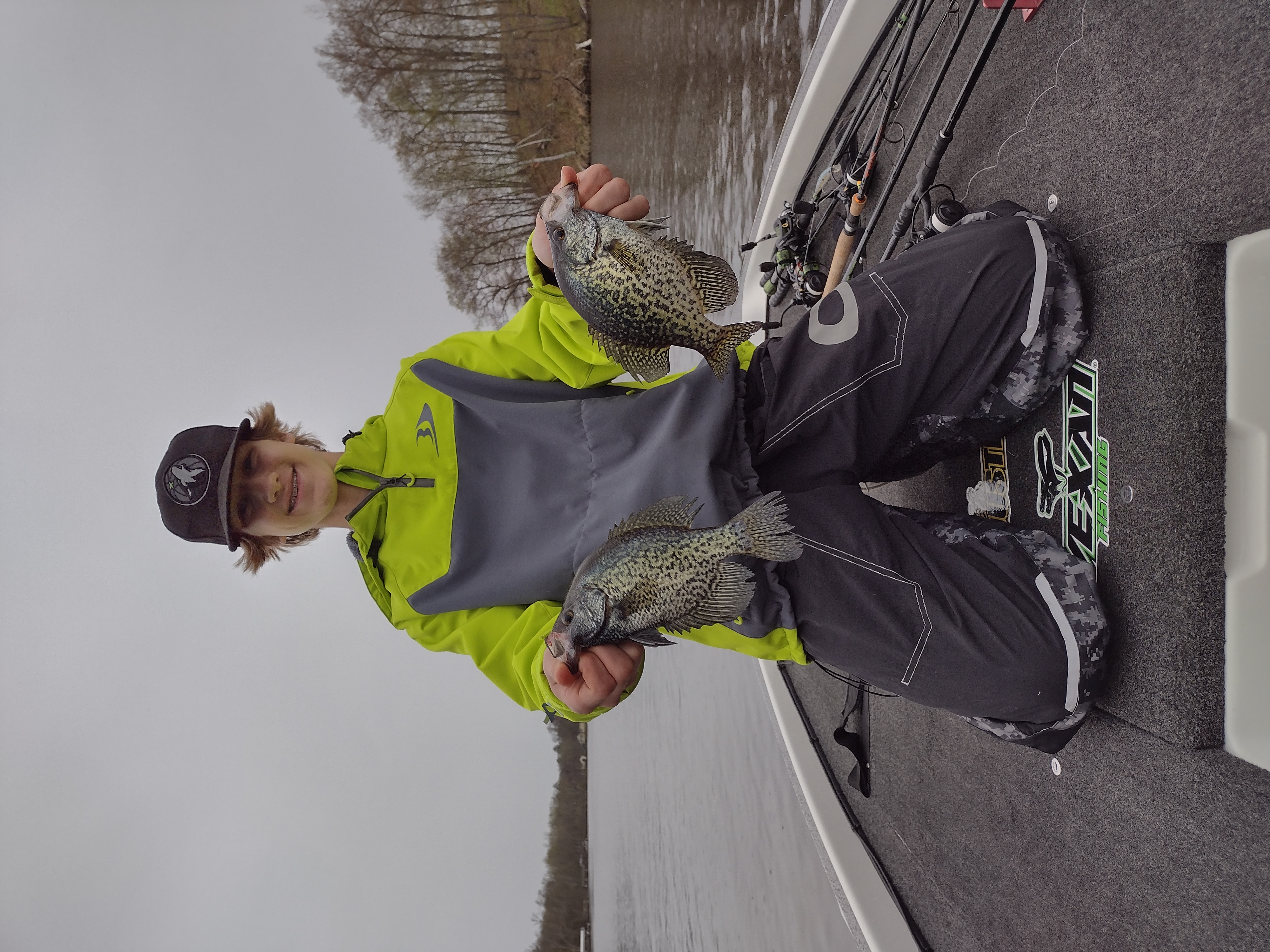
May is one of the best months of the year for spring crappie fishing on metro lakes. As water temperatures climb into the upper 50s and 60s, crappies move shallow to spawn, making them accessible and aggressive for anglers who know where to look.
Where to Find Crappies in May
On metro-area lakes, crappies typically stage and spawn in 2–6 feet of water. Focus on:
- Shallow bays and pockets protected from wind
- Reed beds, bulrushes, and pencil reeds
- Shoreline brush, fallen trees, and docks
- Dark-bottom areas that warm quickly
Early and late in the day, crappies often slide even tighter to cover, while mid-day fish may hold just outside spawning areas.
Best Spring Crappie Presentations
In May, slow and subtle presentations are key:
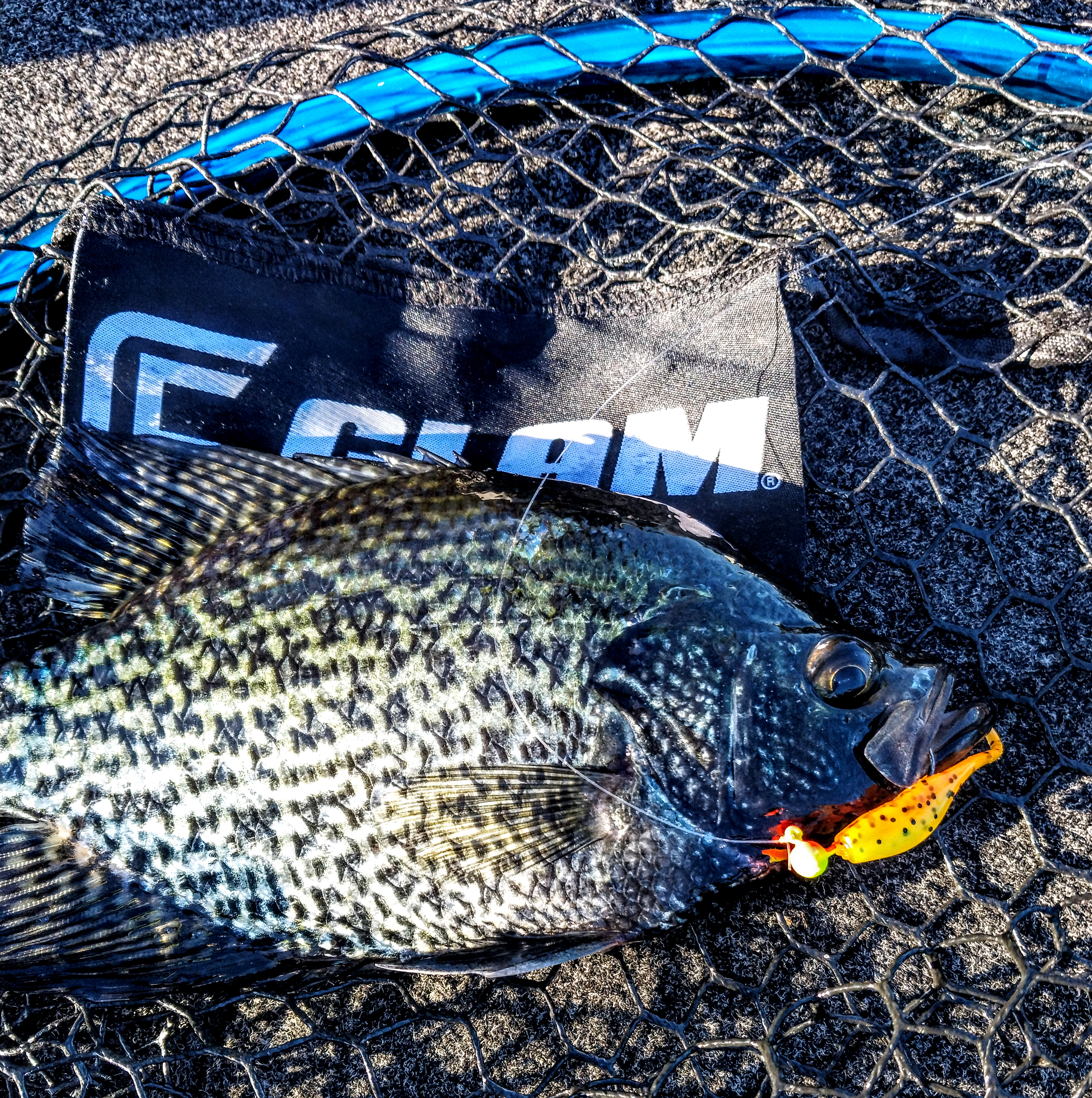
- Small jigs (1/32–1/16 oz) with soft plastics
- Live minnows under a slip float
- Vertical jigging along cover from a boat
Keep your jig just above the fish—crappies feed upward, especially in shallow water.
Boat Positioning and Stealth
Metro lakes see heavy fishing pressure in spring. Keep noise to a minimum, use your trolling motor on low, and make long casts when possible. Precise boat control often makes the difference between a good day and a great one.
Why May Is Prime Time
Stable weather, predictable fish movement, and shallow water combine to make May ideal for both beginners and experienced anglers. With the right tactics, limits can come quickly on metro lakes.
If you’re looking to shorten the learning curve, guided spring crappie trips offer the fastest way to dial in seasonal patterns and put more fish in the boat.
-
Spring crappie fishing on metro-area lakes can be outstanding if you’re using the right soft plastics. As water temps rise and crappies slide into shallow bays, canals, and weed edges, subtle presentations and natural profiles consistently outproduce everything else. For clients fishing with me on metro lakes in spring, three soft plastic styles dominate: paddle tails, baby shads, and tubes.
Paddle Tail Soft Plastics
Small paddle tail plastics are deadly during spring because they provide action at slow speeds. In cold to mid-40s water temperatures, crappies want a bait that moves without being overworked. A 1.5–2 inch paddle tail rigged on a light jig head creates just enough thump to trigger bites when fish are staging along emerging weeds or suspended near docks.
Best colors: white, pearl, chartreuse, and natural shad
Best retrieves: slow swim or steady glide through coverBaby Shad Plastics
Baby shad-style soft plastics are a staple for spring crappie fishing on pressured metro lakes. Their slim profile closely matches young-of-the-year baitfish and insects crappies feed on early in the season. These plastics excel when fish are neutral or lightly negative, especially in clear water conditions.
Best rigging: cast and slow retrieve or slow pendulum swing under a float
Where they shine: weed edges, falllen timber, and basin transitionsTube Jigs for Spring Crappies
Tube jigs remain one of the most versatile soft plastics for spring crappie fishing. Their hollow body and subtle tentacle movement make them perfect for cold fronts and finicky fish. Tubes are especially effective when pitched into shallow cover like reeds, brush, or boat slips.
Ideal sizes: 1–1.75 inches
Top colors: black/chartreuse, pink/white, glowFinal Thoughts
Matching soft plastics to spring crappie behavior is key to consistent success on metro lakes. Paddle tails cover water, baby shads shine in finesse situations, and tubes catch fish when nothing else will. If you want to shorten the learning curve and stay on active crappies all spring long, fishing these soft plastics the right way makes all the difference.
Looking to dial in your spring crappie bite? Book a guided trip and fish proven metro-lake patterns from ice-out through post-spawn.
-
Minnesota Crappie Fishing: Hair Jigs for Crappies
Feb 22, 2026
Spring crappie fishing on metro-area lakes really hits its stride in May, and one of the most effective presentations during this window is the hair jig. When water temperatures stabilize and crappies slide shallow to feed and stage near spawning areas, hair jigs consistently outproduce plastics—especially on pressured metro waters.
Why Hair Jigs Excel in May
Hair jigs shine in spring because of their natural movement. Unlike soft plastics, marabou and craft hair breathe and pulse even when the jig is sitting still. In May, crappies often prefer a slow, subtle presentation, and hair jigs allow you to keep the bait in the strike zone longer without killing its action.
On clear or moderately stained metro lakes, this finesse profile is often the difference between getting follows and getting bites.
Best Hair Jig Sizes and Colors
For spring crappies, 1/32 oz to 1/16 oz hair jigs are ideal. Lighter jigs fall slower, which is key when fish are suspended or cruising shallow flats.
Top-producing colors for metro lakes in May include:
- Black
- Olive
- Black & chartreuse
- Natural brown
- White (in clear water)
When fishing pressured lakes, muted and natural tones usually outperform loud colors.
How to Fish Hair Jigs for Spring Crappies
The most effective approach is a slow vertical presentation. Position your boat over shallow weed edges, emerging cabbage, docks, or wood in 4–10 feet of water. Drop the jig and hold it as still as possible, adding tiny rod-tip shakes to activate the hair.
Hair jigs are also deadly when slow-trolled or drifted under a float, especially during calm mornings and evenings when crappies roam.
Why Hair Jigs Work on Metro Lakes
Metro crappies see a lot of pressure. Hair jigs offer a smaller, more realistic profile that matches early-season forage like insect larvae and tiny minnows. That natural look often triggers bites from larger, more cautious fish.
Final Thoughts
If you’re targeting spring crappies on metro lakes in May, hair jigs should be a staple in your tackle box. Their subtle action, versatility, and effectiveness on pressured waters make them one of the best tools for consistent success.
For anglers looking to shorten the learning curve and stay on fish all spring, a guided trip can make all the difference.