-
Spring Crappie Fishing in Minnesota: A Local Guide’s Playbook
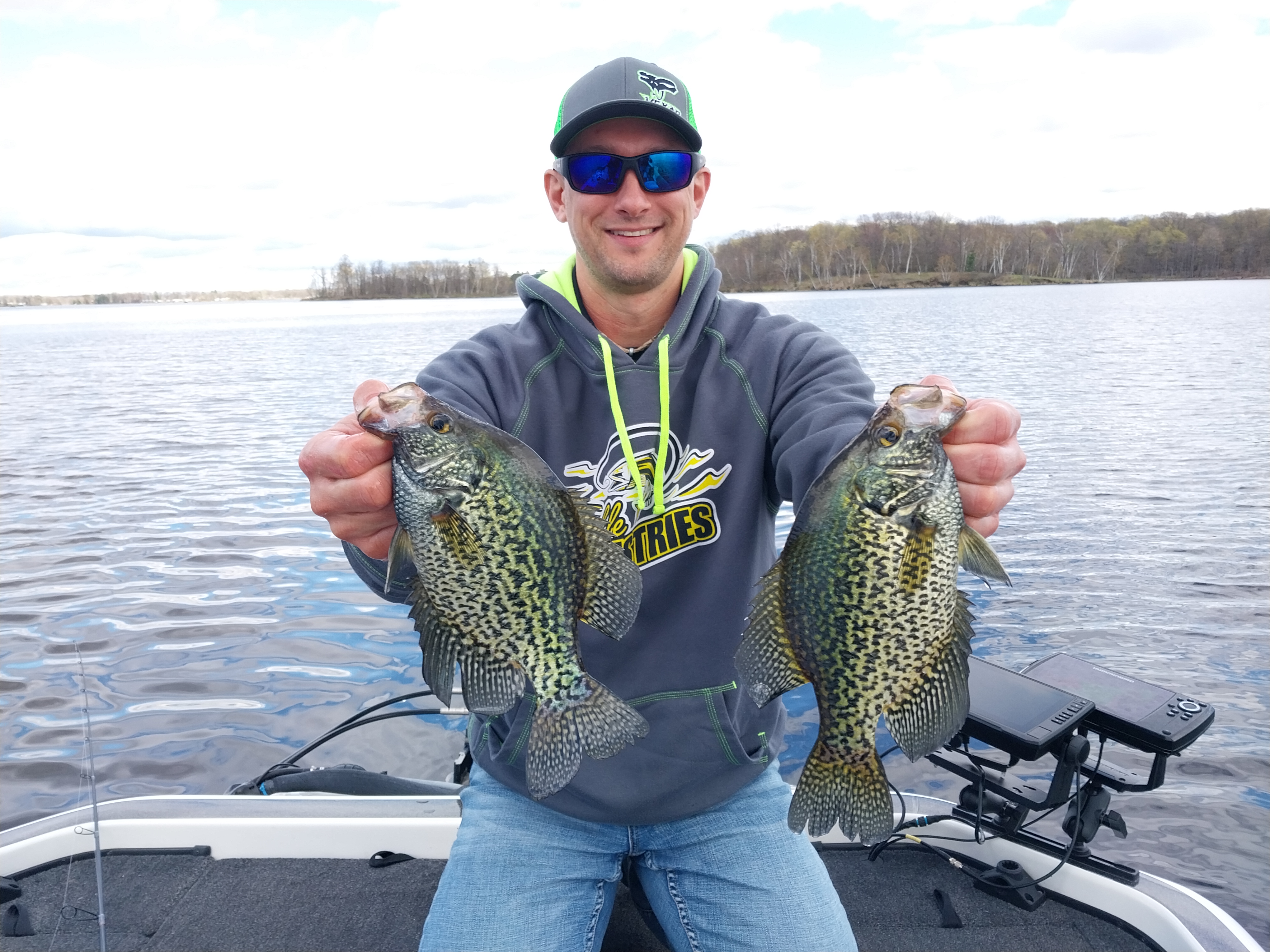
If there’s one thing Minnesotans can agree on after ice-out, it’s this: spring crappie season is sacred. The snow finally melts, the lakes wake up, and panfish anglers across the state dust off the long rods for some of the best fishing of the year.
Crappies are predictable in spring—if you know what to look for. This playbook breaks down where to find them, how to catch them, and how to fish like a local, whether you’re on a tiny metro pond or a sprawling northern lake.
Why Spring Is Prime Time for Crappies
Crappies are cold-blooded and comfort-driven. As soon as ice leaves the lake, they begin a slow migration from winter basins toward shallow spawning areas. That movement creates concentrated fish in easy-to-reach water, which is why spring is such a confidence booster—even for newer anglers.
Key reasons spring is special:
- Fish are grouped up
- Shallow water means simple presentations
- Crappies are aggressive and forgiving
- You don’t need fancy electronics to catch them
In Minnesota, this window typically opens late April through May, depending on latitude and weather.
Where to Find Spring Crappies (Minnesota Style)
1. The First Stop: Shallow Bays
Right after ice-out, crappies slide into north-facing bays first. These areas warm up faster and attract plankton, minnows, and insects.
Look for:
- Mud bottoms (they warm fastest)
- Dark water
- Protected areas out of the wind
Depths can be shockingly shallow—2 to 6 feet isn’t uncommon early.
2. Cover Is King
Crappies love something overhead. In spring, that usually means:
- Emerging weeds
- Old cattails and reeds
- Fallen trees and brush
- Docks and boat lifts (especially at night)
If it breaks the surface or creates shade, check it.
3. The Pre-Spawn Sweet Spot
As water temps climb into the 50–60°F range, crappies stage near spawning flats:
- Outside edges of reed beds
- Transitions from mud to sand
- Subtle drop-offs near shallow water
They’ll slide in and out throughout the day, so don’t be afraid to move.
The Local Tackle Box: Keep It Simple
Minnesota spring crappie fishing is about finesse—not flash.
Rod & Line
- 6–7 ft light or ultralight rod. My go to is the Vexan Walleye 7'4 ML or 7' ML. Use discount code muskygeek15 for a discount at vexan.com.
- 4–6 lb mono or light braid with a mono leader
Go-To Presentations
1. Slip Bobber + Jig: The gold standard.
- 1/32 to 1/16 oz jig
- Set bobber so the jig rides just above the fish
- Adjust constantly until you dial them in
2. Small Plastics
- Tube jigs
- Paddle tails
- Baby shad bodies
- Hair jigs and marabou jigs
Colors to start with:
- Black
- Chartreuse
- White
- Pink (don’t laugh—it works)
3. Minnows (Early Season)
When the water is cold and fish are finicky, a small fathead minnow can save the day.
Timing Like a Local
Crappies bite all day in spring, but locals know the magic windows:
- Late afternoon into dusk is often best
- Calm, sunny days warm shallow water fast
- After a cold front, fish deeper and slow down
If the water feels warm on your hand, you’re in the right neighborhood.
Minnesota Ethics: Keep It Fun, Keep It Sustainable
Spring crappies are extremely vulnerable:
- Keep a modest meal, not a limit
- Release larger females full of eggs (anything over 12 inches)
- Big females keep genetics in the lake
- Handle fish gently in shallow water
A healthy crappie population means great fishing for years to come.
Final Thoughts: Trust the Process
Spring crappie fishing in Minnesota isn’t about luck—it’s about paying attention. Water temperature, sunlight, cover, and patience matter more than expensive gear.
If you’re not getting bites:
- Move shallower
- Slow down
- Change depth before changing spots
And when that bobber slides under for the tenth time in an hour? That’s when you remember why winter was worth surviving.
Tight lines 🎣
-
Winter Blues: Off Season Maintenance and Prep
Jan 23, 2026
Winter Musky Fishing Gear Maintenance and Prep
Winter in Minnesota may shut down open-water musky fishing, but it’s one of the most important seasons for serious anglers. The long offseason is the perfect time to maintain, upgrade, and prepare musky fishing gear so everything performs flawlessly when the season opens. Anglers who take winter gear prep seriously consistently start the year ahead of the curve.
This guide covers essential musky fishing gear maintenance tips for the Minnesota off-season—helping you protect your investment, avoid mid-season failures, and be fully prepared for opening day.
Why Winter Gear Prep Matters for Musky Anglers
Musky fishing gear takes abuse. Heavy lures, powerful fish, and long days on the water put extreme stress on rods, reels, line, and terminal tackle. Ignoring maintenance until spring often leads to lost fish, broken gear, and wasted time during peak season.
Minnesota’s winter months provide the ideal opportunity to:
- Inspect gear thoroughly
- Make repairs or upgrades
- Organize tackle efficiently
- Prepare mentally and strategically for the upcoming season
For guided trips, proper gear prep is non-negotiable—but recreational anglers benefit just as much.
Reel Maintenance for Musky Fishing
Musky reels endure heavy loads and constant torque. Winter is the best time to service them properly.
Key reel maintenance steps include:
- Cleaning dirt and debris from frames and components
- Inspecting gears for wear or grinding
- Lubricating bearings and moving parts
- Checking drag systems for smooth operation
Anglers uncomfortable with full reel tear-downs should at least clean and oil external components—or send reels to a professional service before spring demand spikes.
Rod Inspection and Care
Musky rods often suffer damage that goes unnoticed during the season. Winter inspection helps prevent unexpected failures.
Check rods for:
- Cracked or loose guides
- Frayed guide inserts
- Handle wear or reel seat issues
- Blank damage near ferrules or stress points
Even small guide imperfections can weaken line and cost fish. Addressing these issues during the off-season ensures confidence on the water. If you're in need of a new rod, check out the full line of rods at Tackle Industries and use my discount code muskygeek15 for a discount!
Line Replacement and Leader Prep
Fishing line degrades over time, especially after a long season of casting heavy baits. Winter is the ideal time to re-spool reels and prepare leaders.
Best practices include:
- Replacing braided line annually or as needed
- Inspecting backing and knots
- Building or replacing leaders with fresh components
- Organizing leaders by length, strength, and lure type
Starting the season with fresh line and dependable leaders eliminates preventable failures during critical moments.
Musky Lure Maintenance and Organization
Minnesota winters are perfect for tackling lure maintenance projects that get ignored during the season.
Offseason lure prep should include:
- Sharpening or replacing hooks
- Replacing split rings
- Repairing soft plastics
- Touching up chipped paint or skirts
This is also a great time to organize tackle boxes by lure category or season, making on-the-water decisions faster and more efficient.
Boat and Electronics Prep
While boats may be winterized, anglers can still prepare accessories and electronics.
Consider:
- Updating mapping and sonar software
- Inspecting transducer mounts
- Checking batteries and chargers
- Organizing safety gear and storage
For guided operations, winter prep ensures a smooth, professional experience from the first trip of the season.
Mental Prep and Strategy Planning
Winter isn’t just about physical gear—it’s also the best time to review notes, study lake maps, and reflect on past seasons.
Productive off-season habits include:
- Reviewing successful spots and patterns
- Identifying areas to explore next season
- Studying seasonal transitions and forage movements
Many musky guides use winter to refine strategies so clients benefit immediately once the season opens.
Final Thoughts on Winter Musky Gear Prep
Musky fishing success starts long before the first cast of the season. Taking advantage of Minnesota’s winter off-season to maintain and prepare gear leads to fewer problems, more confidence, and better results when it matters most.
Whether you fish a handful of days each year or chase muskies obsessively, winter gear prep is one of the smartest investments you can make in your success—and one that pays dividends all season long.
-
Wild September
Sep 19, 2025
When it comes to weather, what a wild and unpredictable September we are having in the Minneapolis metro area! It started out with a massive cold front that brought lows in the low 40s and highs around 60. The water tempurature dropped about 8 degrees in a matter of 2 days, that really killed the bite. Then it went back highs in the high 80s and the water temp spiked back up to the mid 70s. The fish don't know what to do right now, there are still bite opportunities, but it isn't easy. They are very weather dependant right now. On the plus side, I think this early fall "reset" might help extend the shallow water bite into October. With higher than normal tempuratures in the forecast, the water temp should stabilize and help set things up for a more consistant bite.
-
Fall Transition
Sep 11, 2025
We are approaching the fall transition time where the days are shorter and the water tempuratures are on the downward trend. This time of year is always some of the best fishing of the whole year for me, especially when we're talking about consistent action, and a lot of action. The fish are migrating to shallow sand and shallow weed flats, making this prime topwater and bucktail season. We just came off an extreme cold front where the water temp dropped 7 degrees in the matter of 2 days, which really shut the fishes mood down. after the initial cold front passed and things start to stabilize, we're finding an active fish or two per trip. With warmer temps in the forecast, I look for the fish to bounce back and get active again. Over the next few days fishing should balance out and pick up.
-
BLADE BITE!!!
Aug 19, 2025
One common thing recently is that the bucktail bite has been on fire the whole month of August! Blade size or shape hasn't really mattered, however, I'm a big fan of #8 blades. I like the smaller blades because you can reel them incredibly fast, which is how the muskies have wanted it these last couple of weeks. Another benefit to the #8 blades is that it is much less strain on your body, it can flat out hurt when you're cranking these bucktails at mach speed. It doesn't take long to feel the fatigue in your arms and elbows, and your hands start to cramp. My favorite rod for throwing this size bucktail is the Tackle Industries 10 foot medium heavy. It's very forgiving on your body when it's time to figure 8, and it has a soft enough blank to keep fish pinned when they are on a short line, but plenty of backbone where it counts!