-
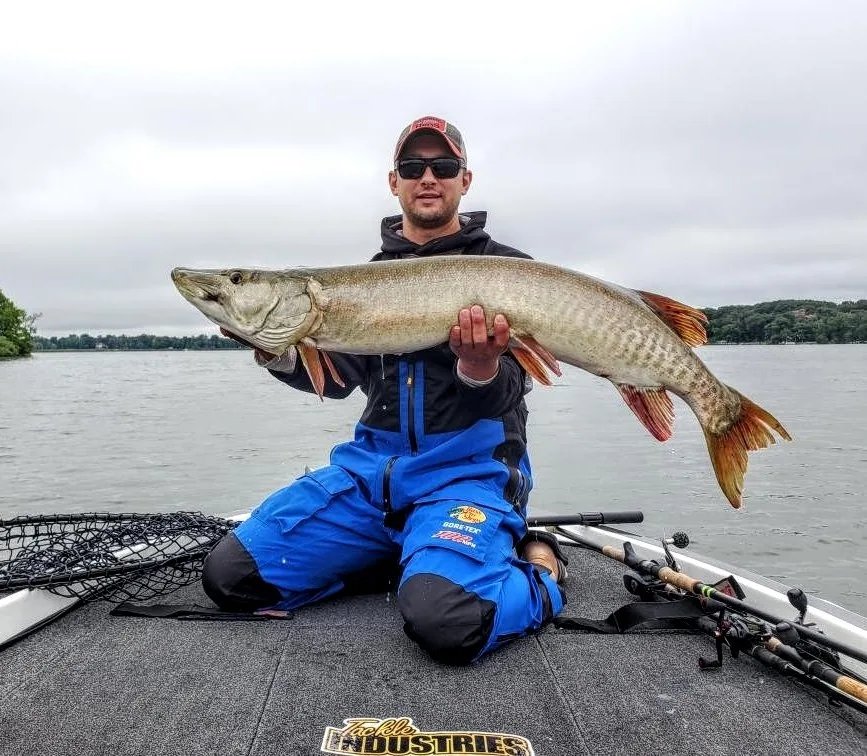
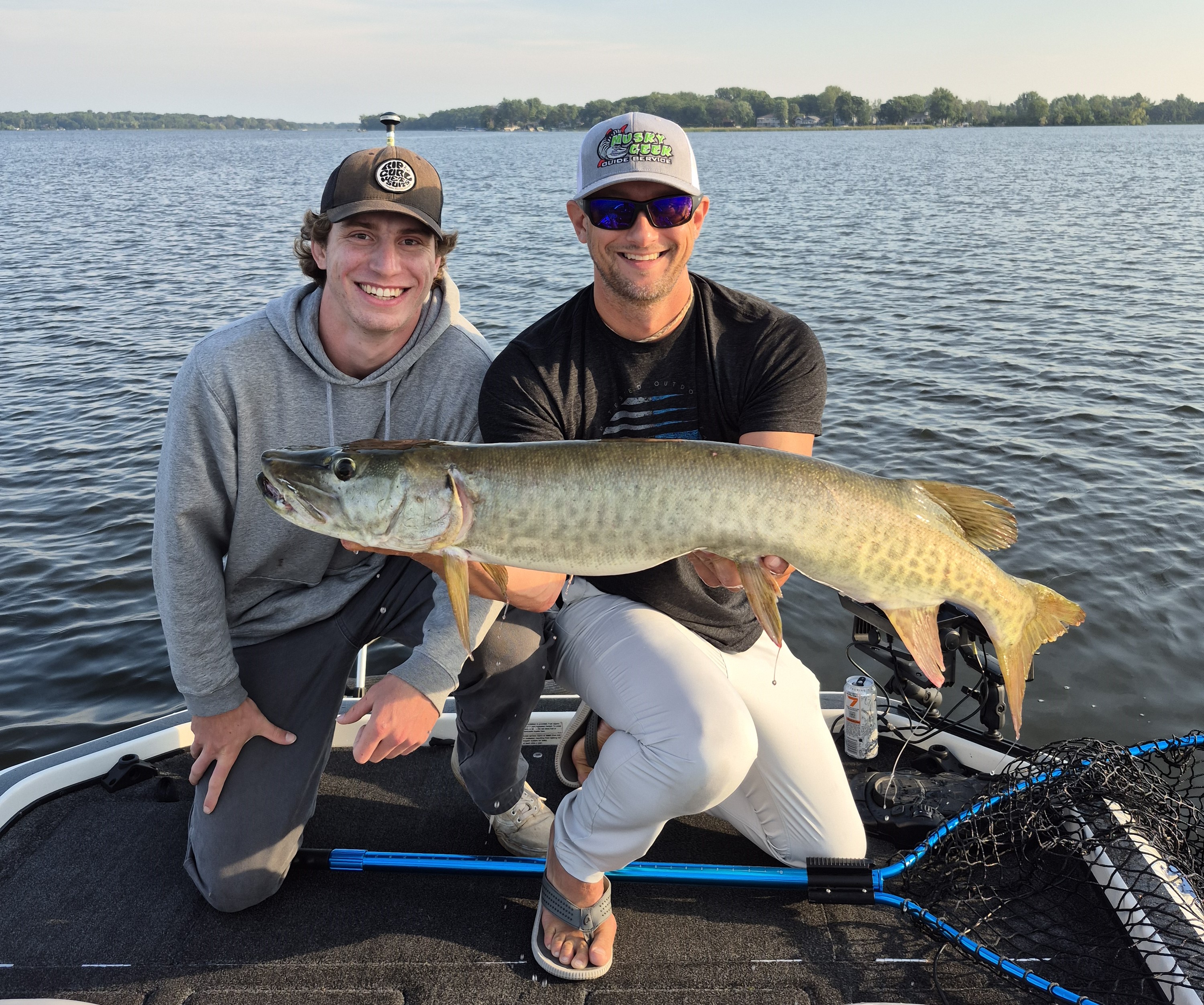
Late August is when things start to change for Minnesota muskies. As water temperatures begin to stabilize and the season starts its transition toward fall, muskies can become much more active around shallow weedlines, flats, points, and other high-percentage feeding areas. This is one of my favorite times of the year to be on the water.
The key is being there when the fish are ready to move. Muskies don't always follow a calendar, and conditions can change quickly. A stretch of cooler nights, changing weed conditions, or a shift in baitfish location can completely change where I expect to find fish. And that means late-August dates can disappear quickly.
If you've been thinking about booking a Minnesota musky trip this year, now is the time to get on the calendar. September is prime musky season, and the best dates don't stay open forever.
Want to know when conditions change and where I'm finding fish? Join my email list. I share fishing updates, seasonal patterns, upcoming trips, and information I don't always put on social media.
👉 Book your musky trip now: Twin Cities Guided Musky Trips
👉 Join the Musky Geek email list: Free Musky Geek Insider
The shallow-water movement is coming. Don't wait until the fish are going before you start looking for a date.
-
Bucktails catch muskies everywhere in Minnesota. Whether you're fishing the Twin Cities metro, Mille Lacs, Leech Lake, Vermilion, or one of the other lakes across the state, chances are a bucktail spends more time in the water than any other lure. But many anglers spend hundreds of dollars on premium bucktails while throwing them on the wrong rod. As a full-time Minnesota musky guide, I've watched anglers instantly cast farther, retrieve more comfortably, and perform dramatically better figure 8s simply by switching to the proper rod. If you're looking for one rod specifically designed to throw bucktails all day, here's exactly what I recommend.
Why Bucktails Require a Specialized Musky Rod
Bucktails may not be the heaviest lure in your tackle box, but they're one of the most physically demanding.
Large double-bladed bucktails create:
- Constant resistance
- Continuous rod loading
- Thousands of casts during a day
- High-speed retrieves
- Critical boatside figure 8 opportunities
The wrong rod creates fatigue. The right rod actually makes fishing easier.
The Ideal Musky Rod Specifications
After years of guiding Minnesota waters, here's the sweet spot.
Length:
9'6" to 10'0"
Longer rods:
- Cast farther
- Pick up more line
- Make smoother figure 8s
- Keep fish pinned better
Every extra inch helps when a giant musky follows to the boat.
Power
For #7's up to #9's I love a Med-Heavy power, you have great control in your figure 8 and there's just enough flex to keep those angry fish pinned when they eat at your feet. With a Med-Heavy, you can effortlesly cast any medium sized bucktail a long ways. For bigger blades, anything #9 and bigger, I prefer an Extra Heavy. Lots of power for bigger hooks, great boatside control and still soft enough to handle those intense boatside battles.
Why I Recommend Tackle Industries Rods
If you're searching for the best value in musky rods but want the performance of a high end premium rod, Tackle Industries continues to impress!
What stands out:
- Incredible casting distance
- Lightweight feel
- Excellent balance
- Plenty of backbone
- Comfortable all-day fishing
- Outstanding figure 8 performance
Most importantly, they fish well above their price point.
Instead of paying premium prices for a custom rod, anglers can purchase a professional-quality rod while saving money for reels, line, and more tackle.
SHOP TACKLE INDUSTRIES RODS HERE:
Tackle Industries Pro Series 9'6 MH
Tackle Industries Pro Series 9'6 XH
Pairing the Right Reel
A quality rod deserves a quality reel.
Look for:
- High-speed retrieve (6.3:1 or faster)
- Strong drag
- Large line capacity
- Comfortable power handle
The faster you retrieve bucktails, the easier it becomes to trigger reaction strikes.
Best Line Setup
For Minnesota bucktail fishing I recommend:
- 80-pound braided line
- 7" Single strand wire leader
- Heavy-duty split rings
- Premium snaps
This combination handles nearly every musky you'll encounter.
Why Longer Rods Catch More Fish
Many anglers think longer rods simply cast farther. That's true. But the biggest advantage happens boatside.
Long rods create:
- Larger figure 8s
- Wider turns
- Better lure speed
- More control
- More room to keep fish engaged
Some of the biggest muskies I guide clients into never strike until the eighth or ninth turn. The right rod keeps those fish interested.
Common Mistakes When Buying a Bucktail Rod
Buying too short, 7'6" rods are becoming outdated for serious musky anglers, long rods simply perform better. Buying too soft, bucktails load rods constantly, a softer rod quickly becomes exhausting. Buying only by price, expensive doesn't always mean better, rod balance and fishability matter far more than flashy cosmetics.
Ready to Learn Bucktail Fishing?
Equipment helps. Experience catches fish. If you'd like to learn where to fish, when to fish, boat positioning, retrieve speed, triggering follows, and mastering the figure 8, book a guided musky trip. You'll spend an entire day learning techniques that often take anglers years to discover on their own.
Book A Minnesota Musky Guide Trip
-
The Benefits of a Short Musky Leader (And Why Many Guides Prefer Them)
When it comes to musky fishing, leader choice is often overlooked or treated as an afterthought. Most anglers focus on rod power, reel size, and lure selection—but leader length can have a major impact on lure performance, hook-up ratios, and boatside success. In recent years, many experienced musky anglers and guides have shifted toward using shorter musky leaders, and for good reason.
This article breaks down the benefits of a short musky leader, when it excels, and why it has become a preferred setup for many serious musky fishermen.
What Is Considered a Short Musky Leader?
In musky fishing, a short leader typically measures 6 to 9 inches from snap to line tie. This is shorter than traditional leaders that often range from 12 to 18 inches or longer.
Short leaders are most commonly used with:
- Bucktails
- Spinnerbaits
- Topwater lures
- Glide baits
- Shallow-running crankbaits
While not ideal for every situation, short leaders offer several performance advantages that become obvious once you fish them consistently.
Improved Lure Action and Balance
One of the biggest benefits of a short musky leader is better lure action. Long, heavy leaders can dampen movement—especially with smaller bucktails, gliders, and topwaters.
Short leaders:
- Allow bucktails to spin more freely
- Improve side-to-side action on glide baits
- Prevent nose-heavy balance issues
- Reduce drag on topwater lures
When a lure moves more naturally, it triggers more reaction strikes—especially from pressured or neutral fish.
Better Boatside Control and Figure-8 Performance
Boatside success is critical in musky fishing, and leader length plays a bigger role than most anglers realize.
Short musky leaders offer:
- Cleaner turns during figure-8s, especially with bucktails
- More precise depth control
- Less “hinge effect” between lure and main line
- Improved responsiveness when accelerating through turns
Many guides prefer short leaders specifically because they allow tighter, smoother boatside maneuvers—where a high percentage of musky strikes occur.
Increased Sensitivity and Hook-Setting Efficiency
Short leaders reduce slack and flex between your main line and the lure. This creates a more direct connection that improves both sensitivity and hook-setting power.
Benefits include:
- Better feel on blades and vibration baits
- Faster hook penetration on strikes
- Less energy lost during hooksets
This is especially noticeable when fishing bucktails at speed or working gliders with rod input.
Reduced Fouling and Line Wrap Issues
Long leaders are more prone to:
- Wrapping around split rings
- Catching hooks on turns
- Kinking during aggressive retrieves
Short leaders minimize these issues, leading to fewer fouled casts and more time with a bait running correctly—something guides value when efficiency matters.
Stealth and Visibility Advantages
In clear water or heavily pressured fisheries, less hardware can be a good thing.
Short leaders:
- Reduce visible wire or fluorocarbon
- Keep snaps farther from the bait’s body
- Present a cleaner profile to following fish
While muskies are not leader-shy in the traditional sense, small presentation refinements can matter—especially on lakes with high angling pressure.
When a Short Musky Leader Is Not the Best Choice
Despite their advantages, short leaders aren’t perfect for every application.
Longer leaders are still preferred when:
- Fishing large rubber baits
- Working deep-diving crankbaits
- Targeting fish that frequently roll on the bait
- Using leaders as abrasion protection against rocks
Most experienced anglers carry both short and long leaders and switch based on lure type and conditions.
Why Many Musky Guides Favor Short Leaders
Musky guides prioritize consistency, efficiency, and boatside conversions. Short leaders support all three.
From a guide’s perspective, short leaders:
- Improve lure performance across common baits
- Increase figure-8 success
- Reduce gear-related issues during trips
- Help clients feel and react to strikes more effectively
When every follow matters, small setup advantages add up quickly.
Final Thoughts on Short Musky Leaders
A short musky leader isn’t a gimmick—it’s a refined tool that enhances lure action, improves boatside control, and increases efficiency on the water. While longer leaders still have their place, many anglers are surprised at how much confidence and control short leaders provide once they commit to using them.
If you’re looking to fine-tune your musky fishing setup and convert more follows into strikes, experimenting with shorter leaders is a smart place to start.🎣
-
Minnesota Musky Lake Study: How to Find Musky Spots Before the Season Starts
Successful musky fishing in Minnesota doesn’t start on opening day—it starts months earlier. While the lakes are still frozen, experienced musky guides are already breaking down maps, reviewing past data, and identifying high-percentage areas long before the first cast of the season.
This preseason lake study process is one of the biggest differences between anglers who hope to find muskies and those who consistently contact them. In this article, we’ll break down how Minnesota musky guides study lakes before the season starts, what to look for, and how this preparation leads to more fish once the ice is gone.
Why Preseason Lake Study Is Critical for Minnesota Musky Fishing
Minnesota’s musky season is limited, and early-season opportunities can be some of the best of the year. Fish are often shallow, predictable, and concentrated—but only if you know where to look.
Preseason lake study allows you to:
- Eliminate unproductive water before the season begins
- Build a milk run of high-percentage spots
- Fish with confidence instead of guessing
- Capitalize on early-season patterns immediately
- Guides rely on this process so clients aren’t “donating casts” during prime windows.
- Start With High-Quality Lake Maps and GPS Data
The foundation of musky lake study begins with detailed mapping.
Focus on:
- Contour maps with tight depth changes
- Side-scan and sonar history (if available)
- Marked weed edges and basins
- Known forage zones
Modern digital maps make it easy to identify structure, but the key is understanding why certain features attract muskies—not just where they are.
Identify Spawning Areas and Early-Season Movement Routes
In Minnesota, musky behavior early in the season is closely tied to spawning and recovery.
During winter lake study, identify:
- Shallow bays with dark bottoms
- Protected areas with minimal current
- Nearby access to deeper water
- Subtle channels leading out of spawning zones
These areas often serve as early-season feeding and staging locations once water temperatures rise.
Break Down Weed Growth Potential Before Ice-Out
Weeds are one of the most important factors in musky location, especially on Minnesota lakes.
Before the season:
- Look for flats that historically grow early weeds
- Identify inside turns and fingers on weed edges
- Note hard-bottom areas mixed with vegetation
Understanding where weeds will grow is just as important as knowing where they were last year.
Focus on Transitions, Not Just Structure
Pressured Minnesota muskies often relate to subtle changes rather than obvious spots.
Key transitions to mark during lake study:
- Weed-to-rock changes
- Sand-to-muck edges
- Hard-bottom patches within weeds
- Depth changes that don’t show clearly on maps
These areas are easy to overlook but frequently hold fish—especially once pressure increases.
Build a Seasonal Milk Run Before the Opener
Don’t wait until opening day to decide where to fish.
During winter:
- Mark primary and secondary spots
- Group locations by season and conditions
- Plan rotation routes to avoid burning spots
This preparation allows efficient decision-making once on the water—adjusting based on weather, pressure, and fish behavior.
Use Past Success (and Failure) as Data
One of the most valuable lake study tools is your own experience.
Ask yourself:
- Where did fish show up early last season?
- Which spots produced follows but no strikes?
- Where did fish appear later than expected?
Keep mental—or written—records that help refine future plans. Every follow is a clue.
Why Guides Have an Early-Season Advantage
When clients step into a guide’s boat, the plan is already built.
A guide brings:
- Preseason research and spot selection
- Understanding of seasonal fish movement
- Confidence in where fish should be
- Efficient use of limited fishing time
This is why guided trips often produce fish early in the season while others are still searching.
Final Thoughts: Preparation Finds Muskies Before the Season Starts
Musky lake study isn’t about memorizing spots—it’s about understanding fish movement, structure, and seasonal behavior. In Minnesota, where time and opportunities are limited, preseason preparation is one of the most powerful tools an angler can use.
The more work you put in before the ice goes out, the fewer casts you waste once the season begins—and the more muskies you’ll contact throughout the year.
-
Wild September
Sep 19, 2025
When it comes to weather, what a wild and unpredictable September we are having in the Minneapolis metro area! It started out with a massive cold front that brought lows in the low 40s and highs around 60. The water tempurature dropped about 8 degrees in a matter of 2 days, that really killed the bite. Then it went back highs in the high 80s and the water temp spiked back up to the mid 70s. The fish don't know what to do right now, there are still bite opportunities, but it isn't easy. They are very weather dependant right now. On the plus side, I think this early fall "reset" might help extend the shallow water bite into October. With higher than normal tempuratures in the forecast, the water temp should stabilize and help set things up for a more consistant bite.